Philippine Communities
Youth & Community Participation
Youth can participate in communities through civic activities, local initiatives, and everyday forms of participation.
Young people are part of the community
Young people are already active members of their communities in many different ways. They are students, workers, volunteers, residents, organizers, and participants. Their experiences and decisions are shaped by the communities in which they live, while their actions can also shape those communities.
Participation can take many forms. Some young people take part in formal and informal organizations or local government, while others volunteer, join school or community initiatives, help organize events, support local causes, or use digital platforms to discuss and address issues that matter to them. Participation does not require holding a position or belonging to a political organization. It can begin with raising awareness of a local problem and deciding to do something about it.
The opportunities available to young people are not necessarily the same everywhere. Access to organizations, information, transportation, technology, time, and supportive adults can influence their ability to participate.
The Sangguniang Kabataan provides a formal avenue
One of the most visible forms of youth participation in the Philippines is the Sangguniang Kabataan (SK). The Sangguniang Kabataan Reform Act of 2015 established a formal avenue for young people to participate in local governance and advocate for youth concerns (Republic of the Philippines, 2016). The framework was later amended by Republic Act No. 11768. SK gives young people opportunities to participate in planning and implementing community programs and to bring youth concerns to local government. Participation is not limited to elected SK councilors; it can also extend to the Katipunan ng Kabataan and other youth organizations and groups.
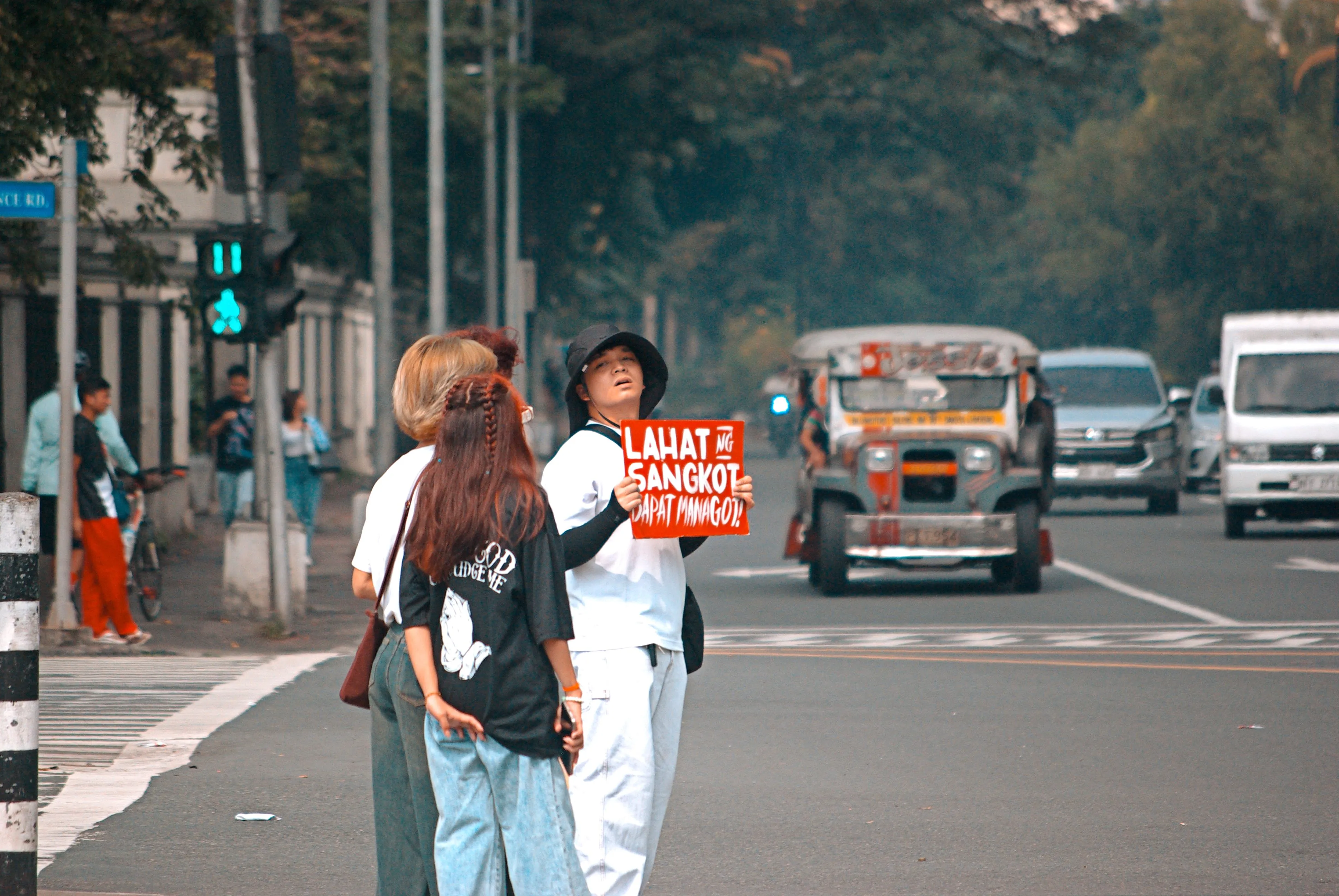
The existence of a formal structure does not guarantee meaningful participation. Research on youth governance in the Philippines identifies challenges involving political structures, influence over decisions, training, resources, and councils’ capacity to turn ideas into effective programs (Flores et al.). The quality of participation matters as much as the existence of a participation mechanism.
Participation is more than holding a position
Youth participation should not be confined to those who hold elected or appointed positions. Communities can benefit when young people have opportunities to volunteer, organize activities, contribute ideas, and raise concerns.
A pilot study of youth in Quezon City found that SK leaders were more engaged in activities such as community service and volunteering than their non-SK counterparts, although the researchers noted that some of this engagement may have been related to the opportunities provided by their positions (Alampay & Angeles).
This matters because a small number of youth leaders cannot represent every aspect of community experience. Young people have varying interests, economic circumstances, educational backgrounds, and responsibilities, making it important to create ways for a broader range of youth to be heard.
Schools can help develop civic participation
Schools are another important setting for youth participation, where students can discuss social issues, community problems, public institutions, and their responsibilities as citizens.
Research with Filipino high school students found that classroom openness was associated with online civic engagement, with digital literacy partially mediating this relationship. Opportunities to discuss issues and develop digital literacy are associated with how students participate in civic spaces online (Lopez Wui et al.).
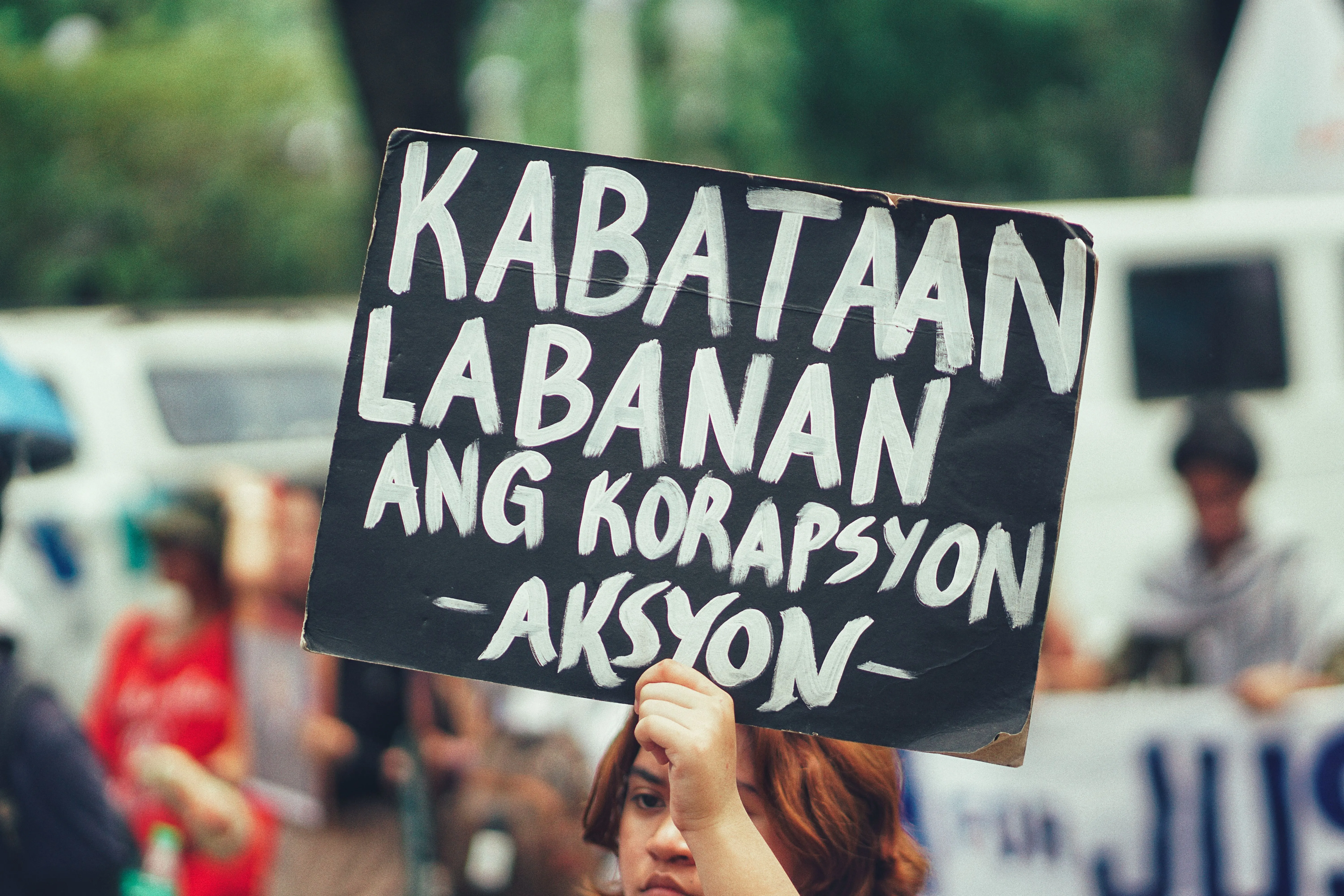
This does not mean schools should dictate political positions. Rather, schools can provide opportunities for students to discuss issues, evaluate information, listen to different perspectives, and participate.
Young people also participate online
Community participation increasingly extends beyond physical spaces. Social media enables young people to share information, discuss social issues, organize activities, and reach people outside their immediate communities.
Research on young Filipino activists has found that social media is an important space for political and civic activity, while also identifying limitations and risks related to digital activism (Agojo et al.). More recent Philippine research has found a relationship between social media use and civic engagement among young Filipinos, although online awareness does not always translate into offline participation (Mesajon et al.).
Digital participation can be valuable, but it does not always lead to sustained community action. Sharing information or expressing support for a cause can raise awareness; organizing volunteers, attending meetings, working with local groups, and taking part in projects can help that awareness take root.
Not every young person has the same opportunity to participate
Opportunities to participate can be limited by practical realities, such as schoolwork, employment, family responsibilities, transportation, internet access, and lack of awareness of available opportunities.
Research on SK participation identifies barriers such as lack of awareness and time constraints (Castillo et al.), while newer research on rural Filipino youth also points to institutional and social barriers that can limit participation in some communities (Taguboc et al.).
Encouraging young people to get involved is not always enough. Communities also have a responsibility to create realistic opportunities for participation, so meetings, consultations, volunteer activities, and youth programs should be accessible enough for young people with different schedules and circumstances to take part.
Young people should be heard, not just included
There is an important difference between inviting young people to participate in a process and enabling them to contribute meaningfully. A youth consultation has limited value if young people are allowed to speak but their concerns are never acted upon.
Research on youth development councils in Iloilo found that youth organizations can use the council as a platform to present concerns, set agendas, and lobby local governments to consider their interests in development planning. The research also emphasizes meaningful implementation of the SK Reform Law and stronger deliberative practices (Adelantar et al.). Meaningful participation goes beyond being present: young people should have opportunities to share concerns, understand decision-making processes, contribute ideas, and receive feedback.
Adults still have an important role
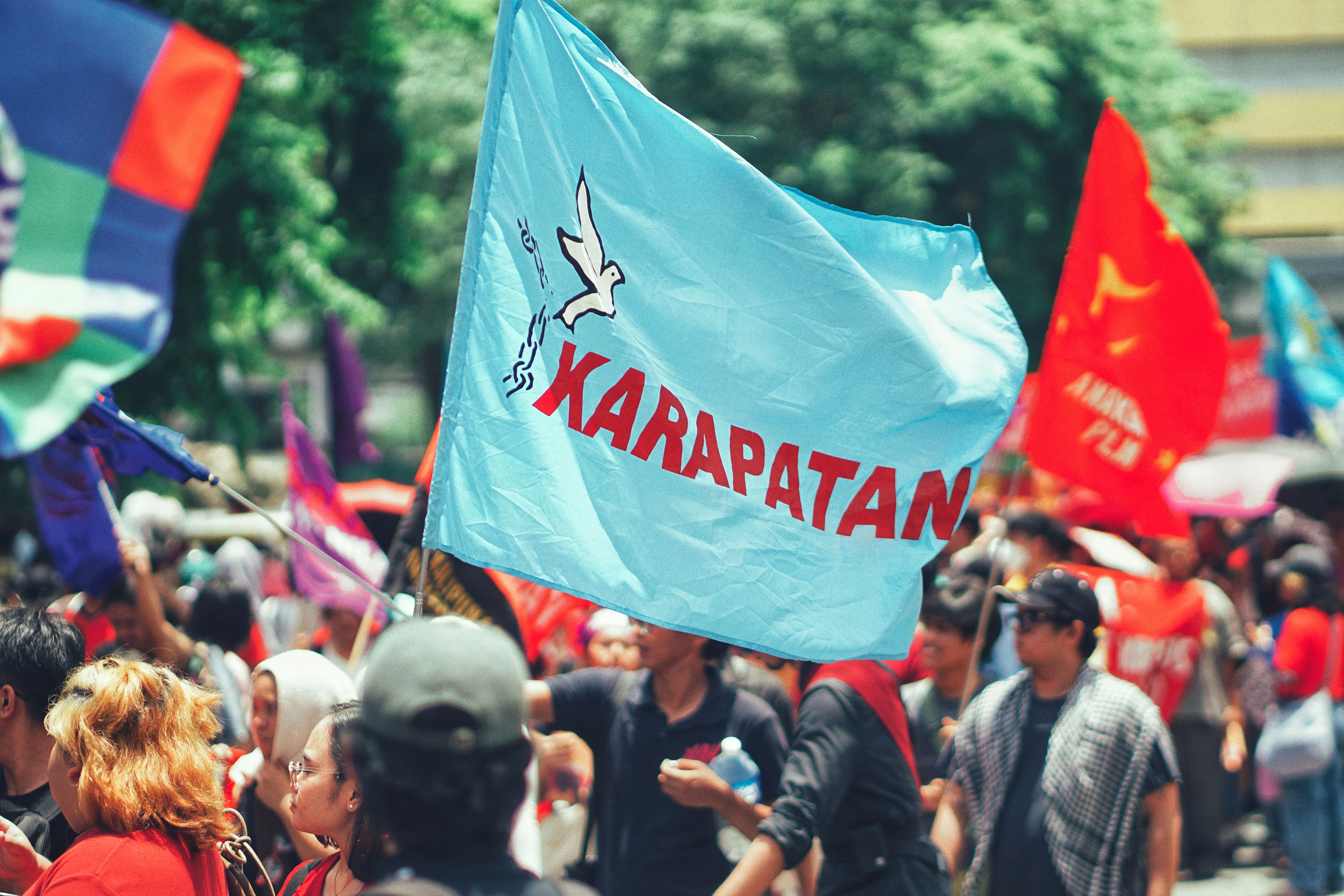
Youth participation does not mean young people should be left to solve community problems by themselves. Local governments, schools, families, community organizations, and other institutions are responsible for creating spaces where young people can participate safely and effectively.
Adults can provide resources, mentorship, technical knowledge, and institutional support while enabling young people to take ownership of projects and decisions. This is especially important for young participants who may be dealing with unfamiliar government processes or complicated community issues.
The aim should not be to replace adult leadership with youth leadership, but to create relationships in which young people are regarded as participants whose perspectives are taken seriously.
Participation can start small
Not all contributions need to be large community projects. A young person can volunteer for a local activity, help organize a school initiative, participate in a youth consultation, report a community problem, support an environmental project, or encourage others to become involved.
Small actions can help young people develop practical skills such as communication, organization, teamwork, problem-solving, and public speaking. These experiences can make participation less intimidating and help young people understand how their communities function.
At the same time, communities should not place the entire responsibility for solving local problems on young people. Youth participation needs the resources and support institutions provide to make it meaningful.
Youth participation strengthens communities
Young people have different experiences and perspectives from other community members, and those perspectives can be valuable when communities make decisions about education, employment, the environment, public spaces, health, technology, and other local concerns.
The challenge is not simply to get young people to participate, but to create conditions where they can participate meaningfully, access information, work with others, and understand how their contributions can affect the community.
Youth participation is therefore not just a matter of preparing young people for future leadership; it is also about recognizing that they are members of their communities now. Communities that enable meaningful youth participation, while providing the support and accountability needed to make it useful, can benefit from the ideas, energy, and experiences of their young people.
Sources
Republic of the Philippines. Republic Act No. 10742: Sangguniang Kabataan Reform Act of 2015.
Republic of the Philippines. Republic Act No. 11768: An Act Strengthening the Sangguniang Kabataan and Amending for the Purpose Certain Sections of Republic Act No. 10742.
Alampay, Erwin Gaspar A., and Lydia E. Angeles. Active Citizenship among the Youth: Differences among Sangguniang Kabataan Leaders and Their Constituents.
Flores, Leon III, Ronald U. Mendoza, Jurel Yap, and John Sid Omega Valencia. Advancing Youth Governance in the Philippines: A Narrative of the Sangguniang Kabataan and its Road to Reform.
Adelantar, C. F. S., S. S. A. C. Alvizo, G. A. G. Lozaida, and B. R. Seva. Framing Deliberative Democracy through the Formation of Iloilo Provincial Youth Development Council.
Lopez Wui, Ma. Glenda, Jessica Sandra R. Claudio, Jie Zhang, Carl Russel R. Reyes, Rosselle Trishia M. Reyes, and Enrique Niño P. Leviste. Role of Classroom Openness in Digital Literacy and Online Civic Engagement Among Filipino High School Students.
Agojo, K. N. M., M. F. Bravo, J. A. C. Reyes, J. A. E. Rodriguez, and A. M. A. Santillan. Activism beyond the Streets: Examining Social Media Usage and Youth Activism in the Philippines.
Mesajon, Joemelyn, Cristamae Canciller, Rommel Gregorio, and Mary Ann Alampay. Social Media Influence on Civic Engagement Among Young Filipinos.
Castillo, Mae Akira Izes, Dylan Carlo Cruz, Josuah Lorenzo Lapaz, Karylle Grace Marcha, John Vincent Padillo, Frinzylle Jewel Vegiga, and Mc Rollyn D. Vallespin. Assessing Demographics, Perceptions, and Participation: A Study on Sangguniang Kabataan Effectiveness and Improvement Suggestions.
Taguboc et al. Rural Filipino Youth Participation in Local Governance: A Systematic Review.