Environment
Waste, Consumption & Sustainability
The impact of the items that people buy, use, and throw away can have lasting effects on the environment.
Waste begins before throwing something away
When people think about waste it is easy to focus on what happens after something ends up in a bin. However waste is deeply connected to a much larger process. Before something becomes waste, materials need to be extracted, processed, manufactured, packaged, transported, purchased, and used. What happens at each stage can have an impact on the environment.
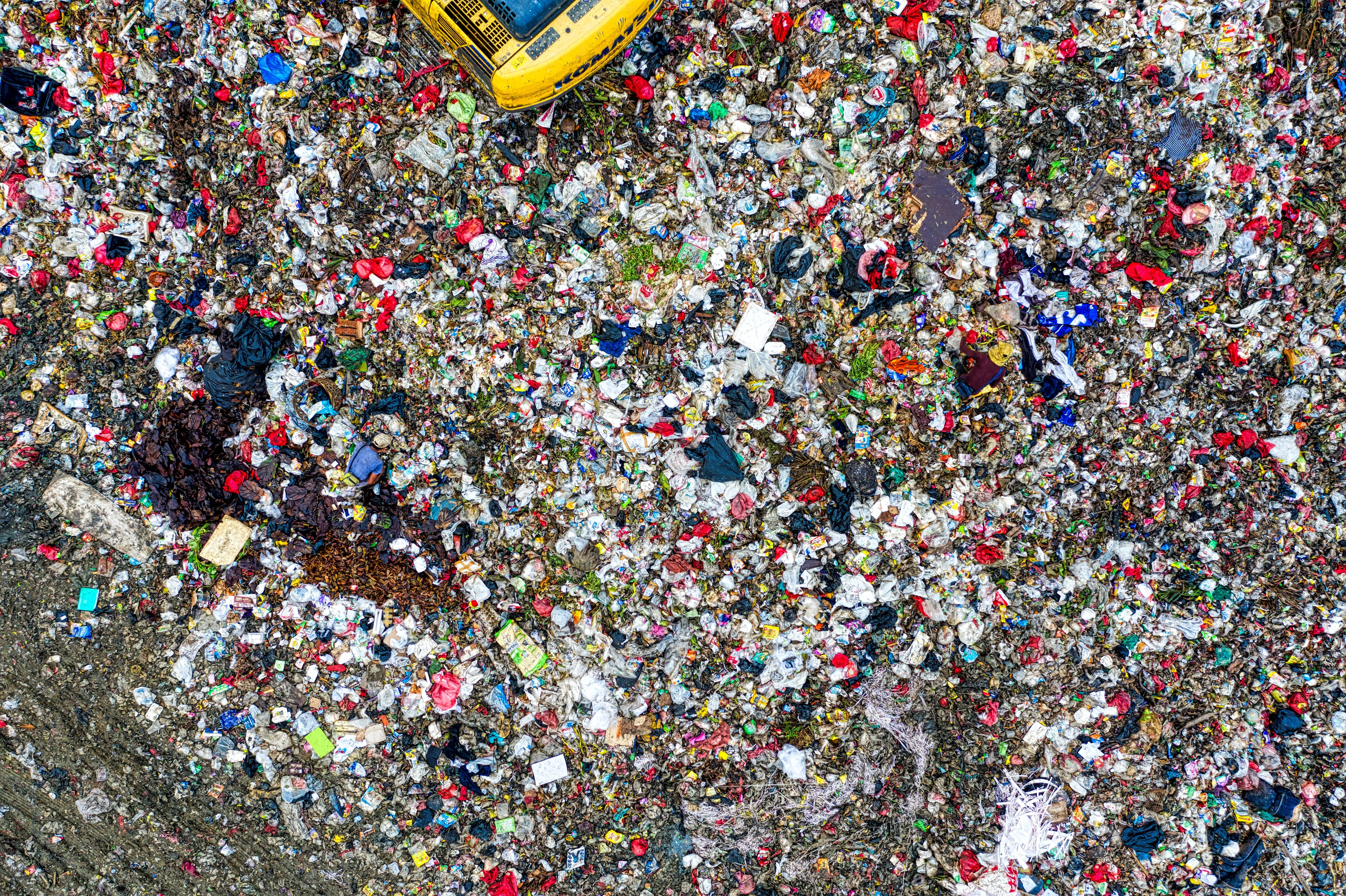
This is part of why sustainability not only considers the right way to dispose of waste, but also the initial use and management of resources. The idea of a circular economy focuses on keeping materials and products in use for as long as possible by implementing approaches such as reducing waste, reusing products, repairing, recycling and recovery of materials instead of simply treating everything as something that will inevitably be thrown away. The Philippine Institute for Development Studies (PIDS) has identified the circular economy as an especially important approach to addressing waste-management issues in the country (PIDS, Circular Economy Pathways, 2024).
In the Philippines this issue stands out as everyday consumption is so closely related with packaging and single-use products. The World Bank’s study on plastics circularity in the Philippines notes the country’s large consumption of plastic packaging, and continuing challenges in relation to plastic production, consumption, and waste-management infrastructure (World Bank, Philippines Plastics Circularity Opportunities Report).
What we buy ends up being part of the waste problem
Consumption does not automatically lead to waste being inevitable. The environmental impact of a product depends on what it is made from, the amount that is used, how long it remains useful, and what happens to it afterwards.
As a starting point, packaging is an example of how products tend to generate waste. Food, drinks, household products, and other everyday goods tend to come with some form of packaging. In the Philippines, small-quantity purchasing, sometimes referred to as the “tingi” system, has become closely associated with the use of small plastic packaging and sachets. Research in Southern Mindanao found food wrappers and labels to be among the most abundant forms of plastic debris across inland, river, coastal, and marine sites, and identified food packaging and sachets as important targets for reducing plastic leakage (Plastic Pollution in Southern Mindanao, 2024).
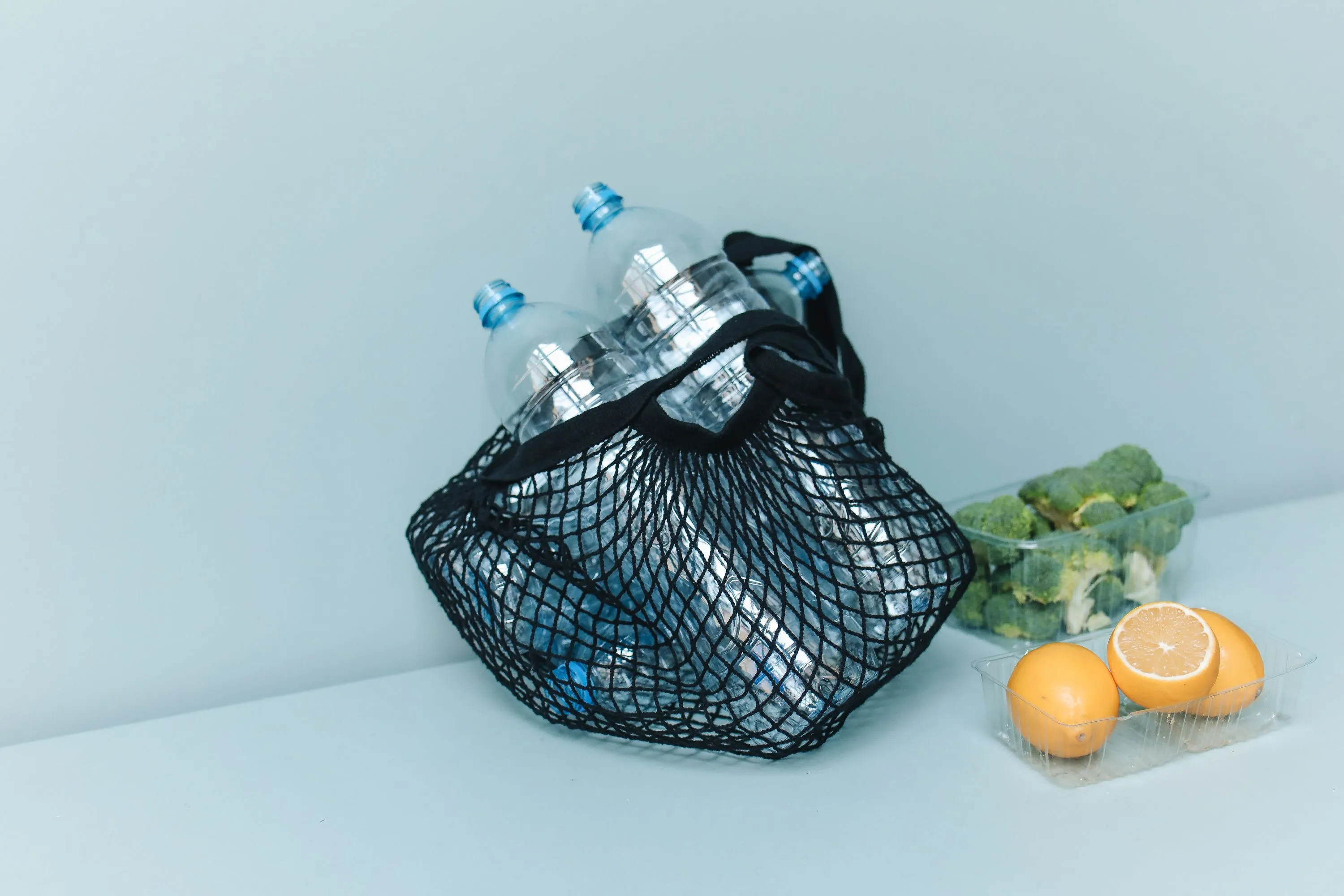
This does not mean that consumers are solely to blame for the problem. The products available to people, how goods are packaged, the price, access to alternatives, and the collection and processing systems all affect consumption and waste practices.
That distinction matters because telling people to simply “consume less” does not explain why it is easier to avoid some products over others. Sustainable choices are partly determined by the choices that are available.
What happens after something is thrown away?
Once something is discarded it enters a waste-management system. Ideally waste is separated, collected, transported, processed, recovered, recycled, composted, or disposed of in a safe and appropriate manner.
The Philippines has had a legal framework for ecological solid waste management since the passage of Republic Act No. 9003, the Ecological Solid Waste Management Act of 2000. The law sets a systematic approach that includes reduction of waste, segregation at source, recovery of reusable and recyclable materials, composting, and environmentally sound disposal (Republic Act No. 9003, 2000).
“Utilize environmentally-sound methods that maximize the utilization of valuable resources and encourage resource conservation and recovery;”
Republic Act No. 9003, Section 2(b)
However, having a law does not automatically mean that all communities have the same capacity to implement it. A PIDS study on circular-economy pathways in the Philippines found that there are challenges in relation to the implementation of solid-waste policies including gaps in infrastructure, resources, institutional capacity, and coordination (PIDS, Circular Economy Pathways, 2024).
This means that waste management is partly an infrastructure issue. People may be able to separate their waste at home, but proper segregation relies on collection, facilities, transportation, processing and disposal arrangements that allow for that separation to be maintained.
Research on waste-management practices in developing-country communities has similarly found that technical infrastructure provides an important foundation for sustainable practices, while social structure and everyday routines also play a role in waste management (Residents’ Waste Management Practices, 2023).
Plastic waste is often highly visible
Plastic waste tends to be discussed because of how visible it tends to be. Plastic bags, bottles, wrappers, sachets, and other items can accumulate along streets, waterways, beaches, and other environments.
Research that took place across coastal habitats in the western Philippines found plastic pollution across all of the surveyed sites. Food and beverage packaging and fishing gear were among the major contributors while single-use plastics showed high exposure risks based on their abundance and occurrence (Accumulation and Exposure Classifications of Plastics, 2023).
Research around Cebu’s mangrove areas also found substantial amounts of plastic litter, with packaging and plastic bags among the most common types. The researchers noted that mangroves can act as traps for plastic transported from nearby communities and the sea, highlighting the connection between land-based waste and coastal ecosystems (Elucidating Plastic Loads in Cebu Mangroves, 2022).
Plastic pollution also highlights concerns around waste being handled in certain ways when formal systems are not available or are ineffective. Research that involved the Philippines and other countries documented the open burning of plastic waste as a practice that can be found when waste management is inadequate. The study describes plastic burning as harmful to environmental and human health, and argues that the reduction of the practice requires more than simply prohibiting it (Plastic Pollution and the Open Burning of Plastic Wastes, 2023).
This shows why waste problems cannot always be solved at the point of throwing something away. The entire system surrounding that waste matters.
Sustainability is not only about recycling
While recycling is a wonderful activity, sustainability is a much larger undertaking.
A product that is designed to last longer can reduce the need to acquire it repeatedly. Repairing an item can keep it in use. Reusing a container can eliminate the need for another. Composting suitable organic material can return nutrients to the soil instead of sending it to disposal. Recycling can recover materials that would otherwise be lost. These approaches can be a part of the broader idea of a circular economy. Instead of simply following a pattern of extraction, production, use, and disposal, a circular approach focuses on keeping materials circulating within the economy for longer and reducing unnecessary resource use and waste. PIDS describes circular economy approaches as ways to optimize resource use while reducing waste through practices such as recycling, reuse, and repurposing (PIDS, Philippine-Appropriate Circular Economy Framework, 2026).
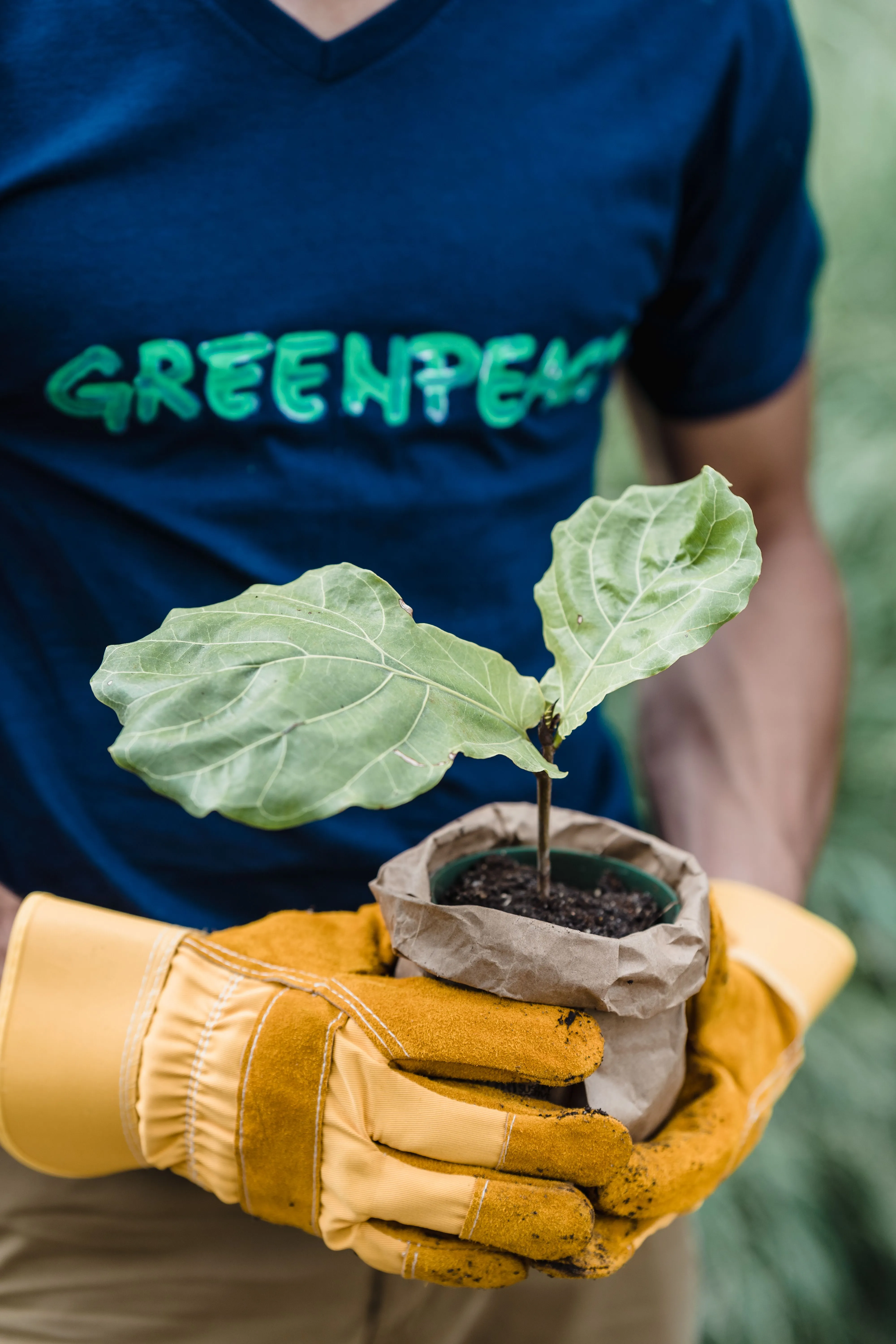
However, circular systems are limited. Not every material can be recycled indefinitely, and recycling itself requires energy, infrastructure, transportation, and markets for materials. This is why reducing unnecessary consumption and designing products and systems differently can also be important alongside recycling.
The role of consumers
Individual choices in waste management can matter. Choosing durable products, avoiding unnecessary purchases, reusing items, carrying reusable containers, separating waste, and considering how products are packaged can all reduce the amount of waste.
However, the responsibility of individuals is limited. People make choices within systems that they did not create themselves. A consumer may want to avoid unnecessary packaging but have few alternatives. A household may want to recycle but live in an area without reliable collecting and recovery facilities.
This is why sustainability also involves businesses, local governments, and national governments. Businesses influence how products are designed and packaged. Local governments influence collection and waste-management services. National governments set policies and standards. Communities can develop shared practices around reuse, segregation, and cleanup. Consumers can also influence demand in relation to the choices that they make and continue to use.
The Philippines’ Extended Producer Responsibility Act of 2022 is one example of a policy approach that places responsibilities on producers for plastic packaging throughout different stages of the product lifecycle. PIDS notes that the law represents a step towards improvement in waste management and circularity, while also identifying continuing challenges in relation to implementation, producer-responsibility organizations, local government roles, infrastructure, and participation from the informal sector (PIDS, Circular Economy Pathways, 2024; PIDS, Philippine-Appropriate Circular Economy Framework, 2026).
Communities play a large role
Waste tends to be most visible at a community level. A blocked drainage system, littered street, overflowing collection point, or polluted waterway can all make a waste problem immediately apparent.
Community participation can be critical. Waste management depends on everyday practices but can also involve schools, households, local governments, businesses, waste workers, and community organizations working together.
This is especially necessary as waste-management systems also involve people whose work is not always visible. Collection, sorting, recovery, recycling, and other activities can involve formal and informal workers who help keep materials circulating through the system. PIDS has identified informal-sector participation as one of the issues that need to be considered when developing a more circular waste-management system in the Philippines (PIDS, Circular Economy Pathways, 2024).
For students, sustainability can begin with understanding what happens to things after they have been used. Where does a plastic bottle go after it is thrown away, and what happens to food scraps, or paper that is put into a recycling bin? Who collects, sorts, and processes these materials?
These questions can transform waste from something that simply disappears into a bin into something that can be understood as a larger system.
Making consumption more sustainable
Sustainable consumption does not mean people have to stop buying things or avoid having modern conveniences. It means people are aware of the resources and waste that are connected to the things they use.
One useful way of thinking about consumption is asking a few simple questions. Do I actually need this, can I use something I already have, will this product last, can it be repaired or reused, and what will happen to it when I don’t need it anymore?
These questions do not solve the entirety of the waste problem, but can change people’s thinking about consumption. More importantly, they can help people understand where their role ends, and the roles of businesses, communities, and governments that need to take responsibility.
Building a less wasteful system
Waste and consumption are connected as every product exists within a system of resources, production, use, and disposal.
For the Philippines, improving that system means more than encouraging people to throw their waste into the right bin. It also involves improving waste infrastructure, strengthening implementation of existing policies, supporting recycling and recovery systems, reducing unnecessary use of plastic, improving product design, and developing circular approaches that keep materials useful for longer. Recent PIDS research argues that a Philippine approach to circular economy needs to account for the country’s own economic, social, cultural, and institutional conditions instead of simply copying models from other countries (PIDS, Philippine-Appropriate Circular Economy Framework, 2026).
For students and communities, understanding this connection is a useful starting point. The things people buy and use do not simply disappear when they are discarded. They become part of a system that affects resources, communities, and the environment.
Sustainability therefore is not only about throwing things away properly. It is also about asking if we really need something, how long it can be useful, what will happen to it afterwards, and what kinds of systems can help people use resources without creating unnecessary waste.
Sources
World Bank. Philippines: Plastics Circularity Opportunities Report.
Philippine Institute for Development Studies. Study on Circular Economy Pathways for Waste Management in the Philippines. 2024.
Philippine Institute for Development Studies. Pushing for a Philippine-Appropriate Circular Economy Framework and Definition. 2026.
Republic of the Philippines. Republic Act No. 9003 — Ecological Solid Waste Management Act of 2000.
Department of Environment and Natural Resources. Handbook on Ecological Solid Waste Management Act of 2000 and Its Implementing Rules and Regulations.
Residents' Waste Management Practices in a Developing Country: A Social Practice Theory Analysis. Environmental Challenges. 2023.
Plastic Pollution and the Open Burning of Plastic Wastes. Global Environmental Change. 2023.
Accumulation and Exposure Classifications of Plastics in the Different Coastal Habitats in the Western Philippine Archipelago. Environmental Pollution. 2023.
Elucidating the Surface Macroplastic Load, Types and Distribution in Mangrove Areas Around Cebu Island, Philippines and Its Policy Implications. 2022.
A Comprehensive Assessment of Plastic Pollution Inland, on Riverbanks, Along the Coastline and at the Sea Surface in Southern Mindanao, Philippines. 2024.