Philippine Communities
Understanding Community Life and Social Change
Philippine communities continue to change as social, economic, and cultural conditions shift.
Communities are changing over time
A community is never static: its residents, their occupations, available facilities, and even the social dynamics between residents can change over time.
One example of this is urbanization. According to the 2024 Census of Population, 55.2 percent of the Philippine population lived in urban barangays in 2024, up from 54.0 percent in 2020 (Philippine Statistics Authority, 2024 Census of Population). While some communities may grow as people relocate toward areas with better opportunities, others may see shifts in their demographics and economies.
“55.2 percent of the country's total population lived in urban barangays.”
Philippine Statistics Authority, 2024 Census of Population
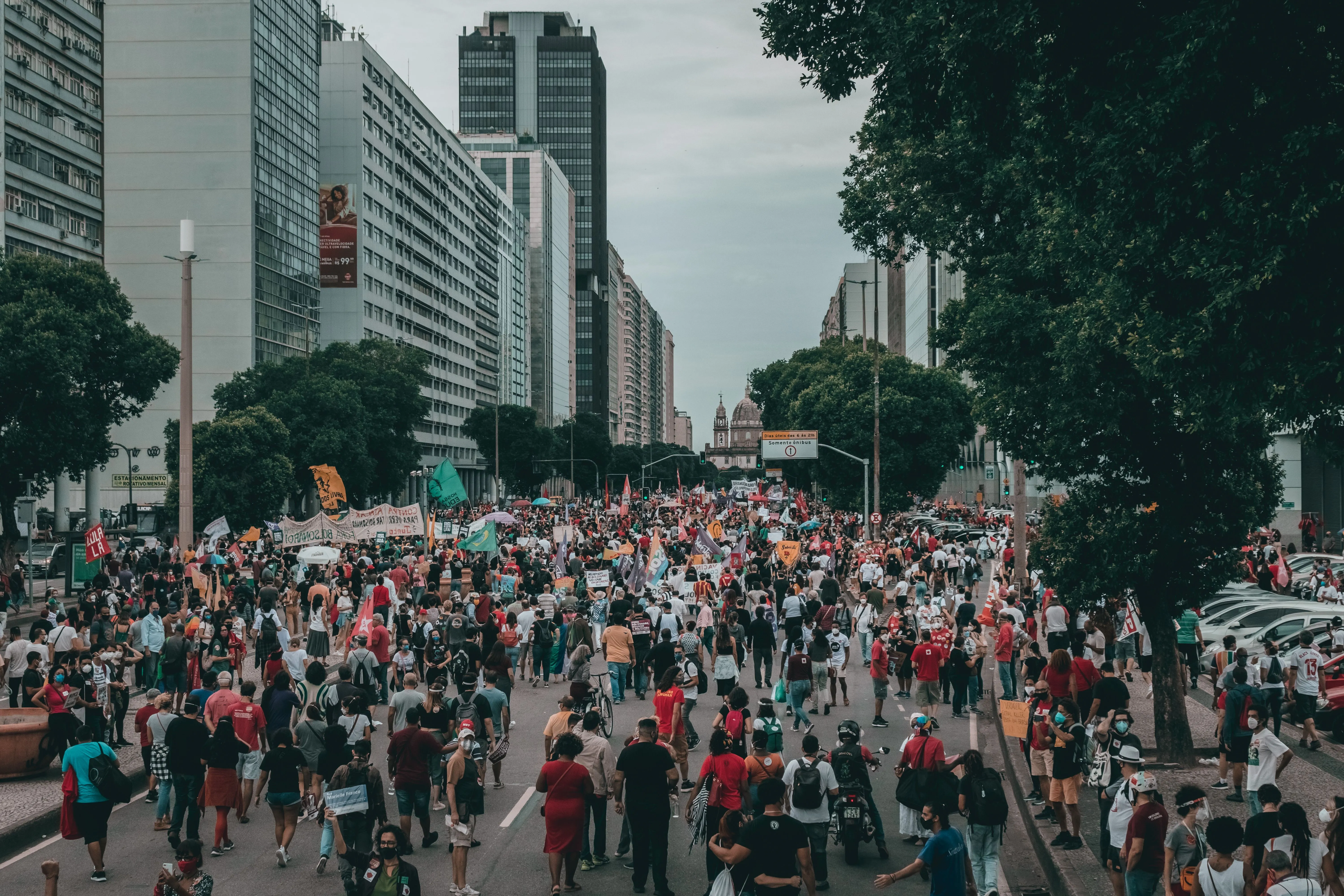
Population growth and urbanization can affect residents’ everyday lives. New facilities, such as roads, housing, schools, and health services, may be developed to meet the needs of a growing population, while opportunities for commerce and business may also expand in some communities.
Migration can reshape a community
Filipinos relocate within and outside the country for a variety of reasons. Members of the diaspora may also maintain connections to the barangays where they were born or raised.
Migration can bring new knowledge, networks, and perspectives into a community. It can also affect everyday life as families live apart and young people leave to pursue studies or new opportunities. The effects vary across families and places.
Migration can reshape both the communities people leave and the ones they move to, as well as the personal dynamics and connections that form the basis of many communities.
Economic developments redefine social dynamics
Changes in the local economy and the occupations available within a community affect residents’ daily realities.
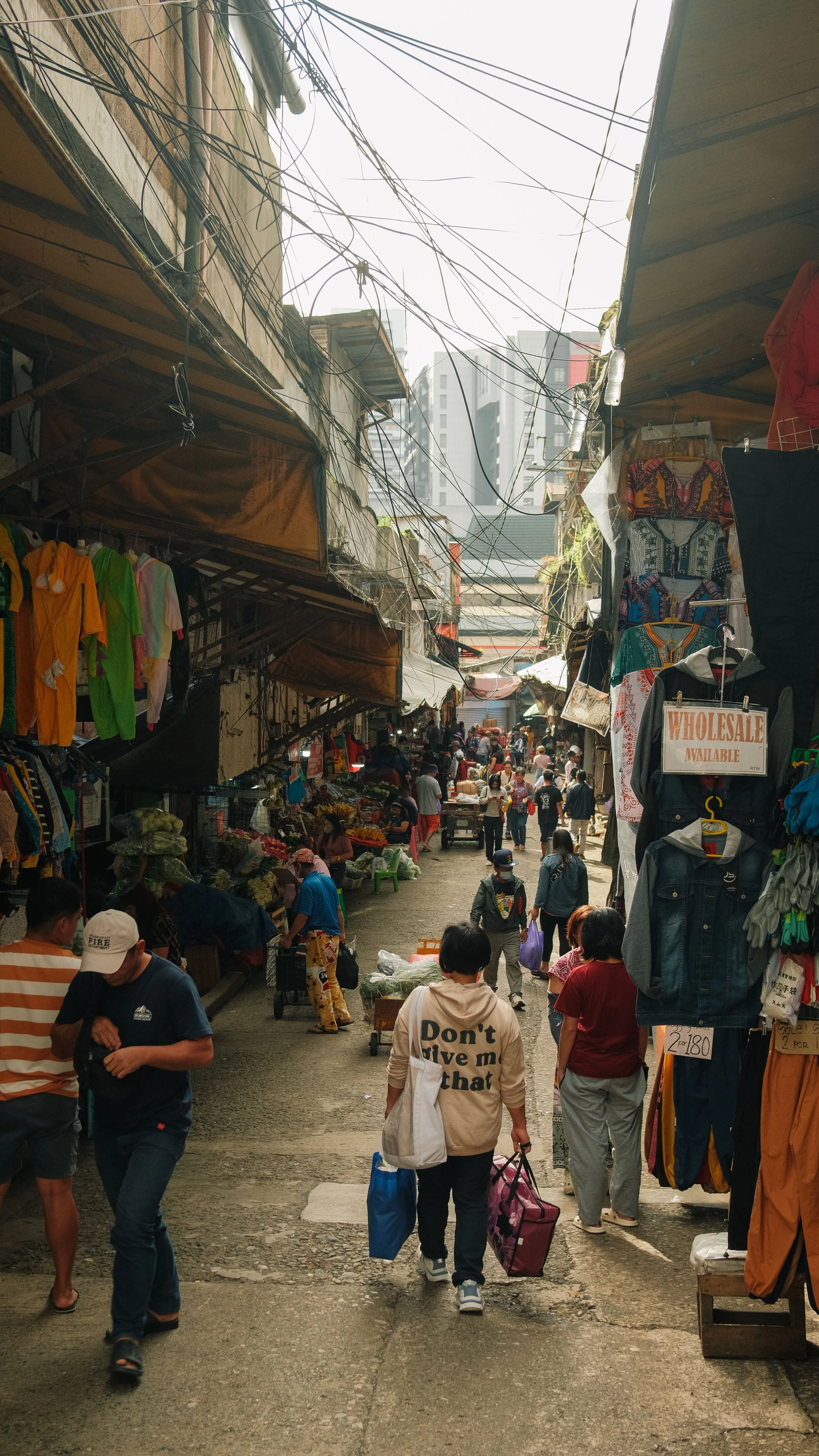
Some communities may respond to economic shifts by taking advantage of opportunities and building businesses that employ more people and contribute to the local economy. Other communities may have shortages of certain types of jobs and fewer opportunities in particular fields.
Such changes can shape social dynamics, create new connections and institutions within and across communities, and bring challenges as local needs change.
Technology facilitates everyday interactions and collaborations
Technology and telecommunications allow Filipinos to interact across distances.
These technologies can help people keep in touch, cooperate, collaborate, and mobilize for common causes without meeting face to face.
Online interactions can help people stay connected, while communities may also face challenges such as misinformation and unequal access to information and technology. People’s online experiences can differ, and increased online interaction may also influence how Filipinos engage with each other offline.
Community life and engagement remain crucial
Even as physical and social distances continue to shape how Filipinos engage with one another, connections remain important to community life and well-being.
Trust and solidarity within a community can help residents work together on shared challenges and interests. Research on Philippine communities has found an association between social capital, community participation, and local development (PIDS, research on social capital and community participation in the Philippines).
“Social capital plays an important role in facilitating collective action and community participation.”
Philippine Institute for Development Studies, research on social capital and community participation in Philippine communities
There are many ways for individuals, families, and community members to participate. These can range from informal solidarity and mutual aid to more formal collaboration between residents and local government in support of local development initiatives.
Community residents also have opportunities to participate in local government.
PIDS research on Local Development Councils found that civil society organizations and institutions are integral to the councils, although the levels and quality of participation varied across participant groups (PIDS, Local Development Councils study).
“Civil society organizations and institutions are integral to the Local Development Councils.”
Philippine Institute for Development Studies, Local Development Councils study
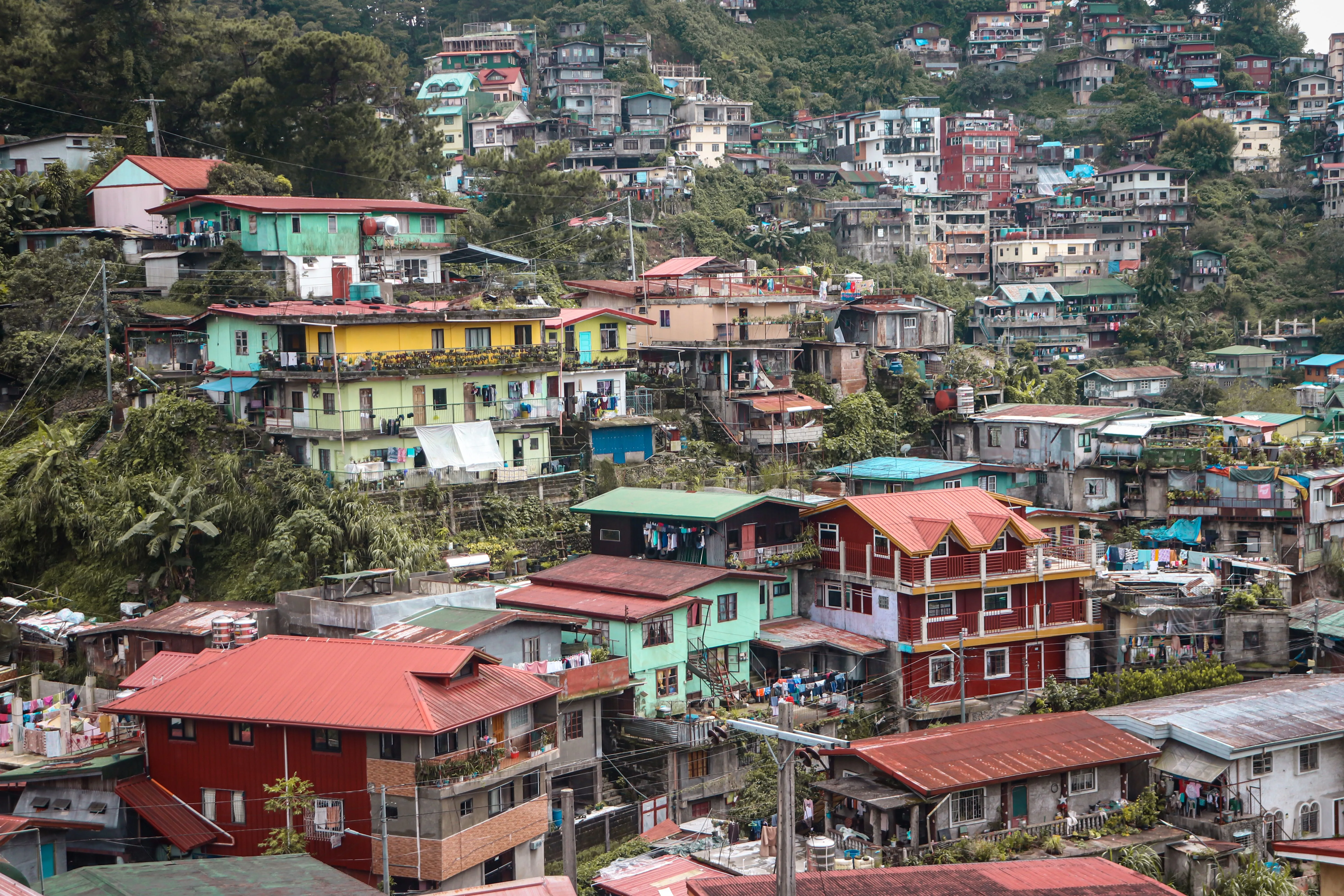
The presence of a participation mechanism alone is not enough, nor does it guarantee that participating residents will influence decision-making or local development initiatives.
Local contexts can limit development opportunities
Philippine communities are diverse, so efforts toward social change need to be contextualized as well.
A rapidly urbanizing city barangay will have different social change priorities from a rural, agricultural barangay, one in a coastal area, or one affected by armed conflict or natural disasters. Opportunities and vulnerabilities vary across these contexts, calling for place-based approaches to community development.
Communities should not just be recipients of development initiatives; they can also participate in and contribute to community initiatives and priorities. Through their knowledge, skills, and sensibilities, residents can help guide community development efforts. Community members, existing local organizations, families, youth, enterprises, civil society, local government, and other stakeholders can work together to address the specific needs and capacities of a given community.
Sources
Philippine Statistics Authority. 2024 Census of Population (2024 POPCEN).
Philippine Institute for Development Studies. Research on social capital and community participation in Philippine communities.
Philippine Institute for Development Studies. Research on Local Development Councils in the Philippines.