Technology
The Digital Tools Behind Everyday Student Life
Search engines, note-taking, learning, and messaging apps have become the silent staples of modern student life.
School Does Not End at the Classroom Door
The school day used to be something easily compartmentalized and separated from the rest of life. One stayed at the classroom building for classes, used paper for written assignments, read books at home, and communicated with peers until everyone went back home.
The boundaries are blurred for modern students.
One wakes up, checks Messenger for class announcements, Google search for the right source, downloads learning materials on an online platform, takes notes on a laptop, and sends a message to a classmate regarding assignments – all with minimal change in the setting.
Technology is embedded in the context of student life.
Now, this does not necessarily mean that students study more or are better at studying than before. It means that more aspects surrounding the actual learning process can take place in a digital space. Sources can be found, directions received, assignments sent and received, communication with peers conducted, lessons viewed, and files stored all online.
For Filipino learners, this phenomenon was observed during the transition to the remote and online learning setups brought by the COVID-19 pandemic. A study done on Filipino college students found that the sudden change involved challenges related to the home learning environment, learners’ mental health, and the overall learning experience while also developing resourcefulness, help-seeking behaviors, time management skills, and digital competencies (Barrot et al., 2021).
Even after the most disruptive period of the pandemic, many of the technologies and practices adopted during that period have remained part of student life.
The Search Engine Is Part of the Study Process
The most basic of digital tools also happens to be right at the core of the learning process: the search engine.
When in doubt about a particular topic, students just Google it. This is especially true for students who encounter difficulties understanding certain topics that were not properly explained, needing additional context for their research, or having trouble finding the right source for a particular requirement.
It fundamentally changes the way learners approach information acquisition and utilization. One no longer needs to have extensive book collections to have good research. With just a click of a button, one can view journal articles, newspapers, videos, government publications, and more that would help supplement the research.
However, this ease also comes with its own set of responsibilities.
After all, a search engine is just a tool. The user must know what they are looking for and which are credible sources for their own research, and many students could use guidance on this matter. One must also be able to discern which are appropriate links to click on. The availability of information does not mean that it is all fit for use, and having too many search results does not guarantee one is looking at the right source material. Technology is a way of life for students, so it is important that they learn how to use various tools available to them effectively.
Learning Platforms Became Part of School
LMSs and other online learning technologies have also become staples of student life.
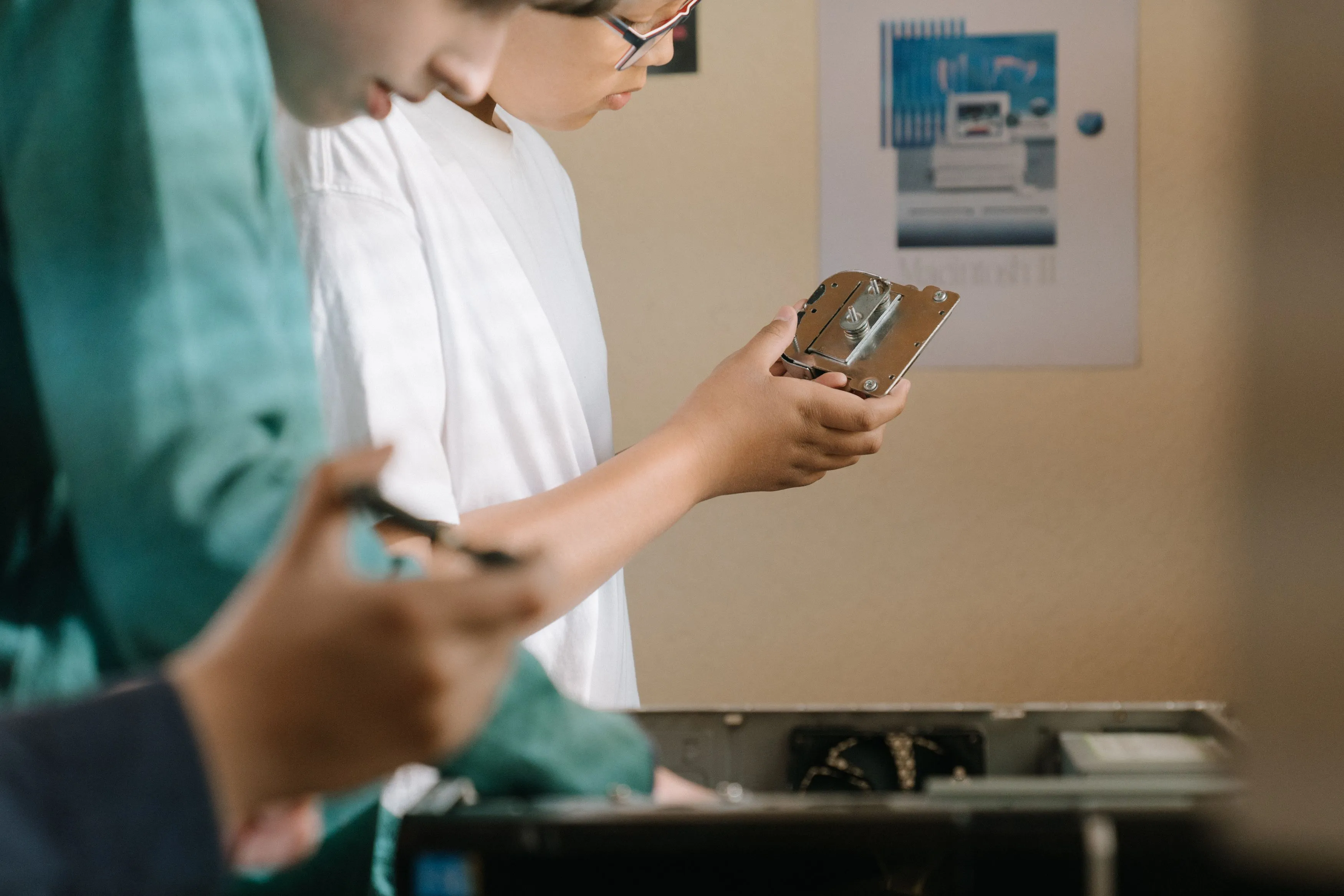
A study conducted at the Cebu Technological University in 2021 asked students to identify their preferred web-based teaching-learning platforms in the new normal. Researchers found that the students listed such platforms as important mediums for academic communication and teaching (Kintanar et al., 2021).
Other studies, including a 2024 research at the Cebu Normal University, explore the academic and social implications of the widespread adoption of virtual learning environments. In this study, the researchers looked at the influence of students’ and institutions’ acceptance of such learning environments on their use (Petancio et al., 2024). For students, the presence of the LMS itself is often seamless; it serves as the medium by which instruction and assignments are delivered and received.
Such technologies are convenient, as they allow for the continuation of learning outside of the classroom. However, they also add to the burden of students, who must now learn and remember different access points for their course materials and have more to worry about in terms of deadlines and file management.
The Classroom May Be Online, but the Responsibility Remains with the Student
Messaging apps are similar in that they supplement learning in ways that are not necessarily meant for that purpose.
A class group chat can be used to ask questions regarding an assignment, set reminders, send files to other students, discuss the logistics of a group project, or catch up with classmates on what took place during a lecture one missed. Studies on the implications of social media on student life also highlight the technology’s role as an educational medium. In Canlas and Perez (2024), the researchers analyzed the perception of social media use among undergraduate students in the Philippines and the Kyrgyz Republic.
The students described several educational uses of the technology, including communication, education, information dissemination, entertainment, expression, and socialization (Canlas & Perez, 2024).
Researching the role of social media in the academic lives of 388 Filipino secondary and tertiary students also found that social influence has a significant impact on the social media use of students for educational purposes during the pandemic (Belmonte et al., 2024).
As such, the use of such technology as an educational tool is more common than one might think. They do not inherently replace traditional technologies, however. A group chat can be used to discuss the details of a project while the formal LMS is where students receive the instructions from their teacher and submit the files pertaining to the project. Technology often fills the spaces between previously established systems, serving as the link between distinct aspects of the learning process.
While messaging apps and other digital tools can aid in learning, they can also be a source of distraction.
A smartphone is a repository of knowledge, but it is also a gateway to games and other non-academic digital media. In reality, a single technology can serve both purposes, and the danger is found in its availability to the user. A 2024 study of college students in the Philippines examined digital-device engagement and digital stress (Giray et al., 2024), while another study examined digital distraction involving social media, video games, video streaming, text messaging, and internet use among college students (Lucob et al., 2024).
These include social media, video games, video streaming, text messaging, and internet usage in general.
Essentially, the same phone that allows students to access their LMS and access educational resources is also the same phone that keeps them from doing their work. Technology is not inherently good or bad, but it can create problems for users when they do not know how to use it responsibly.
Access Still Matters
One aspect of digital student life that is often overlooked is the disparity in regard to access to technology.
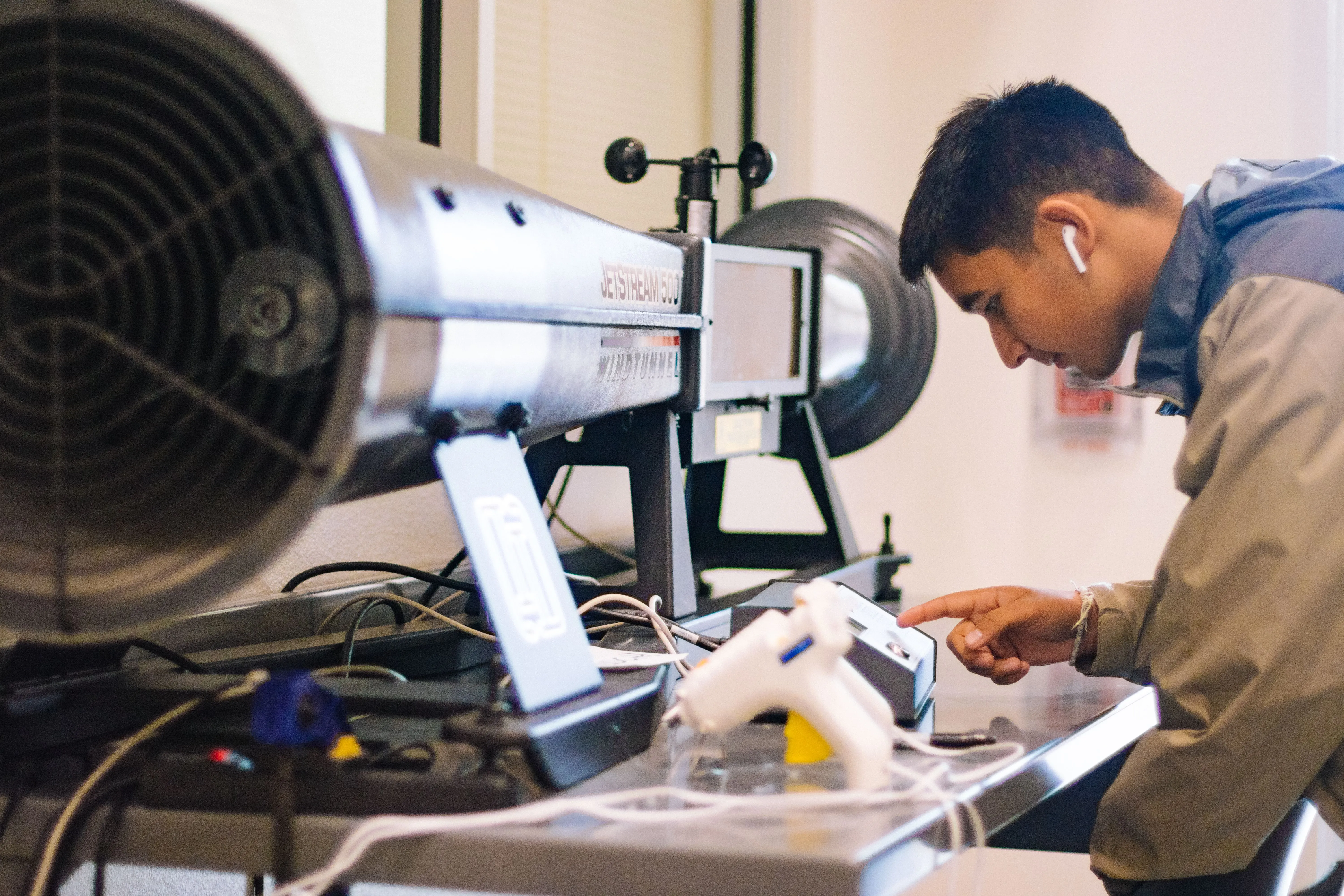
Having access to an LMS is one thing, but being able to use it to its full potential is another. Some students have stable wifi connections and personal computers, while others only have access to their parent’s mobile phone and rely on cellular data. As such, not all learners have the same opportunities, and this issue is highly relevant in the context of the Philippines.
The government has also attempted to address some of these gaps. As such, the DepEd partnered with Khan Academy PH and Smart Communications to bring digital learning to more students. As of January 2026, DepEd announced that the partnership had already served 711,000 learners and 12,153 teachers across the country’s 2,700+ public schools (Department of Education, 2026).
The Department also announced its efforts to bring digital learning tools to the Last Mile Schools as of 2026 through the assistance of the Asian Development Bank. The initiative was designed to address the challenges in regard to the students’ access to technology.
The existence of such programs shows that while students utilize digital tools for learning, there is still work to be done in regard to equal opportunity.
The Student Still Has to Do the Thinking
Digital tools can make the life of learners significantly easier. A search engine can find information, a learning platform can organize information, a messaging app can facilitate communication, a note-taking application can store information, and an educational platform can teach a lesson beyond the physical classroom.
However, none of these things can replace the ability of a student to internalize the meaning of such information.
Technology serves more as an enabler of the learning process than the one doing it.
A student can have 10 sources but fail to thoroughly read any of them. A student can have a class group chat but be unable to ask the right questions. A well-organized set of study notes is useless to a student who does not review them. The more useful digital tools are the ones that enable students to do something they could not do before. A tool can help find a source, understand a difficult concept, organize one’s work, communicate with others, or practice certain skills.
The technology can make the activity easier, but the student still has to do it. And while the tool may change, the fundamental responsibilities of learning are still the same.
Digital Student Life Is Probably Here to Stay
It would be hard to imagine modern student life devoid of digital technology. Search engines have become indispensable research tools, messaging apps serve as communication hubs, learning platforms function as the digital classroom, and note-taking applications store information that would have otherwise been kept in paper. The question is not whether or not students should use such technologies, for they already do. The more relevant discussion is on whether or not these tools enhance and enable the learning process or simply provide a means of conveying information without students actually utilizing it. Technology has changed the landscape of student life, but it has not changed the purpose of studying. The student still has to read, question, understand, remember, practice, and think.
Sources
Barrot, J. S., Llenares, I. I., & del Rosario, L. S. (2021). Students’ online learning challenges during the pandemic and how they cope with them: The case of the Philippines. Education and Information Technologies, 26, 7321–7338.
Canlas, I. P., & Perez, M. G. (2024). Undergraduate Students’ Perception of Social Media Use: Opportunities and Threats. Bulletin of Science, Technology & Society, 44(1–2).
Belmonte, Z. J. A., Prasetyo, Y. T., Cahigas, M. M., Young, M. N., Nadlifatin, R., & Decapia, R. F. (2024). Exploring the Impact of Social Media Usage on Filipino Students’ Learning Outcomes during the COVID-19 Pandemic. ICDTE 2024, 47–55.
Giray, L., Nemeño, J., Braganaza, J., et al. (2024). A survey on digital device engagement, digital stress, and coping strategies among college students in the Philippines. International Journal of Adolescence and Youth, 29(1).
Kintanar, F., Elladora, S. T., Dayaganon, C. R., et al. (2021). Preferred Web-Based Teaching-Learning Platforms of University Students in the New Normal. International Journal of Educational Science and Research, 11(2), 173–188.
Lucob, D. N., Serion, R. M. T., Torreon, K. M. S., & Diansay, K. P. (2024). Glued on Gadget Buttons: Digital Distraction and Learning Motivation. Psychology and Education: A Multidisciplinary Journal, 16(10).
Petancio, J. A. M., Pogoy, A. M., Montalbo, I. C., & Pepito, G. M. (2024). Virtual Learning Environment in a Philippine Higher Education Institution: Acceptance and Practices. International Journal of Information and Education Technology, 14(5), 712–720.
Department of Education. (2026). DepEd, kinilala ang papel ng Khan Academy PH sa suporta sa 2,700 paaralan para sa learning recovery, digital innovation.