Education
The Role of Teachers in Student Learning
Teachers play a wider role in the learning process than the mere transmission of information, and how they teach, provide feedback, and engage can greatly affect learning.
Teaching Is More Than Explaining a Lesson
When one thinks of teachers, the image that most readily comes to mind is likely of a teacher standing before a class, imparting their knowledge. A teacher provides information, handles questions, and shares material for students to study.
However, teaching does not simply involve delivering information.
A teacher has the responsibility of determining what information their students need to understand, when the information should be introduced, how students need to practice an idea, and what to do when some have grasped a concept but not others. A teacher also has the responsibility of determining how effective their teaching has been.
As such, teaching is not simply a matter of one’s own level of knowledge and understanding of a topic; rather, teaching involves additional considerations. One might understand mathematics, history, and science exceptionally well, but still have difficulty teaching a given topic.
A teacher’s role therefore partly involves creating the conditions in which students can learn.
A teacher's role therefore partly involves creating the conditions in which students can learn.
That can involve delivering information, questioning, practicing, providing feedback, discussion, assessment, and adapting based on what students are showing.
A Teacher Can Change How a Lesson Is Experienced
The experience of studying the same topic can be vastly different depending on how a teacher chooses to conduct the lesson.
A teacher might begin with an explanation and then a question or two that allow students to apply the concept, or they might begin with a question and let the students discuss their answers before introducing an explanation. A teacher might provide examples of the concept in action or give students time to practice. They might provide a demonstration or let students explain.
None of these are inherently wrong or correct for a given lesson.
The important consideration is that teaching involves choices, and a teacher has to determine when students require an explanation, when they require practice, when they need a challenge, and when they need an alternative explanation.
This is particularly important in a setting where one classroom contains a mixture of students who have varying degrees of prior knowledge.
What is an intuitively understandable concept to one student might be utterly confusing to another, which is why teaching is not simply a matter of getting through the lesson.
It is therefore also a matter of paying attention to what is transpiring in the classroom.
Feedback Helps Students Know What to Do Next
The manner in which a student will receive information can greatly impact what they will do with that information, and one of the ways teachers can influence learning is by providing feedback.

A student can turn in an assignment and receive a grade, but a grade might not necessarily be informative. Students need information that allows them to take action, such as learning from their mistakes.
Giving a student an indication that an answer is wrong is not the same as providing the information necessary for the student to recognize their mistake. A teacher marking an essay poorly does not provide a student with the same information as them showing the student why the essay was poorly written.
Feedback is not necessarily tied to major assessments either. A teacher can observe an error and move on to a demonstration, ask a follow-up question, give a student additional opportunity to demonstrate their skills or knowledge, and so on.
Feedback can help a student understand what to do next, making it one way a teacher can influence learning beyond simply transmitting information.
Teachers Have to Adapt to Their Students
A classroom is not a collection of identical students.
Students come into a lesson with different prior knowledge, experiences, abilities, struggles, resources, and confidence levels. Even when everyone receives the same information, they may need different things.
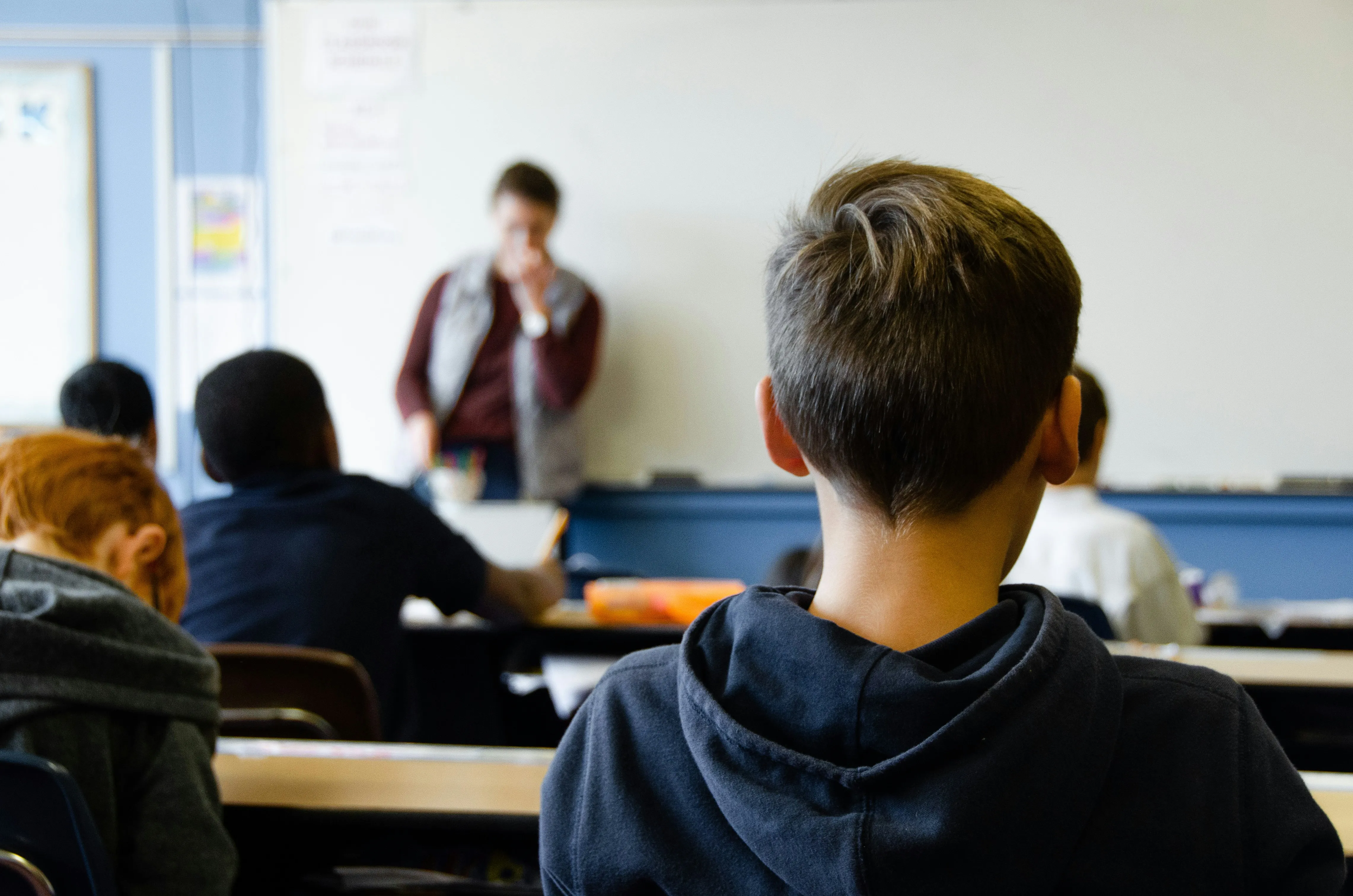
This constitutes a different aspect of what a teacher does: adapting to the individual students.
A teacher might give a student who struggles with a concept an additional example, ask a student who excels in a given area to demonstrate their skill, adjust the lesson’s pacing, or give an explanation that they find more understandable.
This is often referred to as differentiated instruction. It is not necessarily about tailoring an entirely different lesson for each individual student, but about understanding that students may need different things and acting accordingly.
It is worth noting the disconnect between the realities of differentiated instruction and the findings of Philippine research on teacher proficiency. A PIDS report in 2026 that used classroom observations of the first year MATATAG pilot found that 70% of observed classes were proficient in classroom management, 66% were proficient in lesson delivery and assessment, but 52% were non-proficient in differentiated instruction (Abrigo et al., 2025).
That is an interesting set of findings, one that highlights the ways in which managing a class and teaching a lesson are different from adapting the lesson for the different students that might be present in the classroom.
Teachers Learn Too
It is easy to think of education as being about the students and what they need to learn.
However, teachers also have to continue learning.
Curricula, technology, research, and students’ circumstances change, which means that a technique that works exceptionally well in one context might not work as well in another.
This is why professional development is important. A teacher might need to continue deepening their own understanding of a topic, develop additional strategies, analyze student work, collaborate, discuss, and reflect.
Philippine research on teacher education has indicated the importance of looking beyond a singular metric of teacher quality. A PIDS policy note in 2025 argued that teacher quality should not be solely measured by the passing rate of the Licensure Examination for Teachers, proposing instead a broader set of considerations such as classroom performance and stakeholder feedback (Garcia & Rivera, 2025).
The concept is fairly simple. The LET passing rate alone does not fully capture a teacher’s skills and performance in the classroom.
Collaboration Happens Behind the Classroom Door
The act of teaching might look like an individual act to students. One individual stands at the front of the classroom while the rest listen.
But, teachers can also learn from each other.
They can discuss lesson plans, compare strategies, address their concerns, analyze student work, assessments, and the differences between what works and does not work in the classroom.
This is exemplified by research on the MATATAG curriculum. A PIDS study in 2025 on the teaching practices of the curricular reform noted that the reform had a minimal impact on teaching practices, but an increased level of teacher collaboration was one of the more observable effects. Similarly, teacher collaboration, assessment and feedback practices, and emphasis on reading literacy were stronger indicators of classroom teaching proficiency than others (Lingatong et al., 2025).
Interestingly, the same study noted that the effect of the reform on student performance was largely direct, rather than through changes in observed classroom practices. The researchers estimated a 0.34 standard deviation increase in student performance associated with the reform (Abrigo et al., 2025; Lingatong et al., 2025).
This highlights the importance of considering other factors when attempting to understand education. Simply directing teachers to change certain aspects of their classroom is not necessarily the most effective way of improving education. Curriculum design, collaboration, resources, and teacher support are all factors that can contribute to educational improvement.
A Teacher’s Subject Knowledge Still Matters
There is one other aspect of teaching that runs the risk of being overlooked in a discussion of techniques: the teacher’s understanding of the topic they are teaching.
A teacher who fully understands a topic is in a better position to explain it in different ways, identify areas of misunderstanding, provide examples, and answer questions.
This becomes particularly important in cases where a teacher is assigned to a subject that they did not specialize in.
A PIDS study on teacher specialization and subject assignment in 2025 indicated that some teachers assigned to subjects outside of their specialization reported increased preparation time, reduced confidence, and difficulty addressing misconceptions. The PIDS study argued that teacher-subject alignment and professional development are critical areas of concern for instructional quality (Mejia et al., 2025).
This does not mean that teachers must fully understand everything before teaching a class.
It does mean that subject knowledge and teaching knowledge are two sides of the same coin.
Knowing the answer to a question is one thing, but understanding how to help someone else understand why the answer is correct is something else entirely.
Technology Did Not Remove the Need for Teachers
Technology has transformed the ability of students to access information, but it has not removed the need for teachers.
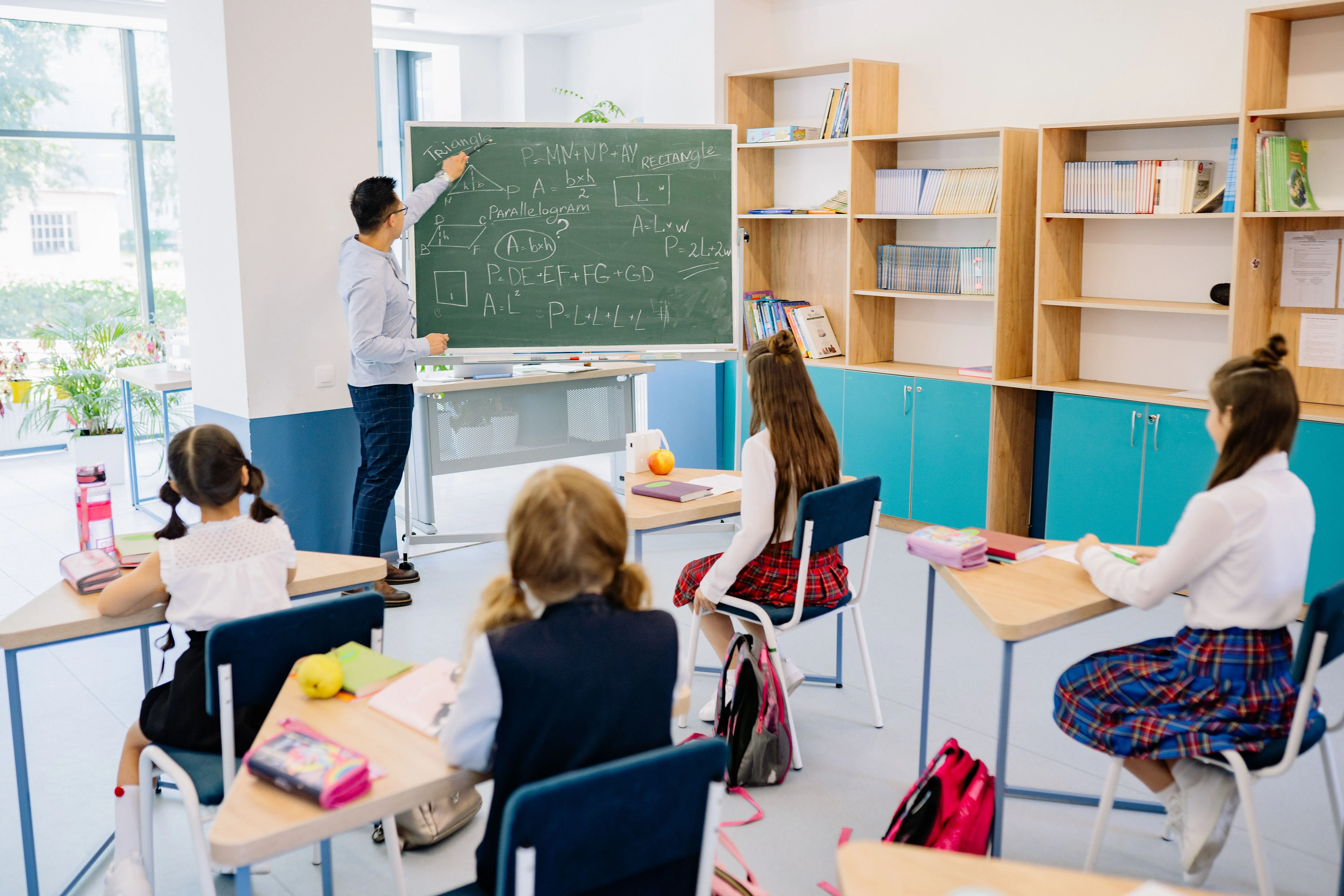
A student can search online, watch a tutorial, ask an AI assistant, and find an online exercise in seconds. This is exceptionally convenient compared to what was previously available.
But, access to information does not equate to understanding.
Students may still benefit from someone to provide them with guidance, determine which information is useful, help them apply new information to existing knowledge, point out mistakes, and so on.
Technology can provide an additional explanation, but a teacher can recognize that it is not effective for a given student and determine what should be done next.
That is particularly important as digital tools are integrated more and more into everyday learning.
The role of the teacher might change, but the need for guidance does not necessarily disappear.
The role of the teacher might change, but the need for guidance does not necessarily disappear.
Teaching Is Also About Relationships
Learning does not take place in a vacuum.
Students are people, and how they feel in the classroom can influence their participation, questions, willingness to admit mistakes, attempt again, and so on.
Research on teacher-student relationships has found that there are associations between their quality and student outcomes. A recent second-order meta-analytic review examined the evidence of multiple meta-analyses and found meaningful links between teacher-student relationship quality and student outcomes, while also illustrating the variations between outcomes (Emslander et al., 2025).
This does not necessarily mean that teachers need to become friends with their students.
It means that interaction matters. A student who feels comfortable asking clarifying questions is more likely to reveal that they do not actually understand a particular concept. A classroom where mistakes can be openly discussed without being humiliating can encourage students to continue studying.
Teaching therefore involves both an academic and a human component.
The Teacher Is Not the Only Thing That Determines Learning
It would be just as misleading to suggest that teachers are entirely responsible for learning as it would be to suggest otherwise.
Students’ prior knowledge, attendance, resources, family circumstances, health, motivation, school environment, curriculum, class size, and access to materials can all play an important role.
Teachers operate within that system.
The research conducted on MATATAG highlights that. The first-year evaluation of the program found that while teachers reported greater flexibility in lesson delivery and contextualization, they also cited issues, such as insufficient instructional support, delayed learning materials, inadequate training, and inconsistent articulation of competencies (Abrigo et al., 2025).
A teacher can make many choices that directly affect the learning of their students, but they cannot independently address all of the problems surrounding their classroom.
That is why discussions on teacher quality should also consider the conditions they are expected to work under.
So What Is the Role of a Teacher?
As can be seen, the role of a teacher is difficult to summarize in a sentence.
They do more than explain information, and they can do more than ask questions. They assess but also interpret mistakes, manage classrooms, adapt instruction, and introduce knowledge in a manner that allows students to relate it to real-world concepts.
They collaborate with colleagues, continue learning, and address the needs of students who do not all learn the same way.
To me, that is what makes the role of a teacher more interesting than simply being the person at the front of the classroom.
A teacher does not need to be the sole source of information anymore, as students have books, websites, videos, digital tools, each other, and countless other sources.
What a teacher can offer is something different: structure, judgment, explanation, feedback, adaptation, and human interaction.
What a teacher can offer is something different: structure, judgment, explanation, feedback, adaptation, and human interaction.
The classroom may be changing, but that does not make the teacher less important. It simply changes what being a teacher entails.
Sources
Lingatong, E. E., Abrigo, M. R. M., Aranzanso, D. J. F., Berroya, J. D., Daga, E. D. J. C., Gonzales, J. F. D., Ignacio, M. A. C., Macaraig, D. L., Pablo, C. V., Pineda, C. C., Sister, J. M. A. A., & Villasor, R. (2025). Teaching through Transition: What Influences Teachers’ Practices amidst Curriculum Reform? Philippine Institute for Development Studies, Discussion Paper No. 2025-45.
Abrigo, M. R. M., Lingatong, E. E., Daga, E. D. J. C., Apostol, G. C., Cagasan, L. P. Jr., Gavan, D. S., Paquibot, J. L., Perez, T. D. W., & Relos, C. M. L. (2025). Promise and Growing Pains in Curriculum Reform: A Mixed-Methods Evaluation of MATATAG K-To-10 Curriculum's First-Year Pilot Implementation. Philippine Institute for Development Studies, Discussion Paper No. 2025-53.
Garcia, G. D. V., & Rivera, J. P. R. (2025). Strengthening Quality Assurance Systems in TEIs: A Priority for Enhancing Teacher Education. Philippine Institute for Development Studies, Policy Note No. 2025-11.
Mejia, Ivy P., Tenorio, Alvin D., Monteverde, Richard P., Marasigan, Arlyne C., De Vera, Jayson L., Castulo, Nilo J., De Pano, Cathlene P., Sinsay-Villanueva, Leih Maruss, Garcia, Glenda Darlene V., Lim, Valerie L., Tanyag, Ivan Harris, & Berroya, Jenard D. (2025). Influence of Teacher Specialization and Subject-Taught Mismatch on Students’ Learning Outcomes. Philippine Institute for Development Studies, Discussion Paper No. 2025-33.
Emslander, V., Holzberger, D., Ofstad, S. B., Fischbach, A., & Scherer, R. (2025). Teacher–Student Relationships and Student Outcomes: A Systematic Second-Order Meta-Analytic Review. Psychological Bulletin, 151(3), 365–397.