Social Media & Online Behavior
Online Behavior, Privacy & Digital Citizenship
Being online means leaving traces, sharing information, and interacting with people whose intentions are not always clear.
Being online is more than being connected
We think of being online as simply having access to the internet.
A student opens the application, sends a message, watches a video, searches something, joins a group chat, or writes a comment. They don’t seem significant when they’re being done because they are common things that people do everyday.
However, being online can also be a process of making decisions.
What, who, can or cannot be shared? Should you trust a source? Should you respond to a message or add a stranger on social media? What would happen if something, seemingly harmless, were shared across hundreds of other people?
Decisions related to the internet feel trivial because they happen quickly and are taken as a matter of course.
But for students in particular, the issue of online spaces is not detached from day-to-day experience, and rather, it is part of the way we speak, study, socialize and encounter information. It is a matter of navigating those spaces deliberately, not assuming that because something is convenient, it’s safe.
What we do online can leave a trace
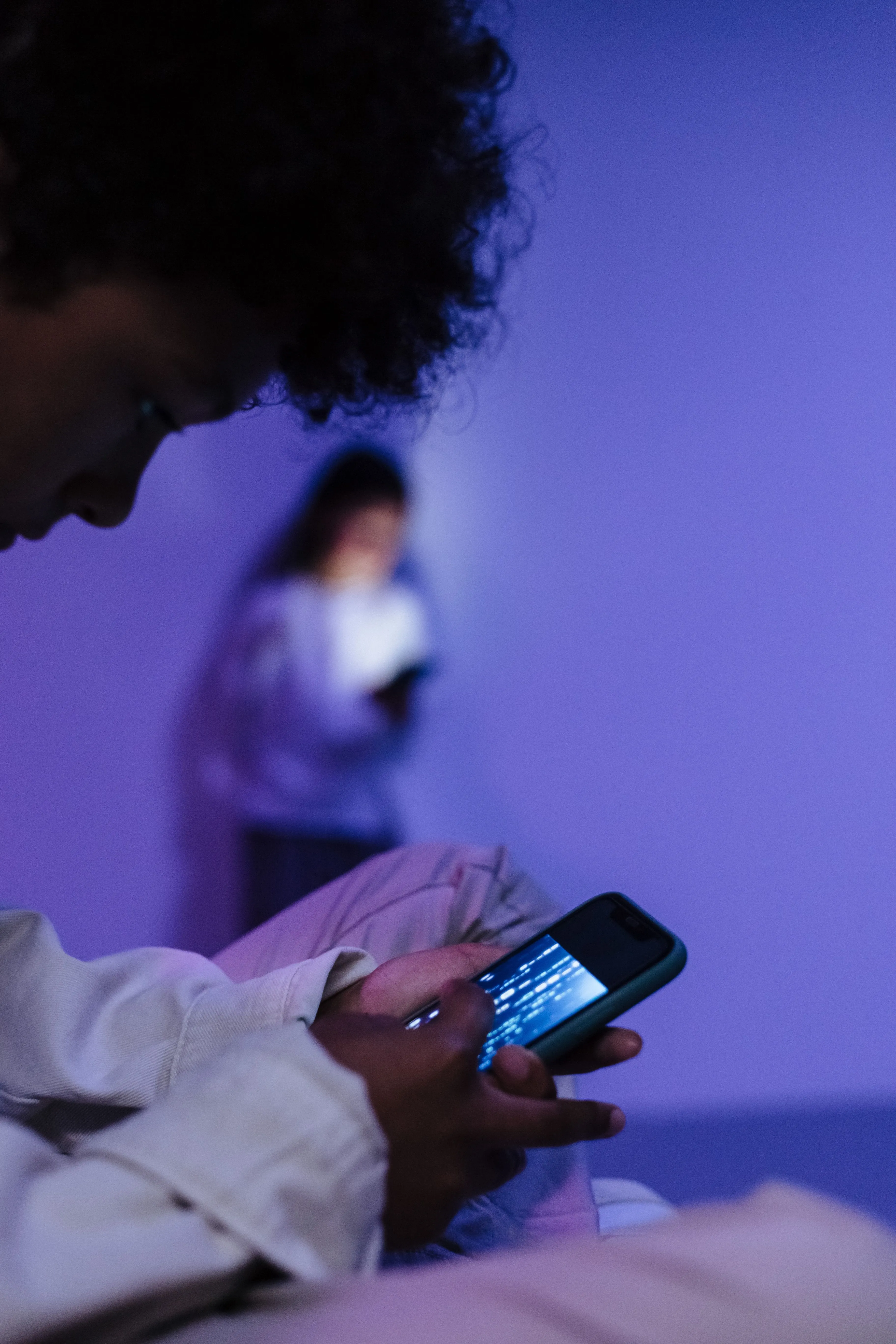
One of the easiest things to forget about the internet is that the effects of our actions can outlive us.
Something can be deleted and a message removed. A photo can be taken down from an album or a post flagged. However, other people may have been a part of the process, and so it is not just the original source of information that can have an impact, but the ways that it has been saved, copied or shared.
That is not to say that everything we do online will follow us for the rest of our lives, but students should be aware that what they share is not always temporary.
Similarly, privacy is not just a matter of technical knowledge such as logins and passwords, but also requires a degree of judgment.
A student may share their school, location, birthday or hobbies, and even photos of family, without understanding that individual pieces of data can combine into something else. While each piece of information may seem harmless, they can become revealing and compromising when placed together. Researchers who looked at the online privacy behaviors of 300 urban poor youth in Metro Manila, Philippines, found that there was a correlation with diversified internet connectivity. Information literacy partially explained this (Bernadas & Soriano, 2019).
Knowing about how the internet works can therefore be a part of protecting one’s privacy.
Privacy settings are not everything
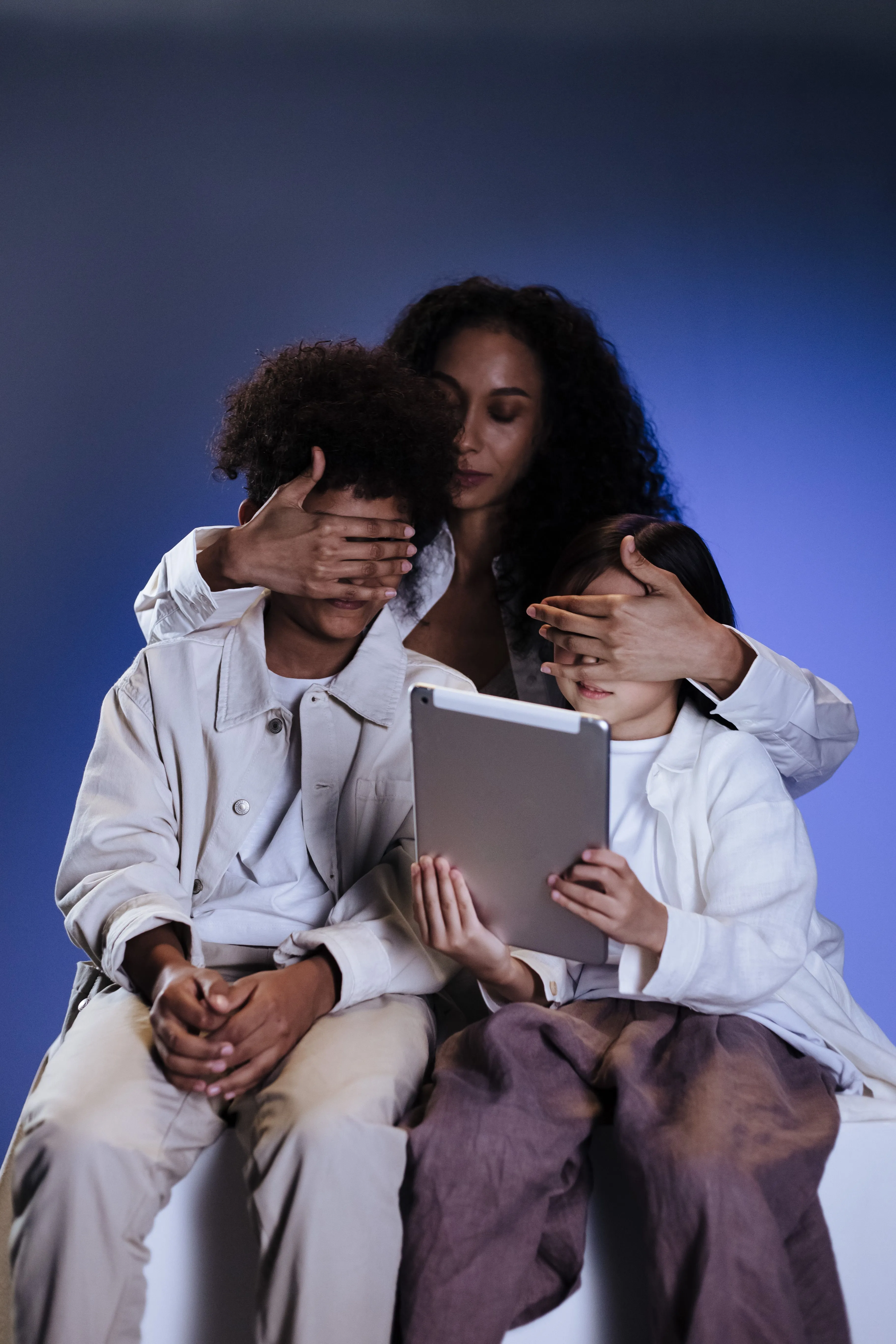
We often think of privacy as a technical issue, and so it’s easy to believe that just by adjusting a few settings, things will change.
As a student, you should know who can see your posts, who can find and contact you, what information an app has access to and what your options are for blocking or reporting an account.
However, technical measures are only one part of the problem.
When a student is talking about who can see their posts, they can also think about what they are sharing and with whom. A person may have a private account and still be giving too much information to the people who can see it. Someone may have great technical privacy, but click on a suspicious link or someone who seems trustworthy may still have unsafe communication. One is not immune to problems online just by possessing a certain level of digital knowledge. UNICEF Innocenti – Global Office of Research and Foresight, ECPAT International, and INTERPOL’s 2022 report, Disrupting Harm in The Philippines: Evidence on online child sexual exploitation and abuse, found that many children were more confident about judging if something was appropriate to share than practical safety skills. In the household survey, 82% said that they were confident judging what images of themselves or their friends to share on social media, while smaller proportions knew how to change privacy settings, report harmful content on social media or check whether a website was credible. Knowing and doing are not always the same skills (UNICEF Innocenti, ECPAT International, & INTERPOL, 2022).
Not everyone is who they appear to be online
Social media can provide an easier avenue to meeting people.
A student can connect with others on the basis of an interest, speak to someone with the same hobbies and make new friends in a game or through social media. However, there is also the issue of authenticity.
A profile picture does not mean that a person has the features shown, a seemingly friendly conversation does not always mean that someone is trustworthy, and even people who appear familiar can still have intentions that are difficult to verify. The Philippines Kids Online research found that online risks were part of the experiences of Filipino children and examined how children and parents navigated opportunities and risks on the internet (Philippines Kids Online, 2021). It does not mean that students should believe that everyone online is dangerous, but rather that they should think carefully about trusting people based on what they see on screen.
Knowing when to stop
Digital citizenship is a concept that often talks about what students are expected to do online. However, sometimes it is just as important to know when not to do something.
As a student, you do not need to respond to every message or accept every friend request. You do not need to continue conversations that make you uncomfortable. You can leave a chat, block or report an account, or change your privacy settings. You can ask someone else you trust. It is not a sign of failure to handle the internet poorly, but rather a way of navigating an environment that can be difficult to control. UNICEF’s research in the Philippines found that children responded to upsetting online experiences in different ways. The actions taken included blocking people, changing privacy settings, and using in-built reporting tools, but these were not taken by everyone who experienced a problem. Knowing what to do and being able to do it are two very different things (UNICEF Innocenti, ECPAT International, & INTERPOL, 2022).
What we do online can affect other people
Digital citizenship is not just about protecting oneself; there are other people on the other side of the screen.
A joke can turn into an insult, a screenshot can expose private messages and sharing an embarrassing photograph can mean that it is no longer embarrassing to someone else. It can be much easier to share a rumor or tease someone across a group chat than it is in real life, simply because of the distance and anonymity provided by the screen. A 2024 study of 698 Filipino undergraduate students examined digital citizenship through areas including online respect and civic engagement. The researchers found relationships between aspects of digital citizenship and students’ global competence, including intercultural communication and global knowledge (Cleofas & Labayo, 2024). Being a responsible digital citizen therefore involves more than knowing the conventions of a platform; one must also take into account the effects that their actions can have on other people.
Digital citizenship is not just about avoiding problems
We often think of “digital citizenship” as a list of things that students are told not to do. Don’t post your password. Don’t talk to strangers. Don’t click on strange links. Don’t share private information.
These are very important rules, but they only describe a part of responsible online participation.
Digital citizenship also involves knowing how to participate constructively.
A student can use social media to learn about a topic, connect with people from different backgrounds, share helpful information, participate in a community or contribute to a discussion. It requires a degree of judgment to do any of this. UNICEF’s DigiChamps framework for children in the Philippines includes digital rights and responsibilities, online safety, cybersecurity risks, digital well-being, artificial intelligence, critical thinking and ethical engagement (UNICEF Philippines, 2023). That broader view is useful because the aim is not to prevent students from using the internet, but to help them do so responsibly.
Information can be shared before it is understood
Another feature of digital citizenship is knowing whether something should be believed or shared.
Social media can mean that information travels incredibly quickly, and a student can see something that seems compelling and pass it to their friends within seconds. The speed with which it gets shared does not guarantee its accuracy, however.
There can also be an element of misinformation built into a post, such as an incorrect statistic, an old photograph, a misleading headline or missing context, or a claim that was never substantiated in the first place.
This is where digital citizenship overlaps with information literacy: asking whether something should be shared or believed involves finding out where it is coming from, whether that source is credible, if other sources confirm it, and what the original context was. The ability to use the internet safely therefore involves more than just knowing how a certain app works: it also means knowing how to evaluate the information that it can show.
Other people’s information is also a matter of privacy
There is a convenient separation between “my information” and “someone else’s information.”
In practice, it can be complicated.
A student might take a photograph with friends and post it without asking everyone in the picture. Someone might forward a private message because they thought it was funny, or a screenshot might include another person’s name, their profile and personal conversation. The person sharing it may not have considered it very seriously.
While the person being exposed may think it is a great concern.
Respecting privacy means thinking about others’ information just as carefully as you think about your own.
This is particularly important in private group chats and online communities, where something can seem “private” simply because only a limited number of people can see it.
There is no guarantee that information will stay there.
Students are learning digital citizenship while living it
One thing to consider is that students don’t learn digital citizenship from a textbook; they practice it every time they make a decision about posting something, responding to a message, reporting an account, checking facts, protecting a password, or respecting someone.
The question is whether they are doing it deliberately.
Research into digital citizenship among Filipino students suggests that it is related to a range of broader skills and forms of participation (Cleofas & Labayo, 2024). Similarly, UNICEF’s work in the Philippines emphasizes digital responsibility, critical thinking, online safety and practical protective skills (UNICEF Philippines, 2023).
This suggests that digital citizenship is not a subject that exists outside regular internet use, but is rather built into ordinary decisions.
The internet does not remove responsibility
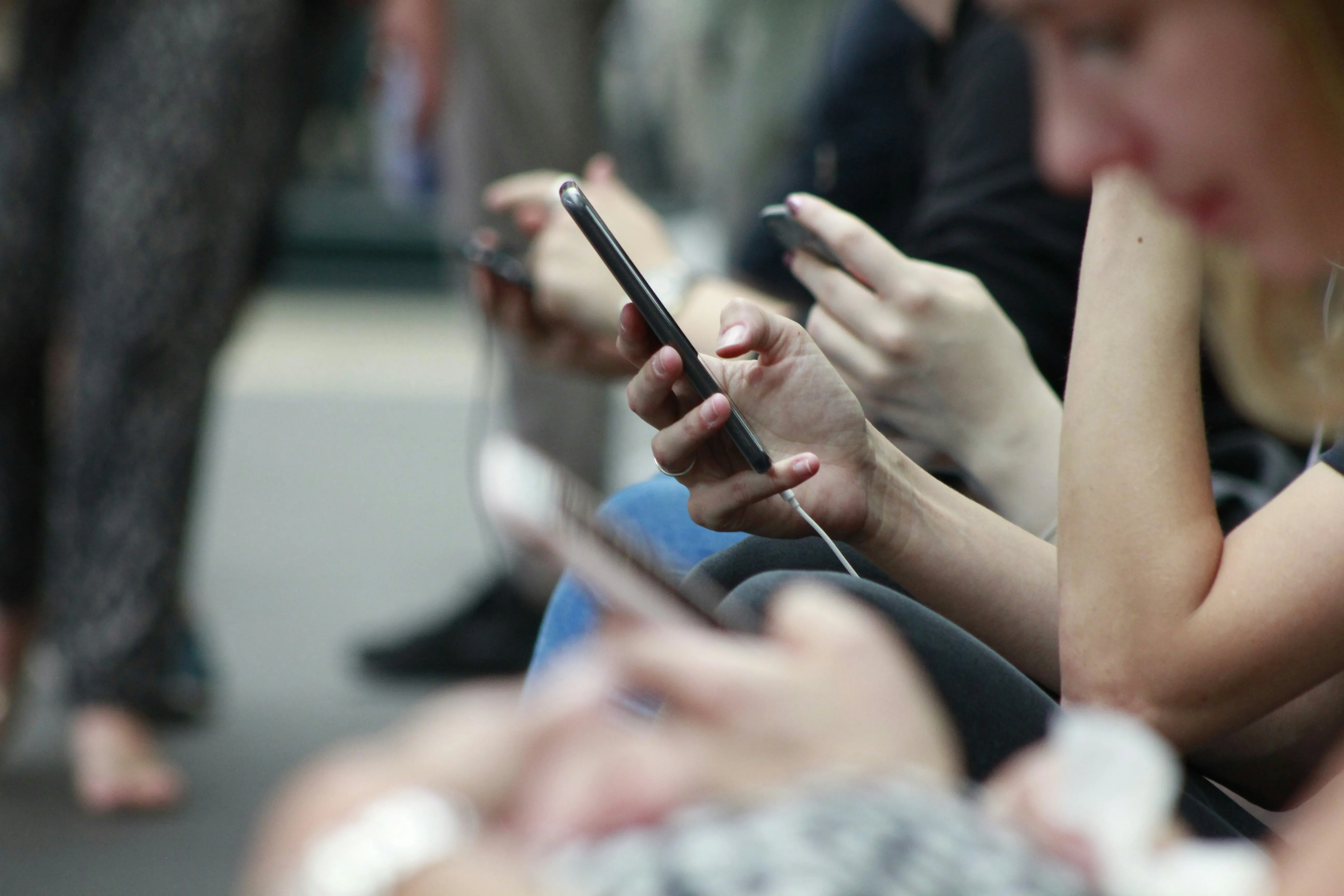
There are convenient qualities about being behind a screen: a student can say something without seeing what the other person’s reaction is, share something without seeing its effects immediately, and close an application when they are tired of it. However, the people who are affected by them do not disappear behind their own screens.
Being a responsible digital citizen does not mean that you will never make a mistake online. You will still misunderstand messages, share things you regret, trust the wrong people, and believe false information. It means being able to recognize them, respond appropriately and learn from them. For me, it is what makes digital citizenship more valuable than thinking of online safety as a list of restrictions. The internet is already part of students’ everyday experience, and the more important question is whether they can participate in it with enough awareness to protect themselves, respect others and think before they act.
Being online means leaving traces.
It also means leaving an impression on other people.
Being online means leaving traces. It also means leaving an impression on other people.
Sources
De La Salle University Social Development and Research Center, Department of Social Welfare and Development – Inter-Agency Council Against Child Pornography, & UNICEF Philippines. (2021). Philippines Kids Online: The Online Experiences of Children in the Philippines: Opportunities, Risks and Barriers. UNICEF Philippines.
UNICEF Innocenti – Global Office of Research and Foresight, ECPAT International, & INTERPOL. (2022). Disrupting Harm in The Philippines: Evidence on online child sexual exploitation and abuse. UNICEF.
UNICEF Philippines. (2023). DigiChamps: A Module Set on Instilling Digital Responsibility to Children. UNICEF Philippines.
Cleofas, J. V. J., & Labayo, C. C. (2024). Youth netizens as global citizens: Digital citizenship and global competence among undergraduate students. Frontiers in Communication, 9.
Sales, J. N., Tiongco, R., Lu, S., Ruiz, M. J., Cruz, J., & Prudente, M. (2024). Personal Privacy and Cyber Security: Student Attitudes, Awareness, and Perception on the Use of Social Media. International Journal of Curriculum and Instruction, 16(1), 175–190.
Bernadas, J. M. A. C., & Soriano, C. R. (2019). Online privacy behavior among youth in the Global South: A closer look at diversity of connectivity and information literacy. Journal of Information, Communication and Ethics in Society, 17(1), 17–30.