Health and Lifestyle
Nutrition & Eating Habits
Everyday eating patterns and food choices can impact health, energy, and student life.
What does a healthy diet actually mean?
There is no single food that makes a diet healthy or unhealthy, just as there is no single food that does either. The World Health Organization (WHO) defines a healthy diet around four aspects: adequacy, balance, moderation, and diversity. In summary, this means getting adequate amounts of nutrients, a reasonable balance of food types, avoiding excessive consumption of harmful items, and eating a wide variety of food types instead of relying on the same foods all the time (World Health Organization, 2026).
“A healthy diet is diverse and balanced, providing the body with all the nutrients it needs.”
World Health Organization (2026)
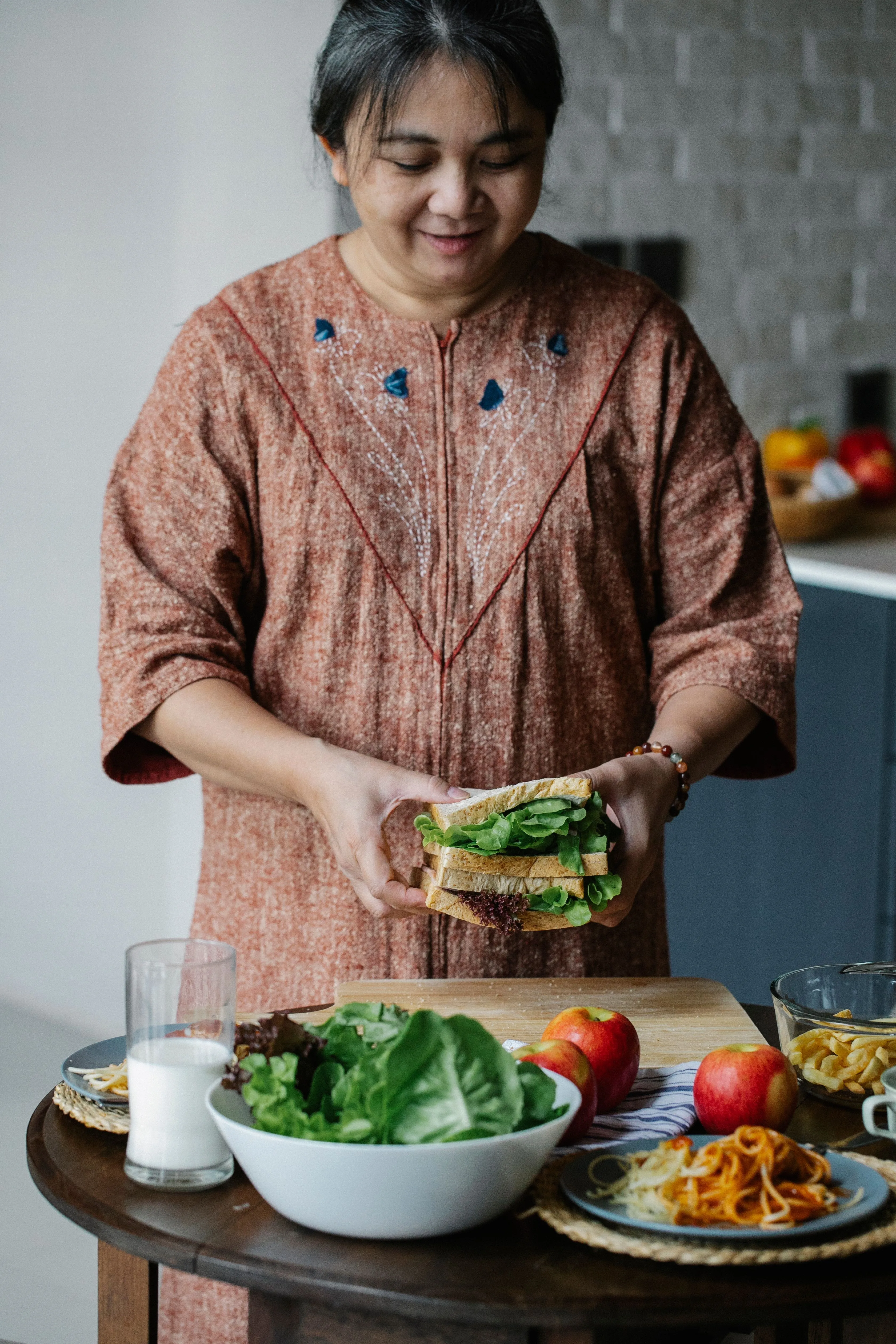
For students, this doesn’t mean calculating every portion of nutrients. A simple approach is to look at what contributes to a meal and its nutritional value. Rice, bread, noodles, or other staple foods can be a source of energy, fish, eggs, meat, beans, tofu, and other protein sources provide the nutrients needed for body function, and fruits and vegetables contribute fibre, as well as a variety of vitamins and minerals. Water is also an important part of the food intake.
The actual combination of these elements will naturally include a variety of choices within and between communities. Filipino food already has a lot of variety of nutritious choices: vegetables and fruits, fish, eggs, beans, and others. The challenge is to make those nutritious options affordable and accessible as everyday food.
When meals get skipped
Students may not always skip meals to be nutritionally conscious, but they often don’t have the time to do so.
A recent study that used the 2019 Philippines Global School-based Student Health Survey to gather data found that among the 10,175 school adolescents that were included as a nationally representative sample, 68.1% had skipped at least one of their meals in the previous month. Breakfast was the meal that was skipped most: 37.1% reported skipping it usually, compared to 20.1% skipping lunch and 10.8% skipping dinner (Pengpid et al., 2025).
“More than two-thirds of adolescents reported skipping at least one meal in the past month.”
Pengpid et al. (2025)
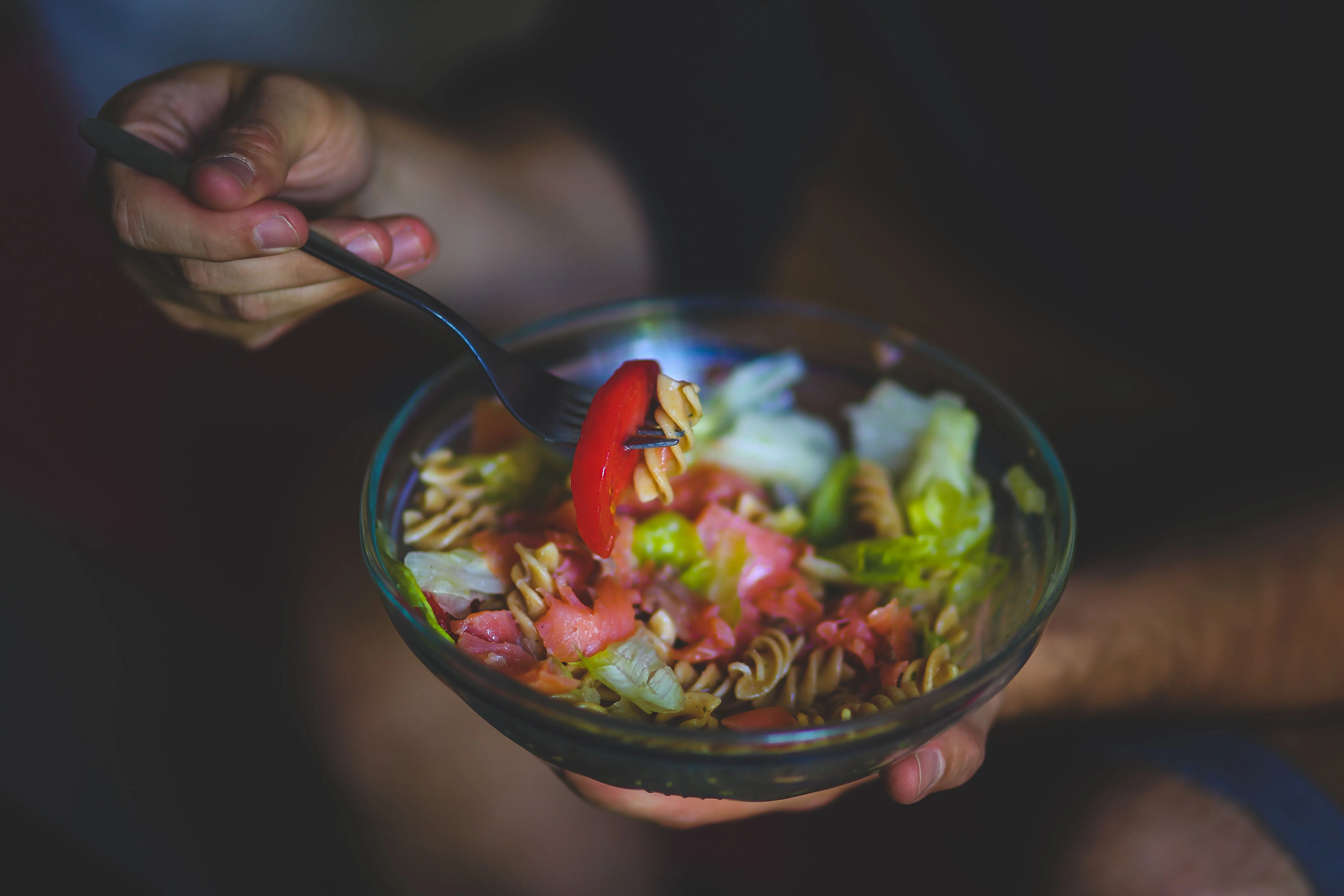
These numbers show how common meal skipping was in the surveyed group, but it’s important to put them in perspective. The study looked at meal-skipping patterns and their associations, while having skipped a meal does not necessarily mean that a health condition will appear.
However, skipping meals regularly may lead to changes in eating patterns and the next foods to be consumed have to be selected with more care. For a student that has to hurry to class, skipping a meal might mean getting a snack from a nearby shop instead of preparing or eating a complete meal.
Some situations are obvious, and a simple solution is to have the time to prepare a meal, or to bring one if the student is able to do so. However, those options are not always available to students at the same time.
Filipino students don’t have the same food options
It can be tempting to think in terms of healthy and unhealthy, but not everyone has the same starting point.
Research that focused on Philippine nutrition has found inadequate nutrient intakes in the diets of Filipino schoolchildren and adolescents, which were more common in those that came from rural areas or poorer families (Angeles-Agdeppa et al., 2019). In practice, food options are not just a matter of what is known to be healthy or unhealthy, but also of income, availability, familial patterns, location, and the time that has to be spent preparing food.
In 2023, UNICEF Philippines reported that due to data gathered in the Expanded National Nutrition Survey of 2021, approximately one third of households in the Philippines could not afford a healthy diet for their children. The same report highlights food prices and the availability of affordable and convenient foods that are considered to be part of the food environment affecting children’s diets (UNICEF Philippines, 2023).
“About one in three households with children in the Philippines cannot afford a healthy diet.”
UNICEF Philippines (2023)

When someone talks about “just eating healthier”, the reality is more complex.
One student may know that vegetables and fruit are good but has few options at school, while another may have healthier options at home but spend most of their day in places where cheaper, highly processed foods are widely available.
The food environment shapes food choices
The environment that surrounds students plays a role in what they eat.
Convenience stores, small shops, fast-food restaurants, vending areas, school canteens, delivery services, and social media are part of the food environment. When something is inexpensive, available, heavily marketed, and easily accessed, then it naturally has a significant impact on choices.
UNICEF’s research on children’s food environment in the Philippines found that children are exposed to environments that promote the consumption of foods high in sugar, salt, and unhealthy fats, and healthier foods can be less accessible and affordable (UNICEF Philippines, 2023).
This has also become part of the wider discussion around nutrition policy for children in the Philippines. In 2026, the National Nutrition Council, UNICEF, and WHO called attention to children’s exposure to marketing of foods and beverages high in sugar, salt, and unhealthy fats. UNICEF reported that its analysis of 1,035 food advertisements targeted at children found that 99% promoted products that do not meet the World Health Organization standards for marketing to children (UNICEF Philippines, 2026).
This doesn’t mean that students are not responsible for their choices, but the environment in which those choices are made is no less important.
Processed foods are not a simple yes/no
“Processed food” is sometimes presented as a category of foods that students should avoid at all times, but that’s not really how nutrition works.
Processing can take a variety of forms: cooking, freezing, drying, fermenting, and packing. What matters more is the overall pattern of eating, especially when highly processed foods high in free sugars, sodium, and unhealthy fats become a large part of the diet.
The WHO recommends diets that are composed of a variety of nutritious foods, including fruits, vegetables, whole grains, pulses, and appropriate sources of protein, while limiting foods and drinks high in unhealthy fats, free sugars, and sodium (World Health Organization, 2026).
That leaves room for the rest of the usual routine.
Having chips after school or drinking a soft drink once in a while won’t eliminate an otherwise varied diet. The problem comes when snack foods and drinks take a more frequent and regular place in eating patterns.
For students, this is probably a better way to think about food than categorizing foods as good or bad.
Knowledge is good, but it isn’t everything
Understanding what a healthy meal is is important, but knowledge only goes so far.
A student may know that vegetables are nutritious but has difficulty buying them all the time, or another student understands the importance of breakfast but can’t get to it when they wake up late. Another student may want to bring food from home but has no practical way of doing so.
This is why nutrition should not be treated as only an individual issue. Schools, families, communities, food vendors, and governments can all influence people’s food choices.
The Philippine meal-skipping study is also a reminder of this. Among the 10,175 school adolescents surveyed in the nationally representative sample, 89.1% reported having been exposed to healthy eating classes at school. However, meal skipping continued to be a common pattern (Pengpid et al., 2025). Obviously, education is important, but it is only a part of the environment that surrounds students.
Building eating habits that actually work
There is no need for a complete overhauling of your habits to fit a certain image.
Instead of looking everywhere, focus on the habits that are most frequent. Do you often skip breakfast because you wake up late? Do you spend most of the school day without a meal? Do sugary drinks take the place of water most of the time? Are fruits and vegetables part of your meals rarely, or never?
Some small changes can be easier to fit into the routine.
Having prepared food ahead of time can help when mornings are rushed, while having simple snacks available can reduce the time that has to be spent without food. Choosing water over other drinks is a way to reduce the amount of free sugar that comes from them, and adding a fruit, vegetable, or another nutritious food to any meal improves the variety of food without requiring you to change everything.
Sometimes, the best way to eat regularly is to just have the time to be making food decisions while not already exhausted and starving.
Foods don’t have to be perfect
Healthy eating can very easily become a source of guilt for students. There are already enough pressures about school, looks, money, and social expectations, without eating becoming another thing that people can feel guilty about.
Food is not only cultural and social. Meals are eaten with family, friends eat together after class, and celebrations have foods that are not chosen for their nutritional value. What matters is being able to create a pattern of eating that gives the body enough food and nutrients while still fitting the student’s life.
For students, that might mean eating breakfast more consistently, adding more variety to the meals, drinking more water, or simply paying more attention to what they eat instead of letting the school schedule choose everything.
There will always be busy days, and there will be fast foods, snacks, and meals that are whatever happens to be available. What matters is the pattern of eating over time.
Sources
Angeles-Agdeppa, I., Denney, L., Toledo, M. B., Obligar, V. A., Jacquier, E. F., Carriquiry, A. L., & Capanzana, M. V. (2019). Inadequate nutrient intakes in Filipino schoolchildren and adolescents are common among those from rural areas and poor families. Food & Nutrition Research, 63. DOI
Pengpid, S., Peltzer, K., Nguyen-Thi, T.-T., & Jayasvasti, I. (2025). Meal skipping among adolescents in the Philippines: prevalence, associated factors, and associations with dietary, mental health, and health risk behavioural outcomes. Nutrition Journal, 24, 58. DOI
UNICEF Philippines. (2023). Children's 'lived experience' of the food environment in the Philippines. Official report
UNICEF Philippines. (2023). Healthier, affordable diets for children key to national development. Official release
UNICEF Philippines. (2026). National Nutrition Council, UNICEF, WHO, partners urge Congress to pass Healthy Food Environment bill to curb rising childhood overweight and obesity. Official release
World Health Organization. (2026). Healthy diet. Official fact sheet