Philippine Communities
Local Environmental Issues
Environmental issues can affect local communities differently depending on the environment they live in, available resources, and even their social structures. Flooding, pollution, waste, climate change, and the loss of natural resources can affect people’s well-being, livelihoods, homes, and daily lives in different ways and to different degrees. Responses also vary by community, depending on local governance and participation.
Environmental issues are local issues
Environmental issues can take different forms in different communities. One municipality may be dealing with ocean waste and fisheries, while another may face local flooding or pollution. Rural communities can face different environmental issues from urban ones: rural areas may depend more on agricultural resources, while urban areas may face challenges related to waste management.
These issues are often interconnected. Waste-management problems can, for example, contribute to blocked waterways and local flooding. In turn, flooding and pollution can affect livelihoods and the availability of resources, including fisheries, agricultural production, forests, and tourism.
The challenges are context-specific: communities do not all face the same environmental issues, and they may not have the same solutions.
Pollution and waste management affect people’s day-to-day lives
Waste management is a prominent challenge in many local jurisdictions. The Philippines generates an estimated 2.7 million tons of plastic waste each year, and an estimated 20% ends up in the ocean. Unsustainable plastic consumption and insufficient solid-waste-management infrastructure contribute to the problem, which poses particular challenges for coastal communities whose livelihoods and daily lives are connected to the ocean (World Bank, Market Study for the Philippines: Plastics Circularity Opportunities and Barriers; DENR, National Plan of Action for the Prevention, Reduction and Management of Marine Litter).
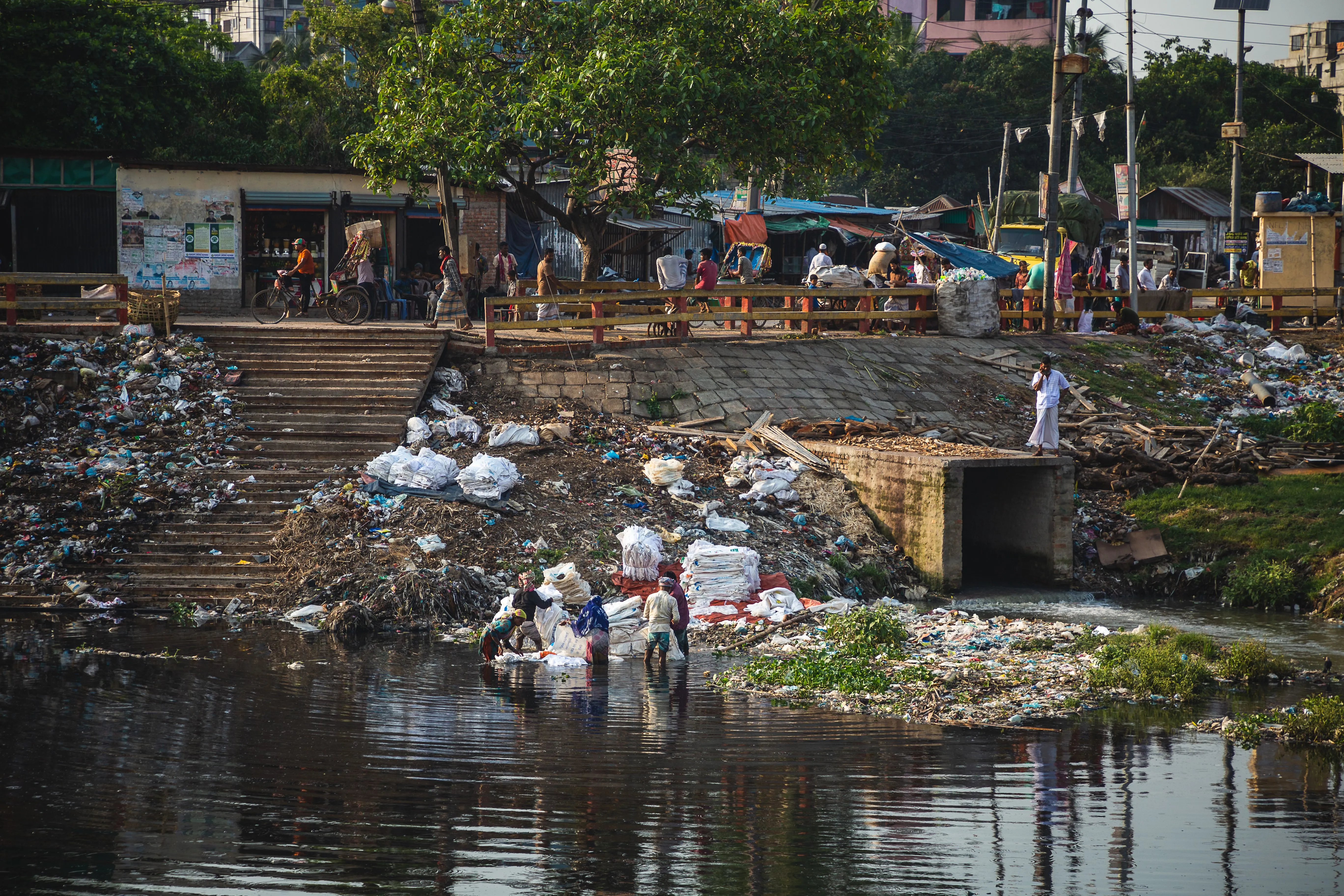

Plastic accumulation in waterways can affect local environments and communities, including tourism and fishing. Addressing waste is complex and cannot be solved by individual action alone. Communities can hold local governments accountable for providing waste-management services, while households and businesses can also reduce unnecessary plastic use. Recycling, reuse, and innovation are further parts of sustainable waste management that involve both private entities and the public.
Local flooding is a community issue
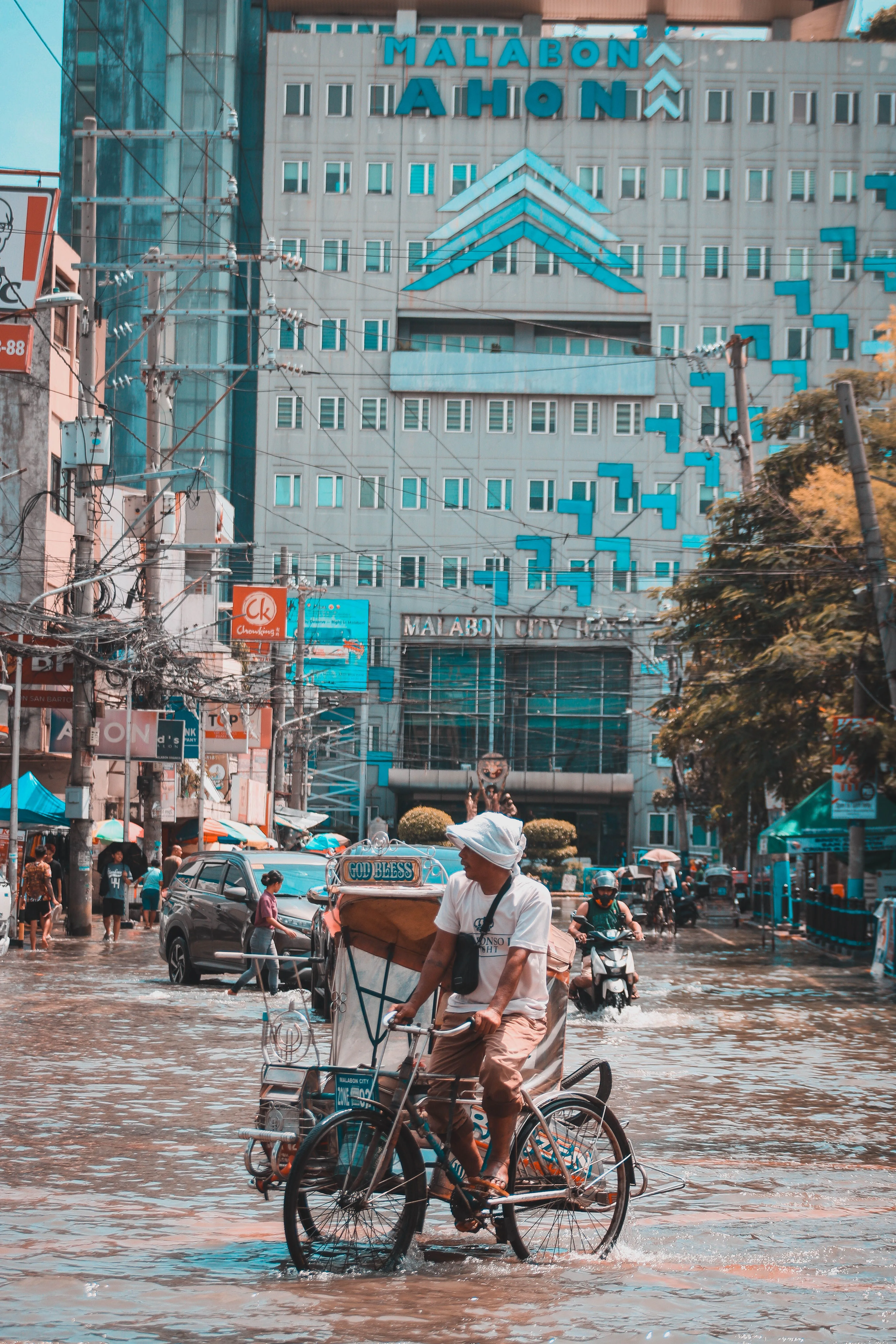
Flooding is a concern in many local jurisdictions in the Philippines. Climate-related hazards such as extreme rainfall, storms, and rising sea levels, combined with local factors such as blocked waterways and inappropriate land development, can increase the risk and severity of flooding. The consequences can range from disrupted transport and business operations to damage to homes and loss of life (World Bank, Philippines Country Climate and Development Report).
The consequences can be particularly difficult for economically disadvantaged populations, who may have fewer resources available for recovery after a disaster. This puts communities, especially those in low-lying areas or near large bodies of water, at risk. Effective flood management is a community concern and should respond to local environments and needs. It is also complex, involving the allocation of funds and resources to plan, build, and maintain infrastructure that helps protect communities.
Local environmental issues require effective governance
Environmental issues can require significant funding and expertise to address. Local and national authorities and relevant government agencies often have responsibilities for disaster response, flood management, and waste services. Communities need local governments to assess situations and deploy resources when necessary. When a response is inadequate, residents can bring their concerns to the authorities or call for improvements.
Recent investigations and policy analyses of flood-control projects have raised allegations of corruption and negligence, as well as concerns about procurement irregularities and poor implementation. These concerns underscore the importance of transparency, accountability, and the effective use of public funds in environmental infrastructure and community protection (UP Center for Integrative and Development Studies, flood-control governance analysis).
Infrastructure only protects communities when it is properly planned, built, maintained, and monitored.
In any case, communities should understand the resources available to them and the responsibilities and capabilities of their local authorities.
Climate change issues require local adaptation
Local governments are increasingly incorporating climate risk assessment, adaptation, and disaster risk reduction into planning. Rising temperatures, heat waves, extreme weather, and rising sea levels can affect local resources and people’s daily lives, with impacts varying according to local environments and economic conditions. Local authorities can use risk assessments and contingency planning to respond to the specific challenges in their areas (Department of the Interior and Local Government, local climate planning guidance; Climate Change Commission, National Climate Change Action Plan 2011-2028).
In the Philippines, funds are available to support local climate adaptation and disaster risk reduction. The People’s Survival Fund is one such mechanism intended to help build climate-resilient communities. Research on local climate finance has examined the fund’s role and the challenges involved in making this support accessible to local governments (PIDS, research on climate finance and the People’s Survival Fund).
Local communities should be local stakeholders
Local environmental issues can affect people in many ways. Flooding, for example, can damage homes and businesses, disrupt transport and business operations, and even lead to loss of life. Communities and their leaders should be involved in finding solutions because they live with the consequences of inaction.
People can consider how environmental issues affect their daily lives. Someone who depends on a local river for fishing or recreation has a direct stake in keeping that waterway clean. Communities and local leaders can play an important role in addressing these issues, alongside government agencies and private entities.
Development has its costs
Local communities must balance development with environmental protection. Development can improve quality of life through roads, housing, businesses, and other infrastructure, but it can also affect land, water, and local ecosystems. Communities can consider the long-term environmental consequences of development alongside its potential costs and benefits for residents and businesses.
Environmental protection and development are not inherently incompatible. Careful planning, infrastructure, and policy can help communities grow while managing risks to the local environment. Addressing potential risks before large-scale development begins is an important part of sustainable development and community growth.
Local communities can make a difference
When environmental issues seem overwhelming, communities may feel powerless to respond. Many local environmental problems can be addressed partly at the community level, even when their broader causes extend beyond the community. Local authorities can act on local concerns while coordinating with national agencies where needed. Reducing waste and protecting waterways and other local resources can contribute to environmental improvements.
Local jurisdictions benefit from understanding the value of community engagement and how to use available resources. Local authorities, communities, government agencies, private entities, and national institutions can work together to address environmental issues.
The Philippines’ environmental problems will not be solved by one policy, initiative, or agency. Addressing them calls for approaches that involve communities, businesses, government agencies, and social institutions such as schools and universities. Functional local governance, responsible development, and resident participation can help communities build an environment that supports their needs.
Environmental issues are community issues because people live with their consequences. It is important to consider how the local environment affects residents, business operations, public resources, and health. A sustainable environment helps protect people as well as land, water, and wildlife.
Sources
World Bank. Market Study for the Philippines: Plastics Circularity Opportunities and Barriers.
World Bank. Philippines Country Climate and Development Report.
Department of the Interior and Local Government. Local climate planning guidance for local governments.
Climate Change Commission. National Climate Change Action Plan 2011-2028.
Philippine Institute for Development Studies. Research on climate finance and the People's Survival Fund.
University of the Philippines Center for Integrative and Development Studies. Flood-control governance analysis.
Department of Environment and Natural Resources. National Plan of Action for the Prevention, Reduction and Management of Marine Litter.