Education
Learning Beyond the Classroom
Some of the most important learning does not take place in the classroom. It can be taught through experiences, activities and conversations with other people.
School Isn’t the Only Place Where Learning Happens
When thinking of learning, the first image that comes to mind is most likely a classroom. Teachers, lessons, books, homework, and tests are part of a regular school day. But students do not stop learning just because they have left the classroom behind.
A student could gain communication skills by joining an organization, learn responsibility by helping out their parents, understand a community issue by participating in an activity, and discover just how hard an activity is through personal experience. These activities may include observation, experimentation, reflection, and applying what the student has learned. This is why learning can take place outside of a formal lesson. It can take place in activities and conversations that give a student the opportunity to employ what they have learned.
The important thing is not necessarily that an activity takes place outside the classroom. The important thing is what a student could learn from it.
Experience Can Teach a Student More Than They Think
There is a big difference between knowing and experiencing.
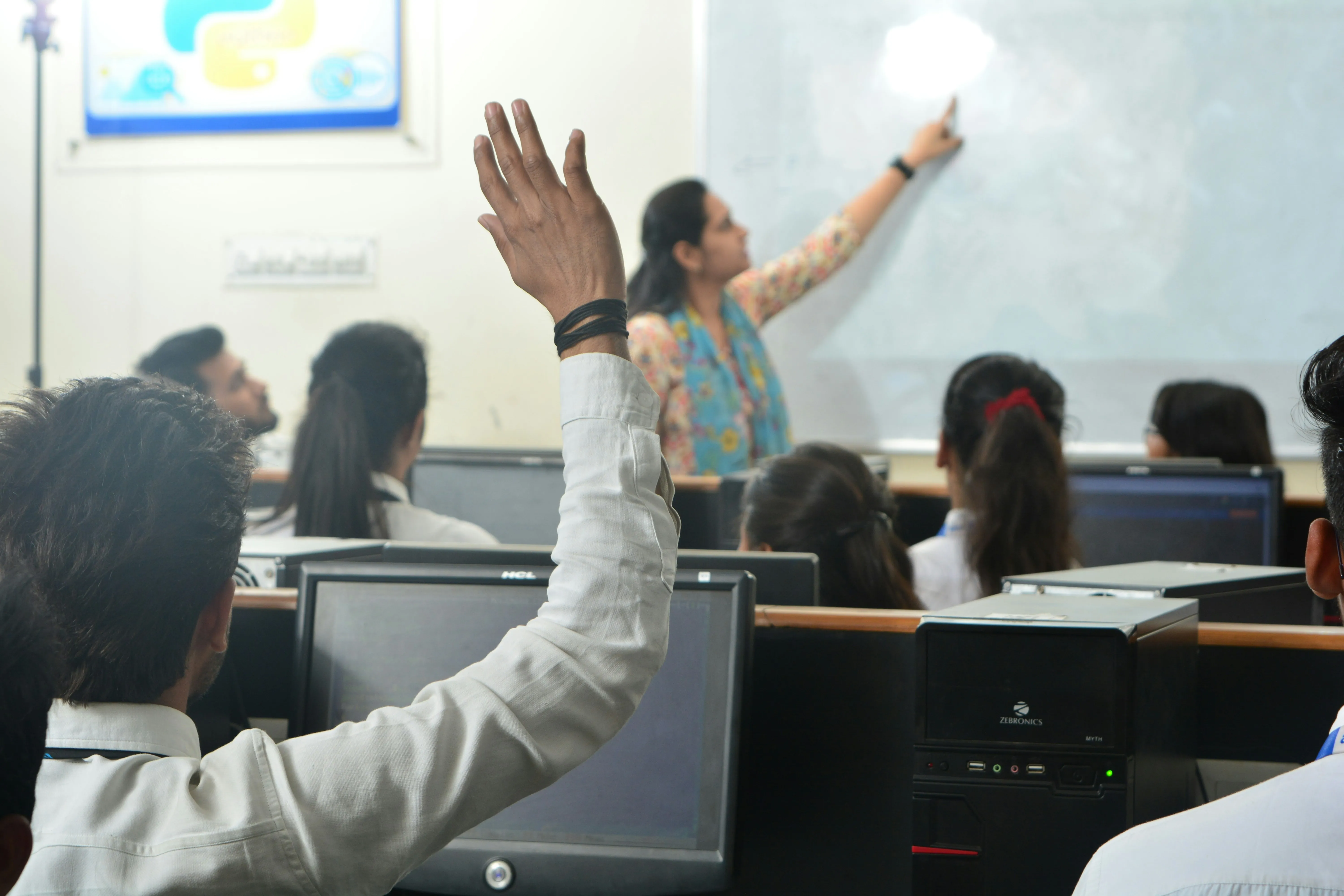
A student may know about a community project, but that does not mean that they will encounter the issues addressed by that project. A lesson may teach a student the principles of communication, but working with other people may cause misunderstandings, differing opinions, and other problems.
This is the core of experiential learning. It concerns the idea that individuals can acquire knowledge and skills through their experiences, reflecting on their actions, and applying their insights to new contexts (Sandoval, 2022).
Philippine research has investigated the concept of experiential learning in a number of ways. A study on the experiential learning cycle in core subjects among Grade 10 students in the Manila Ecclesiastical Province School Association (MaPSA) of the National Capital Region (NCR) found that the activity and reflective phases were seen in the participating classrooms. However, the investigation did not find a significant correlation between the learning cycle and students’ academic performance (Sandoval, 2022).
An important note about that study is that learning through experience should not be seen as a guaranteed method for improving grades. An individual may learn a lot from their experience, but the real-world application of that knowledge may not reflect their knowledge in a measurable way.
Activities Can Teach a Number of Things
Activities are often seen as a diversion from “real” learning if they have nothing to do with the material that will be assessed in an exam.
But joining a club, playing a sport, acting, debating, volunteering, and even organizing an activity can require a student to perform skills beyond rote memorization.
They could require students to communicate with other people, delegate responsibilities, solve problems, manage their lives, make decisions, and continue working despite setbacks.
A study conducted in the Philippines on the effects of extracurricular participation on collegiate students in 2022 examined activities including sports, drama, music, and dance, and their relationships to compassion, academic competence, and commitment. The authors of the article defined extracurricular activities as part of the educational experience and positive youth development for students (Boy et al., 2022).
A more recent study in 2026 investigated basic education learners at a Philippine university and their co-curricular participation and academic performance. It used a correlational design with 220 learners to examine the relationship between co-curricular involvement and academic performance, rather than to establish that participation caused a change in performance (Roxas et al., 2026). Similarly, a 2026 study at a higher education institution in Davao City examined participants’ involvement in community-extension programs. The latter of the three studies, which looked at the involvement of 585 students, found that students found the programs effective and beneficial to their development, though the conclusion was made from the students’ reported perceptions and not a causal experiment (Ontal & Rabang, 2026).
Learning from an activity does not mean an improvement on academics right away. But such activities are still valuable to the development of a student, and can justify their inclusion in an educational experience.
Being Part of a Community Can Be Teaching Too
Learning can also come from interactions with the communities around the student.
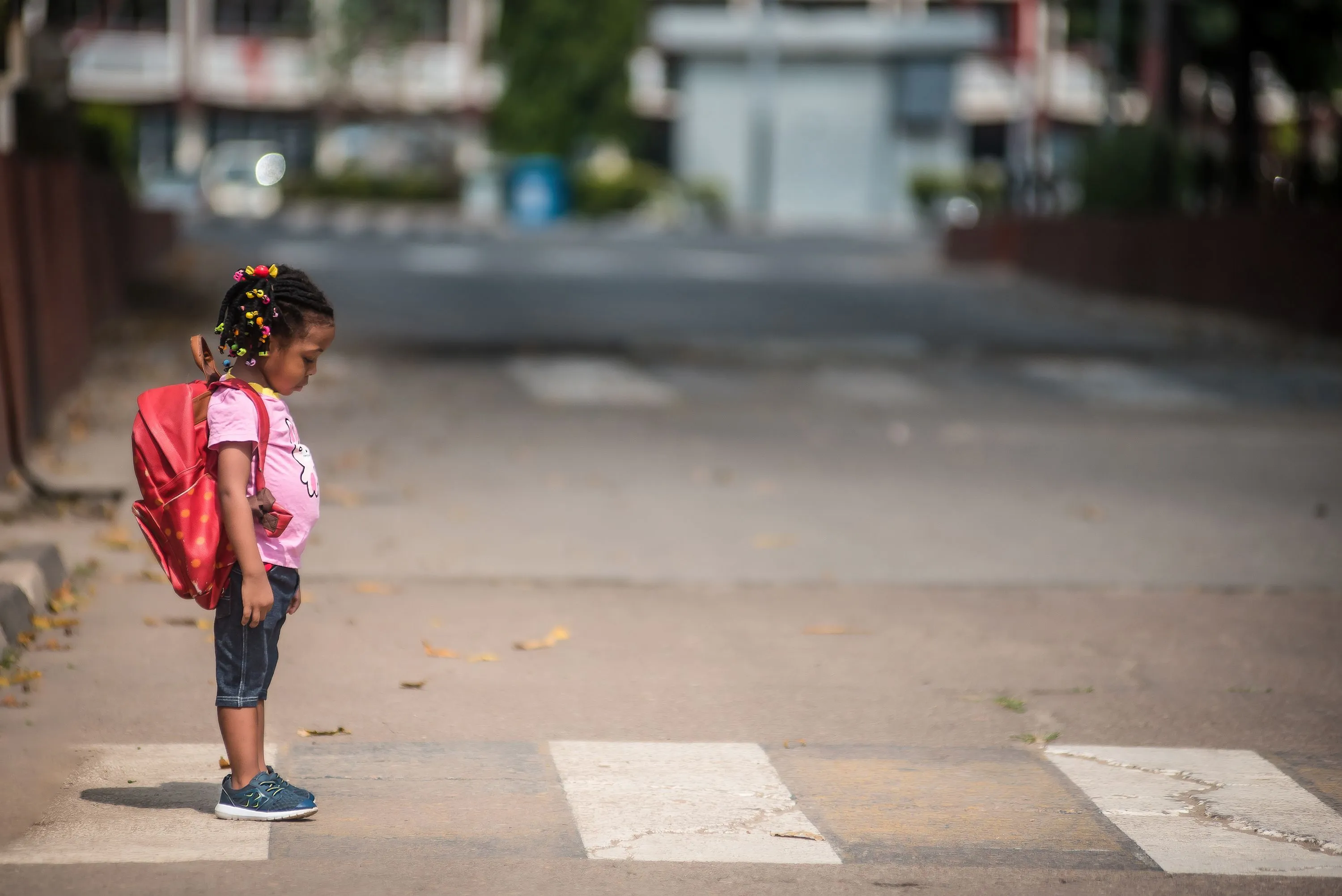
A student may encounter things that would be hard to simulate in a classroom environment, such as local issues, services, businesses, and other people. This can make learning real-world problems relatable and practical, because they are not something that students only learn about in isolation. Similarly to activities, the real-life application of what is learned in a classroom can be more impactful.
This is especially evident in the extension programs of Philippine higher-education institutions, where an effort is made to involve communities in the work of the students. A systematic review conducted in 2026 of Philippine higher-education extension programs synthesized 13 qualitative studies and found themes of empowerment, sustainability, leadership, and skills development for community members. The review noted that effective extension emphasized mutuality between higher-education institutions and communities, rather than communities as receivers of aid from institutions (Angco, 2026).
For students, that can mean the real-world application of classroom knowledge, or the context of a concept learned in a classroom.
Learning Doesn’t Always Happen Through an Activity
Sometimes, an academic discussion can help a student learn more than an activity.
A student can learn from a parent speaking about their work habits, a classmate giving insight into a problem, an elder telling stories, and a friend posing a question that leads to deeper thought.
These conversations can expose students to knowledge and perspectives that would not be found elsewhere.
They can also encourage a student to explain what they know. Asking a question like, “Why does that happen?” or “How did you get that answer?” forces a student to think about what they understand, rather than just recognizing something as true.
This ties into the previously mentioned article about experiential learning. The situations in that study were outside the classroom, but the process was not much different from active learning that many students already participate in. The location and circumstances are different, but many students engage in a similar learning process.
The Internet Is Another Classroom
This is especially true of the internet.
A student interested in photography can look up tutorials all over the world. Someone struggling to understand a concept from math can look for another explanation. A student interested in Philippine history can look through archives, documentaries, and other sources that would not have been found on a single page.
This does not mean that all information online is correct, and the ability to verify facts is what makes learning outside the classroom both a good and a challenge.
The internet has blurred the lines between in-class and out-of-class learning. A student can go from a lesson to a video, article, discussion, tutorial or a forum in just a few clicks.
But finding the information is not the only challenge.
Learning Needs to be Reflected On
There is one big problem with the statement “experience is the best teacher”: the fact that experience does not guarantee learning.
A student engaging in an activity may not reflect on what they have done, and therefore fail to learn from the experience.
They may make repeated mistakes, unable to learn from them, or overlook decisions that had a positive or negative effect on the result. Just completing an activity is not enough for a student to understand what they are doing.
Reflection is what transforms experience into learning.
Reflection is what transforms experience into learning.
After completing an activity, a student can reflect on what they have done. They can identify what went well and what did not, and why. They can reflect on how this activity can apply to what they understand. A teacher can help facilitate this by asking students questions beyond just what they did.
This is why experiential learning is most often referenced as a cycle. It is not a one-time step. The student reflects on their experience, which may lead to a better understanding of a concept, which may affect their actions (Sandoval, 2022).
In short, there is more to doing something than just doing it.
Not Every Experience is Equal
It is tempting to say that a student should take advantage of every opportunity that offers a unique experience. After all, experience is valuable to learning and teaching a student new skills.
But students have a limited amount of time and energy, and an extracurricular activity could cause more stress than it is worth.
The difference an activity can make matters.
A project that challenges a student to solve a problem can be far more useful to their learning than an activity that asks them to follow someone else’s instructions. A community project can develop a student’s communications skills, but students need to have an opportunity to reflect on what they have learned. An extracurricular activity can develop skills, but doing it alone may not be sufficient for a student to acquire those skills. As with the other areas of learning outside a classroom, the purpose should be taken into consideration when looking at the benefits of participation.
This is why the evidence for extracurricular and experiential learning should be taken as a whole. Some studies found a correlation to development and academic performance, while others found little or no correlation to grades. The value of learning beyond the classroom did not necessarily mean a boost to a student’s academics (Boy et al., 2022; Roxas et al., 2026; Sandoval, 2022).
Sometimes it is developing skills, qualities or aspects of intelligence that cannot be measured through a test.
Learning Can Take Place at Home
One of the biggest advantages to learning beyond the classroom is that students often do not realize that they are learning.
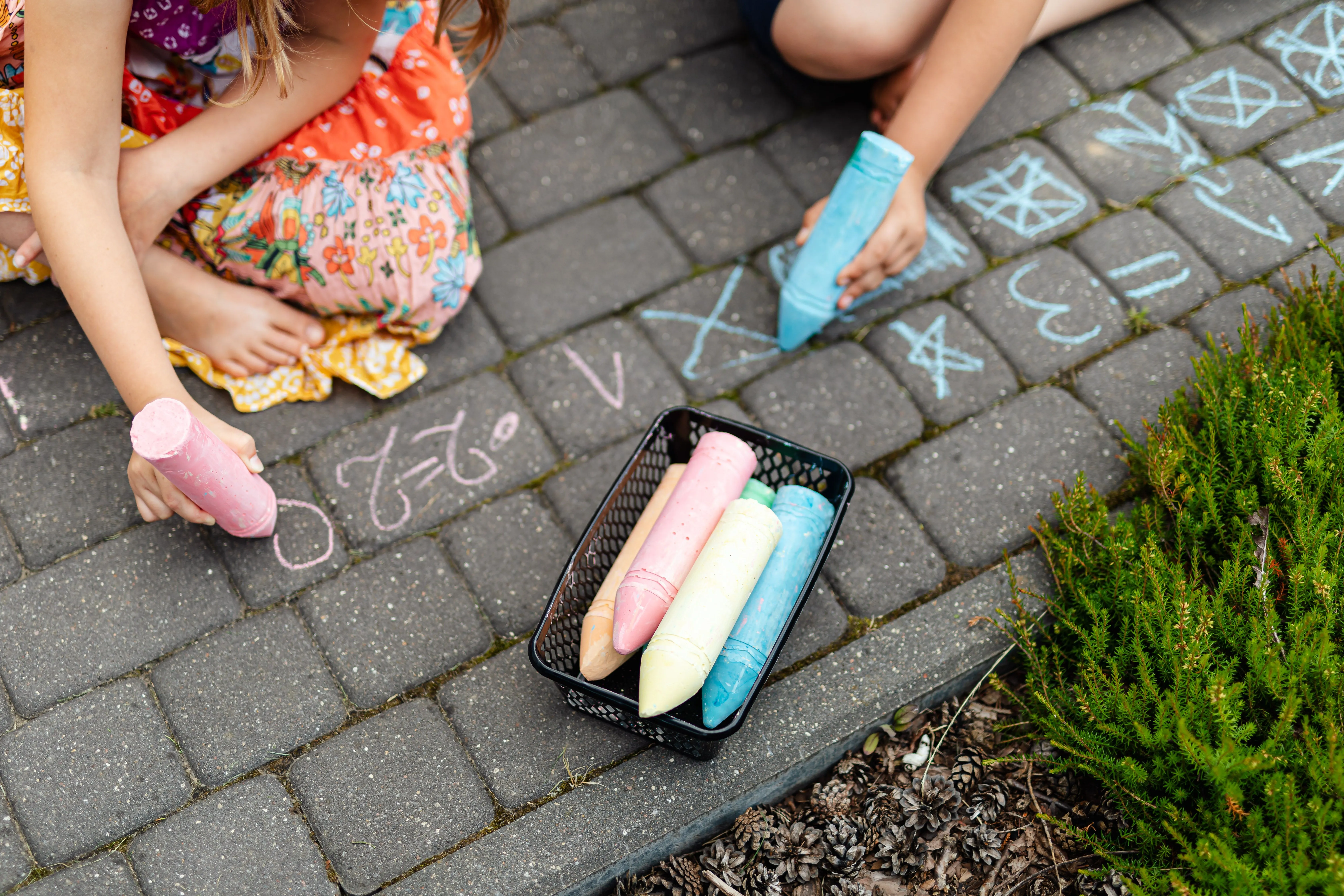
Some examples may include cooking, which involves measurements and sequencing; fixing something, which involves troubleshooting; playing an instrument, which involves practice and feedback. Managing their finances can be a part of managing their life, and helping out at home can be a part of communication. None of these automatically qualify as an educational experience, but a student realizing what they are doing, how it works, and how they can improve can make even these activities an opportunity to learn.
This also means that students should not be limited to learning in a single location, such as at a desk.
What Learning Beyond the Classroom Really Means
Learning beyond the classroom is not about replacing schooling with an activity. Teachers, lessons, books, laboratories, libraries, coursework, and other classroom resources all provide a type of learning that the student cannot just replicate anywhere.
But what takes place outside the classroom can complement, augment, and build upon that structure. A lesson covers a concept, but an activity gives the student the opportunity to use it. A conversation can challenge a student’s understanding of a concept or its real-world relevance. A community experience can show a student why a concept is important. Reflection on an activity can help a student apply a concept to an experience. For me, that is what makes this kind of learning interesting. It is not about making a choice between what a student learns in and out of a classroom. It is about recognizing that a student moves between locations with different learning opportunities.
The classroom may be where a lesson begins or ends, but it is not the only place for learning to take place.
The classroom may be where a lesson begins or ends, but it is not the only place for learning to take place.
Sources
Sandoval, M. A. T. H. (2022). The Evidence-Informed Learning Cycle of Experiential Learning in the Core Subjects and its Relationship to Academic Performance of Grade 10 Students in Manila Ecclesiastical Province School Association (MaPSA), NCR. Education Review, 11(1), 16.
Boy, I. F., Bondoc, M. A. A., Bonifacio, C. A. Q., Bonoan, M. D. R., Bonoan, R. C., & Macindo, J. R. B. (2022). Extracurricular Activity Involvement on the Compassion, Academic Competence, and Commitment of Collegiate Level Students: A Structural Equation Model. Asia-Pacific Social Science Review, 22(1).
Ontal, J. D., & Rabang, J. O. (2026). Impact of Student Involvement in Community Extension Programs: A Philippine Higher Education Study. Asian Journal of Education and Social Studies, 52(3), 444–452.
Roxas, M. J., Roque, E. V. M., Dadivo, J. T., Mariano, P. J. A., & Merenciano, A. (2026). Co-Curricular Involvement and Academic Performance of Basic Education Learners in a Philippine University. Journal of Interdisciplinary Perspectives, 4(4), 143–152.
Angco, R. J. N. (2026). Bridging academia and communities through higher education extension programs in the Philippines: A meta-synthesis toward theory generation. Frontiers in Education, 11.