Health and Lifestyle
Exercise & Physical Activity
Regular physical activity is connected to physical health, mood, energy, and everyday well-being.
What counts as physical activity?
The World Health Organization recommends that children and adolescents aged 5–17 engage in an average of at least 60 minutes of moderate-to-vigorous physical activity across the week (World Health Organization, 2020). Activity can come from sports and exercise, but also from transportation, play, physical education, and household activities.
“Physical activity has significant health benefits for hearts, bodies and minds.”
World Health Organization (2020)
This means the idea of exercise is a bit more broad than it sometimes sounds. You do not need to be an athlete for movement to count. A student who walks part of the way to school, plays a sport with friends, helps out with chores at home, and participates in PE is already getting activity from a number of aspects of their day.
Of course, people do not always have the same opportunities to move - the type of place they live in, how they get to school, their schedule, access to sports facilities, family responsibilities, and even the safety of their neighborhood can all affect how active they can realistically be.
Filipino students and physical activity
The Philippines is a relevant example of this, with the 2022 Philippine Report Card on Physical Activity for Children and Adolescents examining nationally representative data and giving the country an F for overall physical activity, while lower grades were given for active transportation and school-related activity, and insufficient evidence was available to grade several other areas, including organized sport, active play, physical fitness, family and peers, and community and environment (Tudor-Locke et al., 2022).
“The overall physical activity grade was F.”
Tudor-Locke et al. (2022)
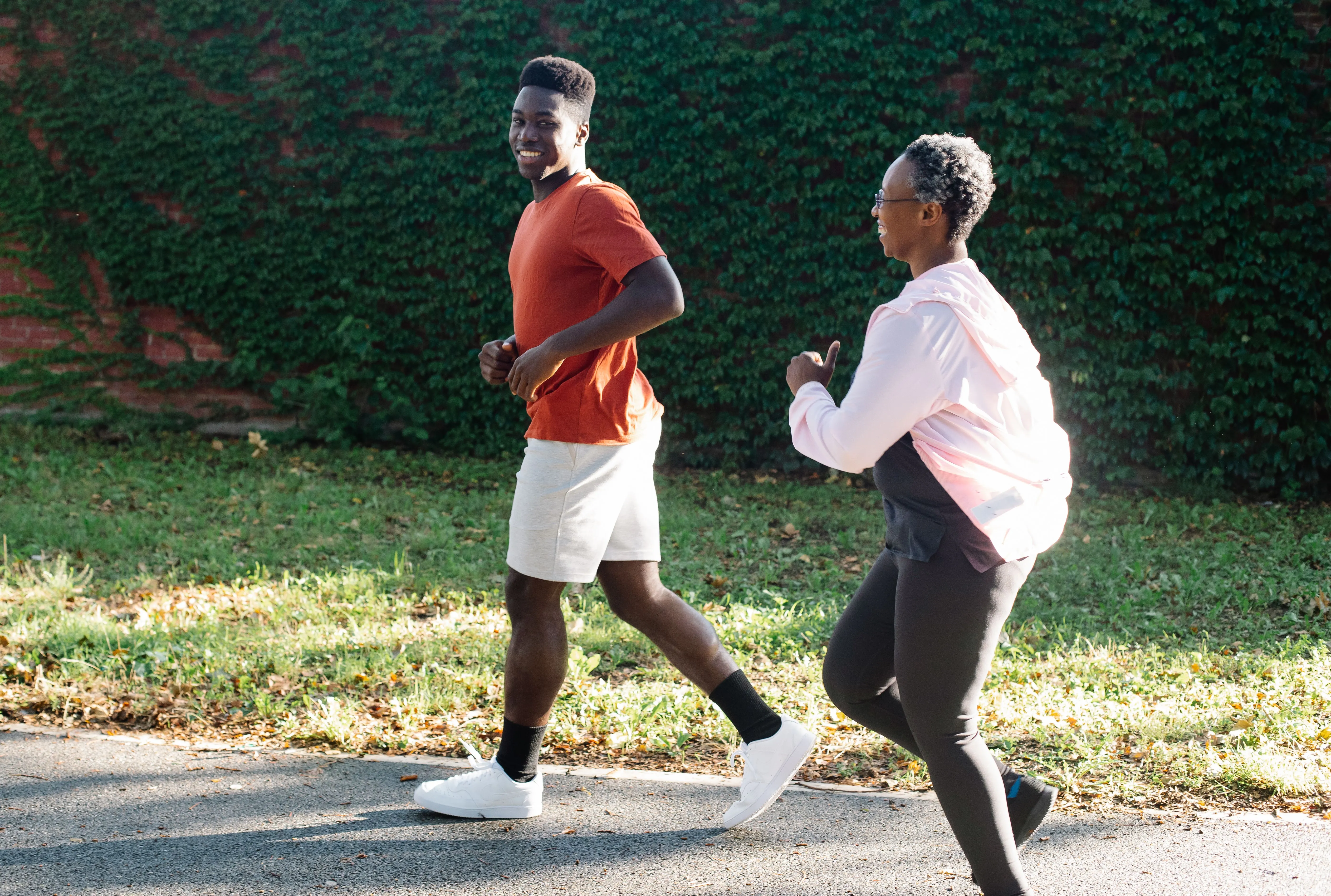
The report highlights that Filipino young people are not entirely inactive - it highlights a larger issue that they are not achieving enough regular physical activity, and the nation does not have enough consistent data to account for all areas.
A 2021 study of 230 high school and college students in Luzon found they had low scores in several healthy-lifestyle components, including exercise and physical activity, and the researchers also found that lifestyle patterns varied alongside factors such as perceived economic status, school-life satisfaction, happiness, and health status (Dungog et al., 2021).
When we talk about a student’s exercise, it is worth considering that they may not have the same motivations. A student with a busy schedule and a far commute has a different set of possibilities than one with easy access to a sports facility and plenty of free time.
Movement does more than build fitness
The obvious reason for physical activity is physical health.
Regular activity supports cardiorespiratory and muscular fitness, bone health, and several aspects of cardiometabolic health.
The WHO guidelines also associate physical activity in children and adolescents with cognitive and mental-health benefits, including academic performance, executive function, and reduced symptoms of depression (World Health Organization, 2020).
The academic aspect is interesting, but we need to be careful not to make an absolute claim - exercising does not automatically result in getting better grades.
Research shows a small or mixed relationship rather than a magic boost. A 2020 umbrella review of systematic reviews and meta-analyses found that physical activity was not detrimental to academic achievement and may have beneficial effects, although the size and consistency of those effects varied across studies (Barbosa et al., 2020).
“PA was not detrimental to academic achievement and may have beneficial effects.”
Barbosa et al. (2020)
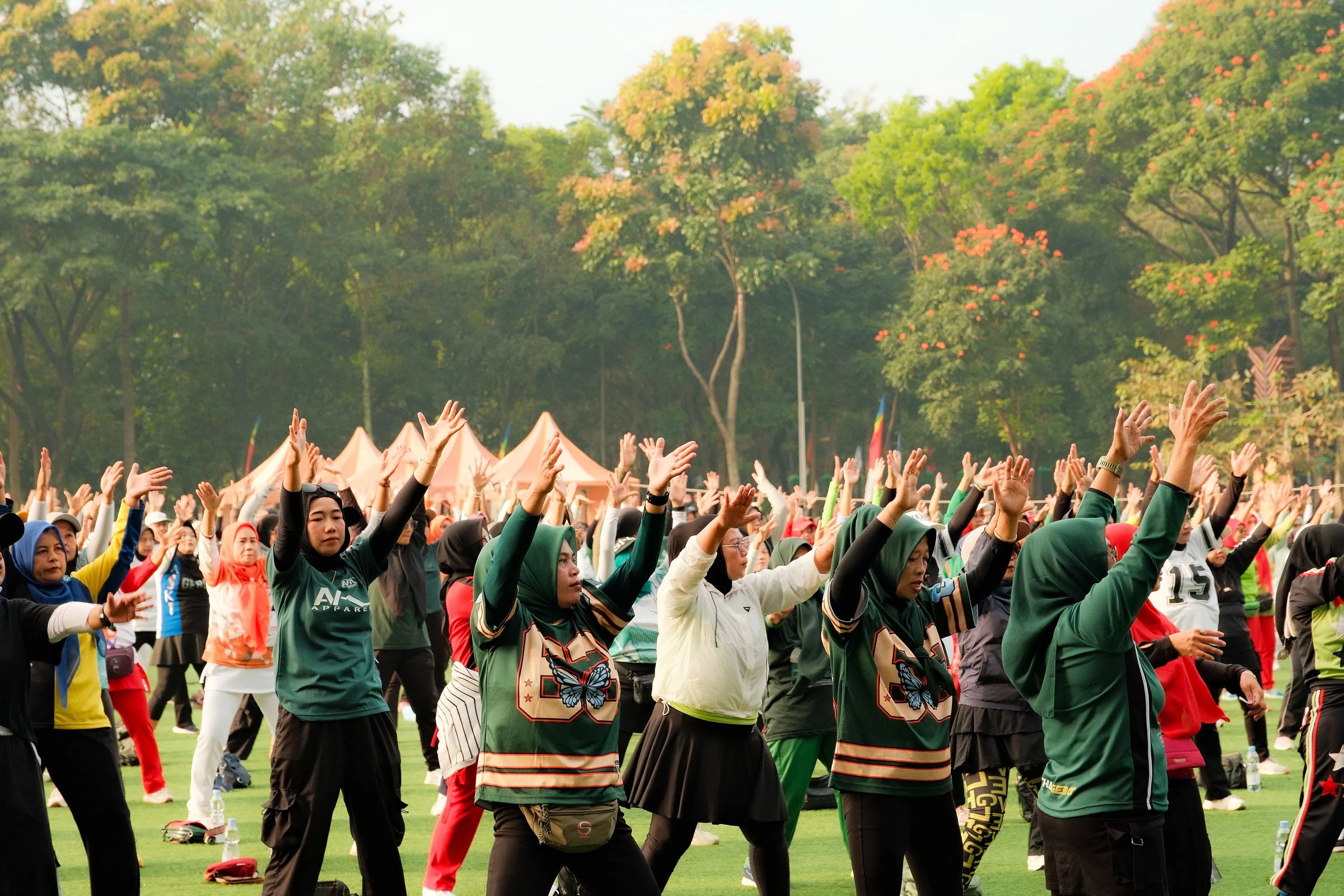
More recent research has come up to similar, but slightly more specific, conclusions. A 2025 systematic review and meta-analysis found positive effects of school-based physical activity programs on overall academic achievement and mathematics, although substantial variation between studies was reported (He et al., 2025).
Exercise does not have to mean a workout
One reason people struggle with exercise is the idea that it only counts if it happens in a dedicated session. If you do not have an hour free to run or lift weights, it can feel like there is no point to doing anything.
Physical activity can be split up throughout the day.
Walking instead of taking a vehicle for a short trip, taking the stairs, playing a sport with friends, helping with physically demanding chores, and taking a short break between study sessions can all add movement to an otherwise sedentary day. For adolescents, the WHO recommendation is an average across the week rather than a requirement that every minute of activity happen in one uninterrupted workout (World Health Organization, 2020).
School can make a difference
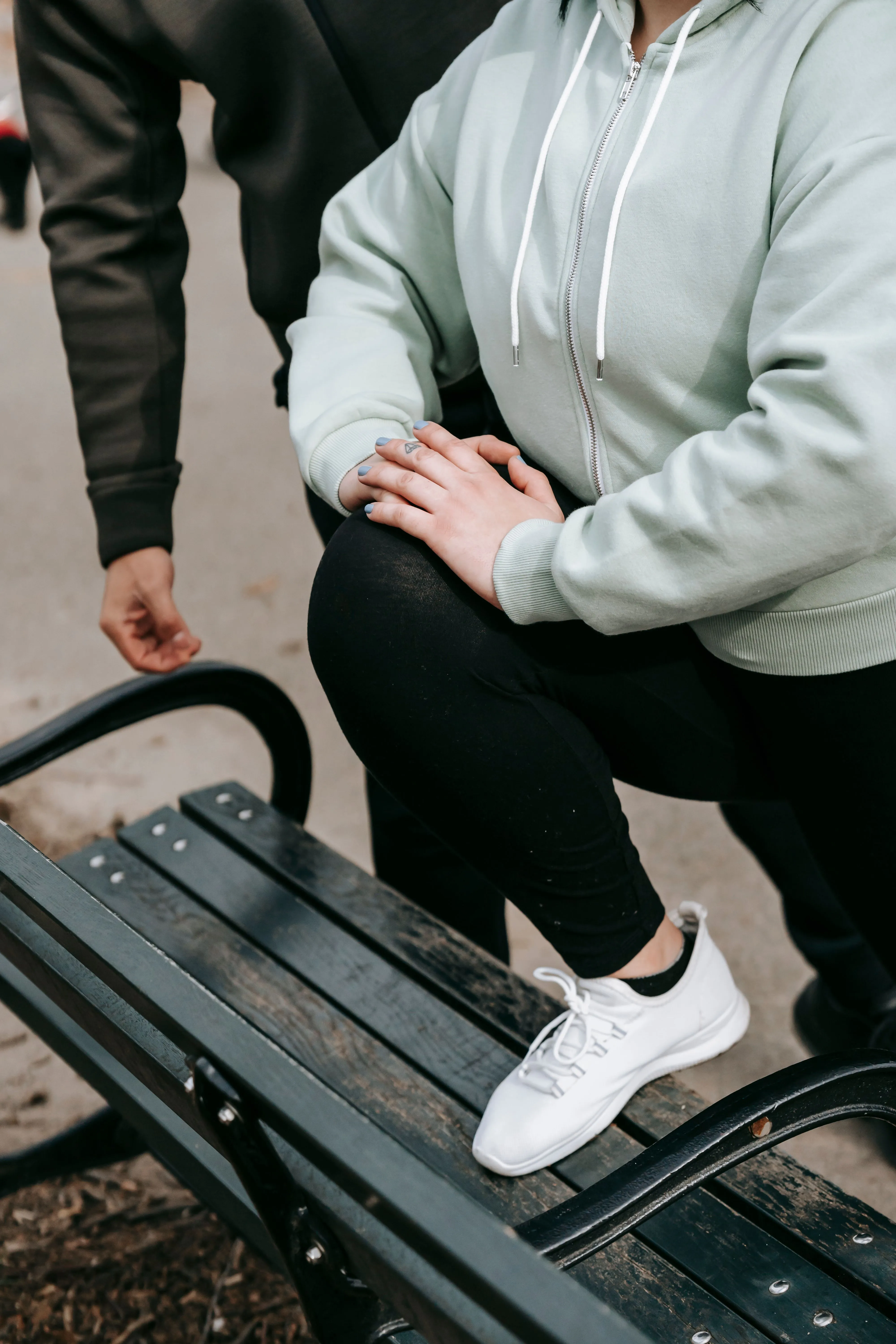
Schools are one of the places where students spend a lot of their day, and naturally have a role in physical activity. PE classes are one obvious opportunity, but the school environment can also affect whether students spend the rest of the day sitting or moving.
This makes a difference because school-based interventions can be effective, although the evidence is not uniform. A 2024 systematic review and meta-analysis of secondary-school interventions found that whole-school approaches, including physical activity sessions, environmental changes, teacher training, peer support, and educational resources, were associated with favorable outcomes across several areas. However, the pooled effects of these interventions on physical activity were generally small and not statistically significant, showing that changing student behavior at scale is not especially easy (Contardo Ayala et al., 2024).
That is an important distinction. Telling students to exercise is easy, but creating an environment where movement is actually practical is harder.
Finding something you can actually keep doing
There is no one best exercise for students. Running might work for one person and be miserable for another - someone else might prefer basketball, dancing, cycling, swimming, walking, bodyweight exercises, or a sport played with friends.
Enjoyment matters because a routine that feels completely miserable is difficult to maintain.
It also helps to start smaller than the ideal version in your head. If you have spent most of the week sitting, deciding that you are suddenly going to exercise intensely every day is not the most realistic way to start. A short walk, a few minutes of movement between study sessions, or playing a sport once or twice a week can be a more manageable starting point.
The goal is not to make every student follow the same routine - it is to make regular movement part of normal life.
Making room for movement
Student schedules can get crowded quickly. There are classes, assignments, exams, commuting, family responsibilities, friends, and the temptation to spend whatever free time remains on a phone or computer.
This is why physical activity can be easier to maintain when it is tied to something you already do. Walking while running an errand, taking a short break after finishing a study block, playing a sport with friends, and choosing an active way to travel can make movement feel less like another assignment on the schedule.
Also, if a day gets busy, missing one workout does not mean the whole routine has failed. Health habits are built over time, not decided by one perfect week.
For students, exercise may be most useful when it stops feeling like a separate project and starts becoming part of everyday life.
Sources
Barbosa, A., Whiting, S., Simmonds, P., Moreno, R. S., Mendes, R., & Breda, J. (2020). Physical Activity and Academic Achievement: An Umbrella Review. International Journal of Environmental Research and Public Health, 17(16), 5972. https://doi.org/10.3390/ijerph17165972
Contardo Ayala, A. M., et al. (2024). Effectiveness of Intervention Strategies to Increase Adolescents' Physical Activity and Reduce Sedentary Time in Secondary School Settings, Including Factors Related to Implementation: A Systematic Review and Meta-Analysis. Sports Medicine - Open. PubMed
Dungog, R. J., Tamanal, J. M., & Kim, C. H. (2021). The Assessment of Lifestyle Status among High School and College Students in Luzon, Philippines. Journal of Lifestyle Medicine, 11(2), 57–65. https://doi.org/10.15280/jlm.2021.11.2.57
He, Y., et al. (2025). Effects of school-based physical activity on academic achievement in children and adolescents: a systematic review and meta-analysis. European Journal of Pediatrics. PubMed
Tudor-Locke, C., et al. (2022). Results from the Philippines' 2022 report card on physical activity for children and adolescents. Journal of Exercise Science & Fitness. PubMed
World Health Organization. (2020). WHO Guidelines on Physical Activity and Sedentary Behaviour. Official publication