Health and Lifestyle
Everyday Habits & Healthy Routines
Small everyday habits can become routines that contribute to health and quality of life.
Everyday habits are important
Health is not solely a result of illness and decision-making on exercising. It is embedded in the everyday habits and actions people take: sleeping, eating, exercising, drinking water, and the activities performed between waking up and going to bed.
As such, it is especially relevant for the adolescent years: The World Health Organization (WHO) specifically describes adolescence as a period which sees the development of behaviour patterns around diet, physical activity, and other domains of health that influence later health outcomes, while also recognizing the role of supportive environments (World Health Organization, 2024).
“The behaviours established during adolescence can shape health and well-being in later life.”
World Health Organization (2024), Adolescent health
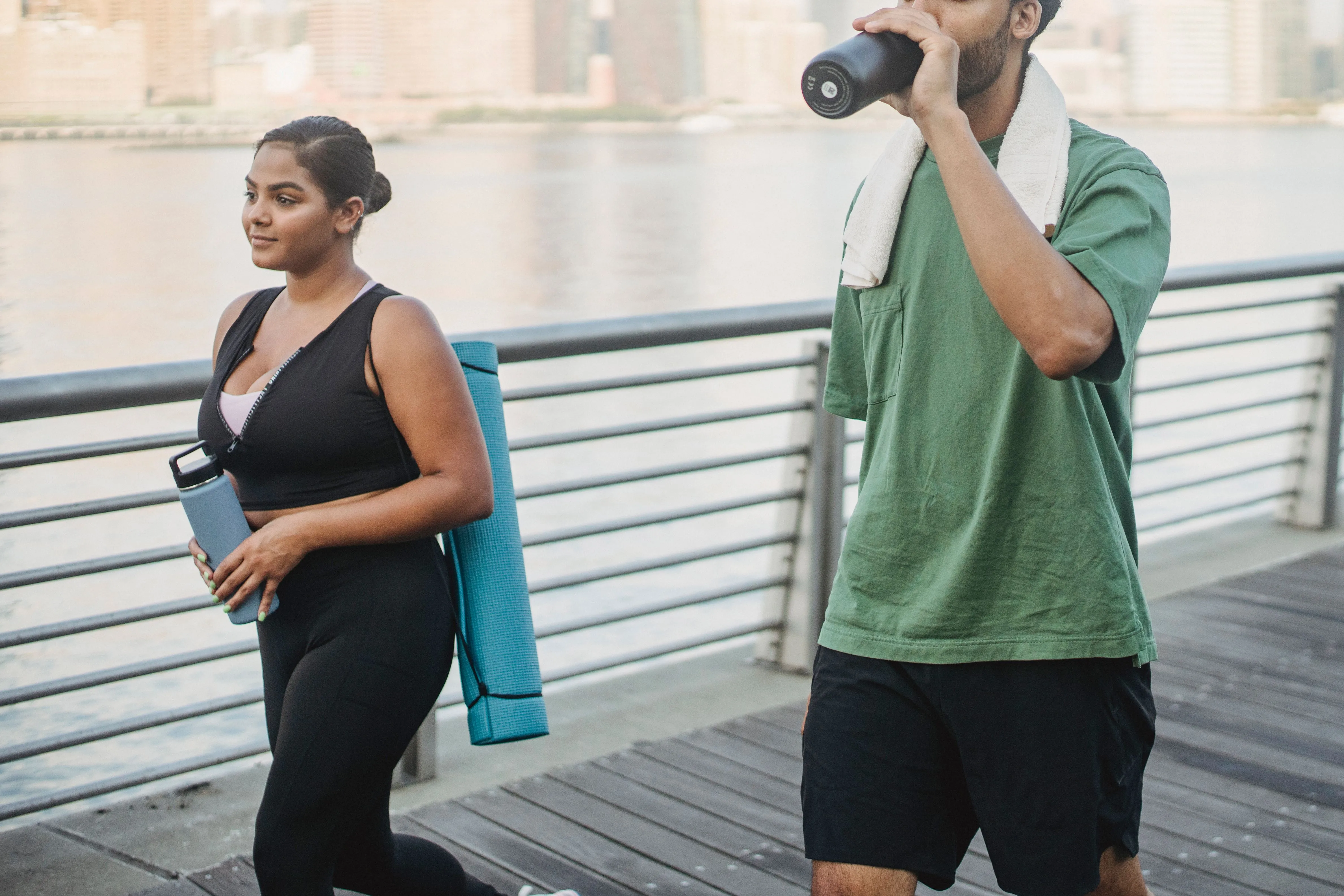
This does not mean that every student must devise a rigorous routine to follow. After all, classes can end late, assignments can pile up, someone can stay up watching videos, or simply wake up unable to perform the thing they had planned to do that day.
The purpose of a routine is not to be perfect, but to have a few habits as pillars of a person’s everyday life.
The small things add up
Some healthy habits are so mundane that it can be easy to overlook them.
Drinking enough water is one common example. Another is getting enough physical activity during the day. Eating regular meals, getting enough sleep, taking movement breaks, and making time to perform basic self-care are all habits that, separately, can seem unimportant.
Habits form a routine through repetition.
A 2021 study conducted on 230 high school and college students in Luzon found general low levels of healthy lifestyle indicators, including for rest, exercise, nutrition, water, and other domains of everyday life (Dungog et al., 2021). The study was relatively small and cross-sectional, and therefore cannot be entirely representative of all Filipino students, but it illustrates how different areas of student life can come together in an overall picture of healthy-lifestyle behaviour.
“The overall lifestyle status of the respondents was low.”
Dungog, Tamanal & Kim (2021)
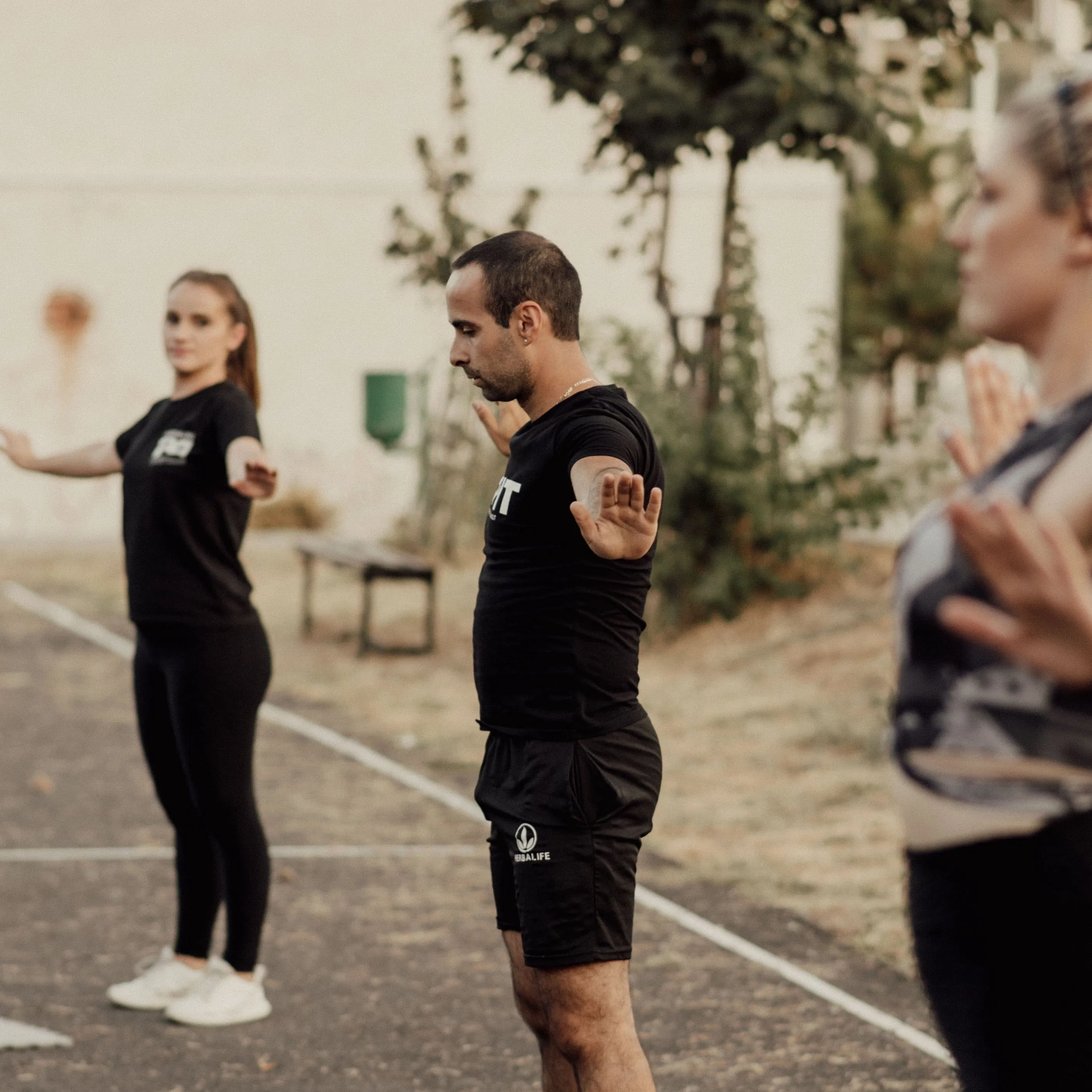
Sometimes, the issue is not with one obvious unhealthy habit, but with a number of smaller ones which slowly shift a person’s routine.
Sleep is an important part of the routine
Sleep is probably one of the easiest habits for a student to sacrifice when their school life gets busier.
To finish an assignment, watch one more video, chat with friends, or simply spend more time on their phone, a student can stay up later than they would have intended. One such occasion is not a long-term issue, but when staying up late becomes part of the routine, it can begin to negatively affect a student’s life.
WHO identifies healthy sleep as one of the behaviours relevant to adolescent mental health.
This is also why a routine does not necessarily have to begin in the morning, but can begin the night before: having a roughly consistent bedtime, preparing things for the morning before going to bed, or giving oneself some time before bed without schoolwork can all help a student prepare to go to sleep.
Not every student will be able to plan their routine around the same considerations, however, due to their commuting, obligations, or family life.
What matters is making time to sleep rather than saving the time for other things.
Movement does not need to be elaborate
Exercise is a routine many students think of as extremely demanding. However, physical activity encompasses a number of different activities involving moving parts of the body.
Physical activity includes not just exercises and workout regimens, but walking, cycling, sports, active recreation and play, and physical household activities. WHO notes that some physical activity is better than none, and that children and adolescents should limit sedentary behaviours, particularly recreational screen time (World Health Organization, 2024).
“Some physical activity is better than doing none.”
World Health Organization (2024), Physical activity
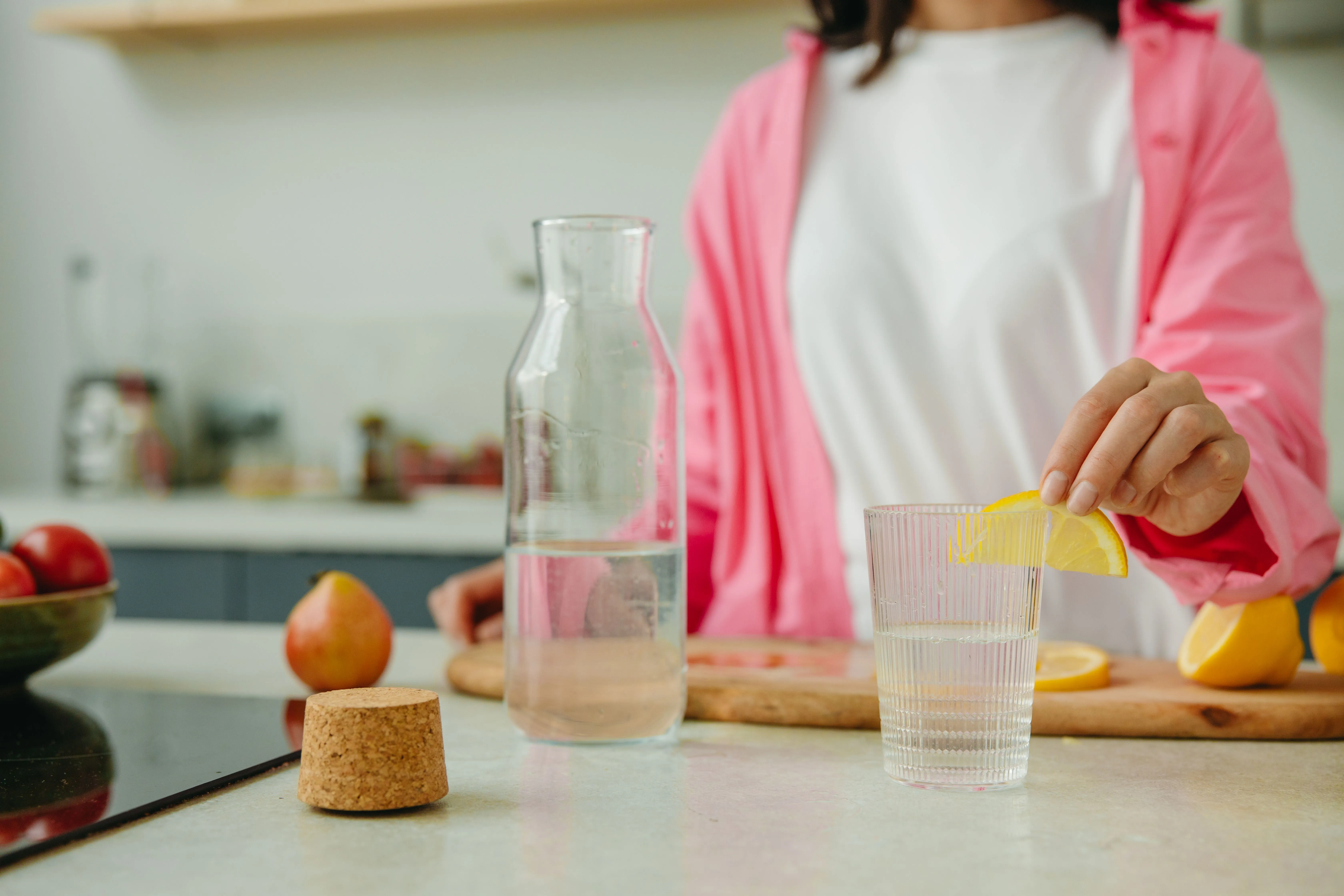
For students, this can mean walking to school, taking a movement break, playing a sport, doing chores, or participating properly in PE.
It does not mean that a short walk has the same benefits as any other form of exercise. Different activities have different effects, and the WHO recommendations continue to advise on the amount and intensity of exercise adolescents need to engage in.
The point is simply that movement does not need to happen as part of a workout.
Screens can become a part of every routine
Phones and computers are now an intrinsic part of the student’s life, and asking them to simply stop using screens is not particularly realistic. Screens are used for schoolwork, communication, entertainment, and everything in between.
The more relevant question is what a student uses a screen for, or how much time they spend on it through the day.
WHO advises limiting sedentary behaviours in children and adolescents, particularly recreational screen time. The WHO review found associations between sedentary behaviour and several health outcomes, although the strength of the evidence varies depending on the behaviour and outcome being measured (World Health Organization, 2020).
The distinction is important, in that using a laptop to finish an assignment is not the same as spending hours watching short videos in bed. While both keep a person sitting and looking at a screen, they accomplish quite different tasks.
For some students, a useful habit is simply putting the phone away when they eat, or avoiding recreational scrolling when it is time for them to sleep.
Habits can be flexible to real life
One common reason for people failing to develop a routine is designing it around an unrealistic version of their everyday life.
They wake up early, exercise for an hour, eat perfectly, study for several hours in the correct postures, read before bed, and sleep at exactly the right time. That is a very impressive routine.
The problem is that it rarely takes into account what a student’s real life is like.
Students have all sorts of responsibilities, commutes, and expenses, and may have much less free time than they thought. What works for one person who lives near school might not work for another who needs to spend hours on the road already each day.
That is why habits are easier to form when they can be incorporated into other existing things in a person’s routine. Drinking water can become a habit during meals. Walking can become a habit when leaving for school. A short movement break can become part of study breaks. Preparing things at night can become a habit that reduces stress in the morning.
The routine simply needs to be something you can actually maintain.
You do not have to change everything at once
When people decide to change their lifestyle and become healthier, it can be tempting to change everything on the same day. They wake up earlier, exercise for an hour, eat perfectly, study more, read before bed, and go to sleep earlier every day.
The issue is that it can become difficult to follow such a routine when their school gets busier again.
It can help to instead start forming new habits one or two at a time. It can be the change of going to bed earlier, or to drink more water during the day. It can be taking a short walk instead of sitting during each break. Once a new habit is familiar, another can be formed.
It can also be helpful not to see a day where nothing goes according to the routine as a failure. The point of a routine is to make everyday life easier.
Every student has a different routine
There is no single routine all students must follow.
While some students are more active by nature, others have responsibilities at home, or need to spend long hours commuting to school. Some students have access to facilities to play sports, others do not. Some can dedicate a space and time to study, others share a space with multiple family members.
These differences matter, because health is not just a matter of individual choices. WHO’s adolescent health guidance highlights the importance of supportive environments, as well as information and opportunities for adolescents to participate in healthy behaviours (World Health Organization, 2024).
Which is why “just be disciplined” is not always the most useful advice. The ability of an adolescent to develop a healthy routine depends on the environment around them, and discipline alone may not help if there are too few opportunities.
A realistic routine takes their limitations into account.
The point is to have a routine you can live with
Healthy habits are often presented as an all-encompassing lifestyle change. In reality, they are much less dramatic. Getting enough sleep, eating regular meals, drinking water, and getting physical activity are healthy habits for anyone, and taking breaks, reducing prolonged sitting, and giving yourself time to recover between demanding activities can also support a healthier routine.
However, none of these things will ensure that a student has perfect health, or make up for all the problems a student may have.
No single habit is enough to solve a complex issue. A routine is meant to support a person’s everyday life, not become a burden in itself.
The best routine is not necessarily an amazing one: it is one a student can sustain for an average week of classes, assignments, responsibilities, and everything else that makes up life.
Small everyday habits may seem unimportant, but over time, become a part of life.
Sources
Dungog, R. J., Tamanal, J. M., & Kim, C. H. (2021). The Assessment of Lifestyle Status among High School and College Students in Luzon, Philippines. Journal of Lifestyle Medicine, 11(2), 57–65. DOI
World Health Organization. (2020). WHO Guidelines on Physical Activity and Sedentary Behaviour. Official publication
World Health Organization. (2024). Adolescent health. Official health topic
World Health Organization. (2024). Physical activity. Official fact sheet
World Health Organization. (2024). Mental health of adolescents. Official fact sheet