Environment
Environmental Action & Communities
Environmental action can take many forms, from individual choices to efforts led by schools and local communities.
Individual action matters - but it has limits
Environmental action is often described as a list of personal choices: use less plastic, save water, switch off unused lights, take public transport, or join a cleanup. Those choices can matter, but the list can make environmental problems sound like they are mainly the responsibility of individuals. The choices people can realistically make are shaped by the services and systems around them: how goods are packaged, whether public transport is available, how waste is collected, and whether neighborhoods have the infrastructure to manage environmental risks.
The IPCC’s review of climate mitigation makes a similar point. It describes individual choices as one part of demand-side action, alongside social norms, institutions, and the infrastructure that makes lower-impact choices possible. Its assessment emphasizes that these drivers work together, rather than treating behavior as separate from the conditions in which people live (IPCC, 2022, ch. 5).
“Changes in infrastructure, technology and social norms can enable or constrain individual choices.”
IPCC (2022)
That distinction is useful beyond climate action. A household can sort its rubbish, but it cannot by itself build a materials recovery facility or ensure that separate waste streams stay separated after collection. People can care for a nearby waterway, but they cannot alone address every source of pollution upstream. Personal responsibility matters, though it is not a substitute for shared services and public decisions.
Schools can turn environmental learning into practice
Schools are communities in their own right. They use energy and water, produce waste, and bring students together around shared spaces and routines. That gives them practical ways to connect lessons about the environment with what happens on campus and in the surrounding community.
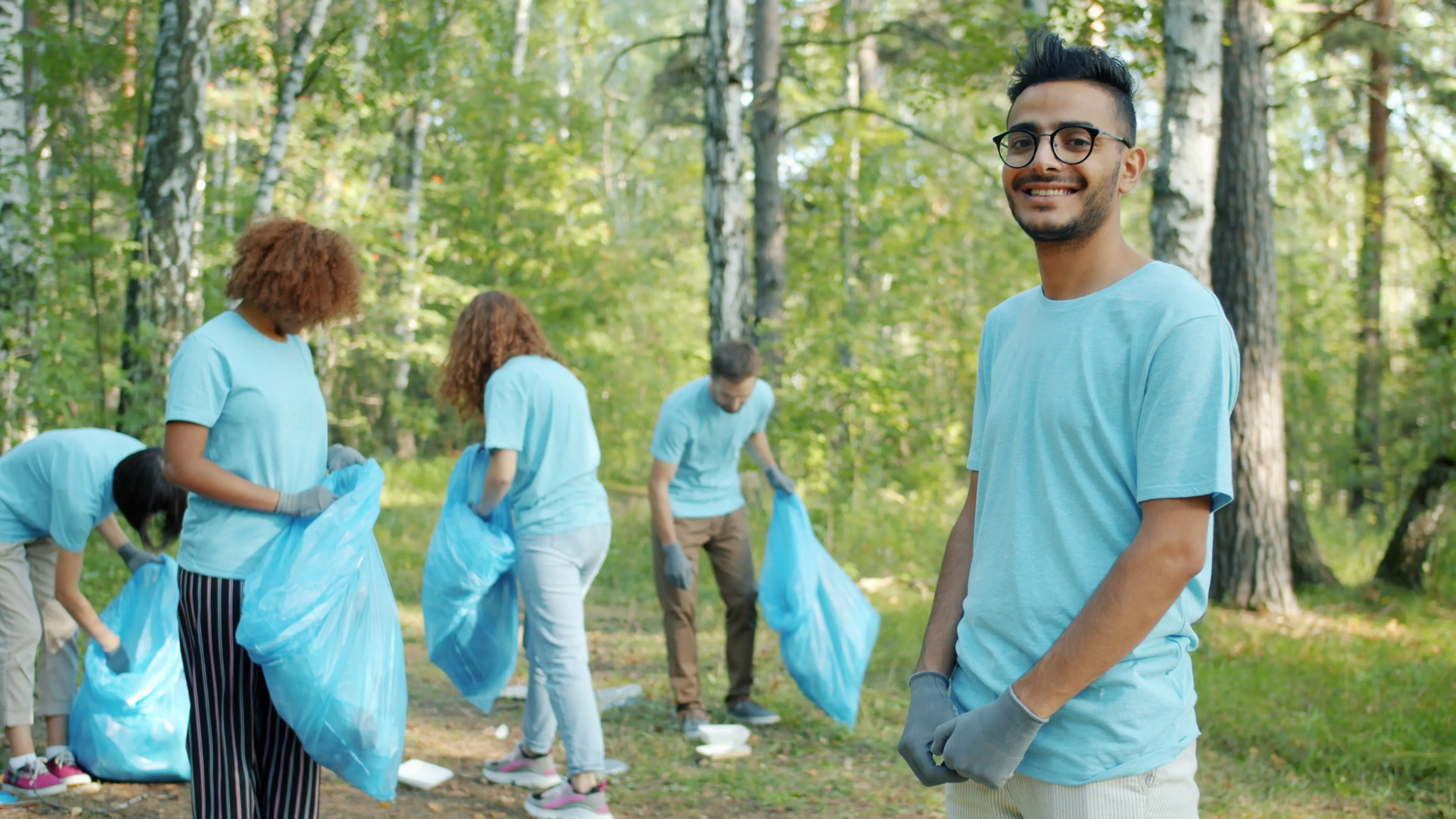
Philippine law makes education part of that work. Republic Act No. 9003 calls for environmental concerns and waste-management principles to be integrated into formal and non-formal education, and for public information efforts to promote community-based solutions (Republic Act No. 9003, 2000, secs. 55-56). A class might study where its waste goes, while a school can make sorting, reuse, or conserving water part of ordinary routines rather than an occasional campaign.
The important part is follow-through. A student-led activity can draw attention to a problem, but a lasting change also needs someone to maintain it, clear responsibilities, and a system that can support it. A recycling drive, for example, is less useful if materials are sorted at school but later collected as mixed waste. Environmental learning becomes more concrete when students can see how their actions connect with the decisions of the school and local authorities.
Community action depends on more than good intentions
People who live in a place often know details that are easy to miss from outside it: where water pools after heavy rain, which shore is accumulating rubbish, or how a change in land use affects a nearby stream. That knowledge can help communities identify priorities and decide what kind of action fits their circumstances. But participation is not just attendance at a meeting or a volunteer day. People need a real part in decisions that affect their surroundings, and enough support to keep the work going.
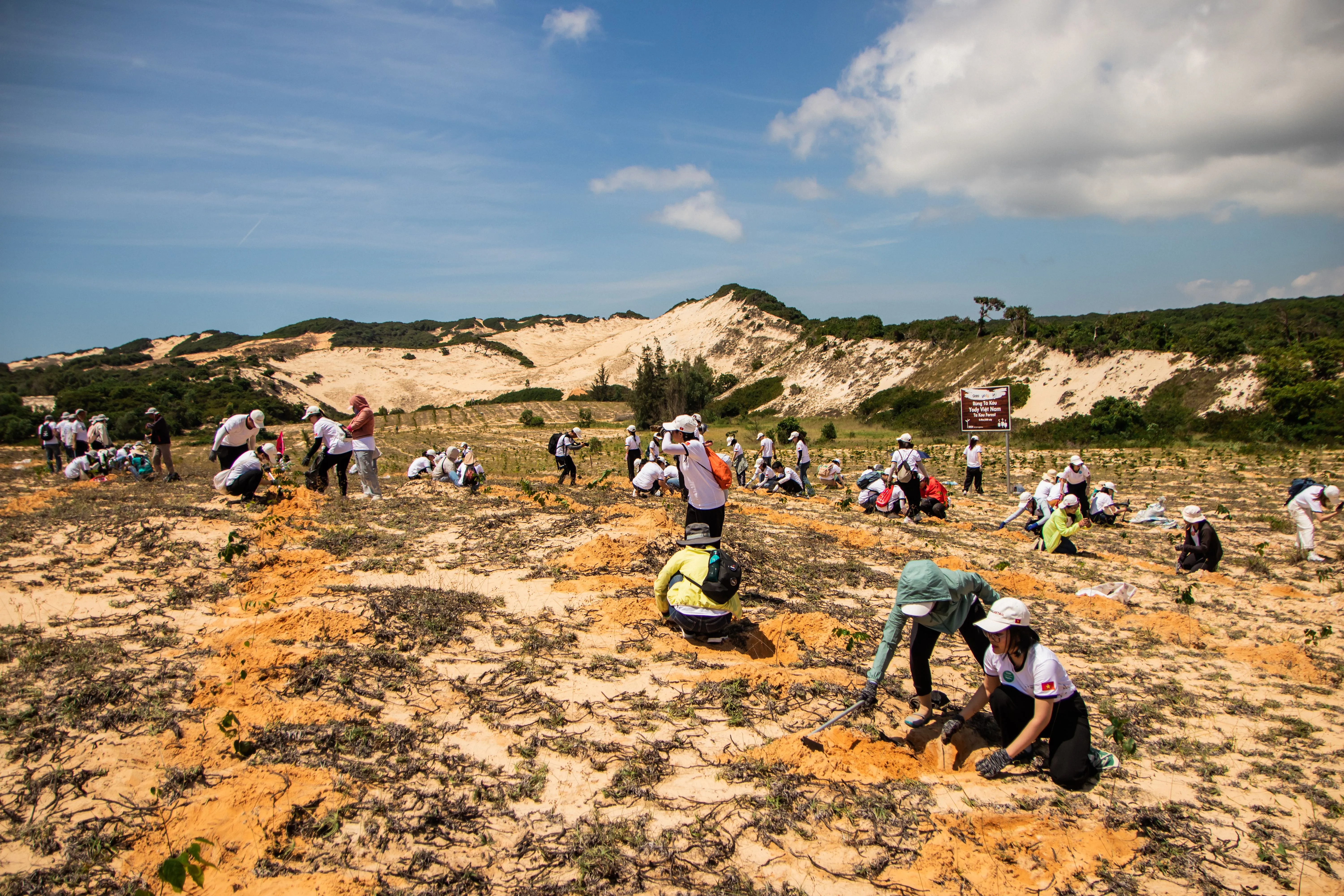
A Philippine example comes from the Dupinga watershed in Gabaldon, Nueva Ecija. In a 2017 descriptive case study, Gabriel, Claudio, and Bolisay described forest-protection efforts involving the municipality, the Department of Environment and Natural Resources, people’s organizations, NGOs, and community groups. The study discusses local measures including reforestation, ordinances against damaging activities, and livelihood projects. It does not present the watershed effort as a finished success: the authors describe it as work in progress, note limited participation by some groups, and point to local capacity and alternative livelihoods as important to sustaining collaboration (Gabriel et al., 2017).
“The Gabaldon experience of CBFM implementation is a work in progress and much still needs to be done.”
Gabriel, Claudio & Bolisay (2017)
That account avoids an easy story where a community simply comes together and solves an environmental problem. The people affected may have different priorities and resources. If protecting a watershed conflicts with how households earn a living, asking people to change without alternatives can make participation harder to sustain. The work involves listening, setting shared responsibilities, and revisiting plans as local conditions change.
Local action needs local institutions
Some environmental problems cross property lines and municipal boundaries. A river, forest, or coastal area does not stop at the edge of one neighborhood, and the work needed to protect it can involve multiple communities and levels of government. Local authorities can connect community knowledge with services, land-use decisions, regulations, and long-term planning.
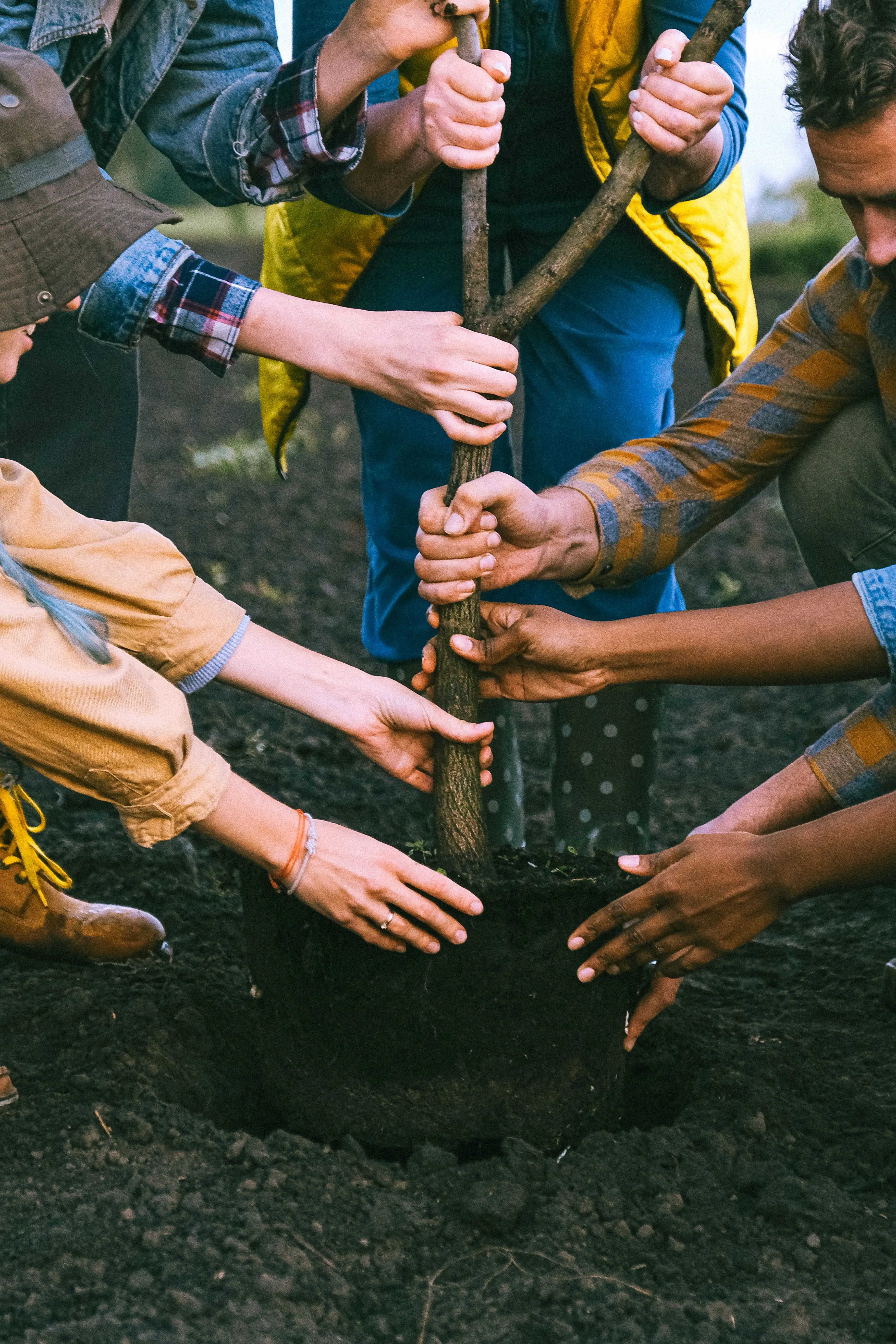
The Climate Change Act identifies local government units as frontline agencies for planning and implementing local climate action. It calls for barangays to work with city and municipal governments to prioritize issues and identify solutions, and for coordination between local government units (Republic Act No. 9729, 2009, sec. 14). The Ecological Solid Waste Management Act likewise gives local governments primary responsibility for implementation, with segregation and collection assigned at the barangay level (Republic Act No. 9003, 2000, sec. 10).
“Institutionalize public participation in the development and implementation of national and local integrated, comprehensive, and ecological waste management programs.”
Republic Act No. 9003
These laws create roles and responsibilities; they do not guarantee that every plan will be funded, carried out, or shaped by the people most affected. That is why environmental action needs both community involvement and institutions able to respond. Residents can identify a recurring problem, schools can help students investigate it, and local governments can decide what infrastructure, coordination, or enforcement is needed.
Making action last
It is tempting to judge environmental action by what is most visible: the number of bags collected, seedlings planted, or people who attended an event. Those efforts can be worthwhile, but the deeper questions are what changes afterward, who is responsible for maintaining that change, and whether the people involved had a meaningful say in it.
Environmental action works across scales. Individuals can reconsider what they use and how they travel. Schools can make environmental care part of learning and daily practice. Communities can bring local knowledge and priorities into shared decisions. Local governments and other institutions can provide the plans, services, and support that make those decisions possible. None of these levels can replace the others.
For students, a useful place to start is close to home: notice an environmental issue, ask who is affected, and find out which decisions or systems shape it. The next step may be a class project, a conversation with a community group, or a question for a local official. What matters is not only taking action once, but understanding how that action can connect with other people and continue over time.
Sources
Intergovernmental Panel on Climate Change (IPCC). (2022). Climate Change 2023: Mitigation of Climate Change. Chapter 5: Demand, Services and Social Aspects of Mitigation. Working Group III contribution to the Sixth Assessment Report. Chapter 5.
Republic of the Philippines. (2000). Republic Act No. 9003: Ecological Solid Waste Management Act of 2000. Official Gazette. Full text.
Republic of the Philippines. (2009). Republic Act No. 9729: Climate Change Act of 2009. Official Gazette. Full text.
Gabriel, A. G., Claudio, E. G., & Bolisay, F. A. (2017). Saving Dupinga Watershed in Gabaldon, Nueva Ecija Philippines: Insights from Community Based Forest Management Model. Open Journal of Ecology, 7(2), 140-157. https://doi.org/10.4236/oje.2017.72011.