Philippine Communities
Education in Philippine Communities
Education in the Philippines is shaped by differences in resources, communities, opportunities, and students’ circumstances.
Education is affected by place
A student’s educational experiences can be influenced by the community they live in. Different areas can face challenges that contribute to an uneven playing field for students, such as differences in facilities, classroom sizes, resources, electricity, internet access, and other factors. Studies of public education in the Philippines have found significant disparities in school resources and conditions across areas and communities (World Bank, Assessing Basic Education Service Delivery; Philippine Institute for Development Studies).
“The quality of education is affected by the availability and condition of school facilities.”
World Bank, Assessing Basic Education Service Delivery in the Philippines
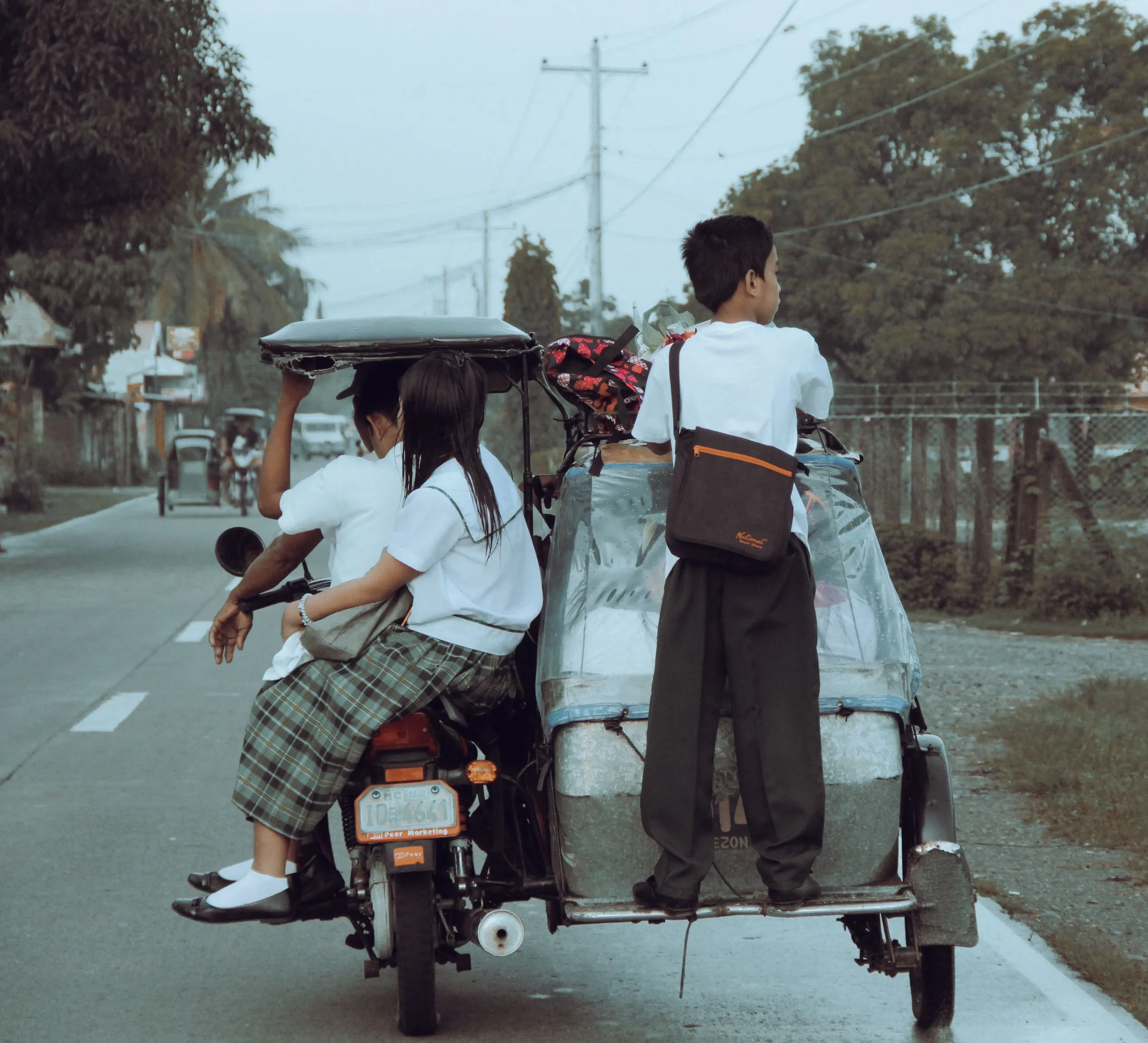
These differences can hinder the education of students in less privileged areas. Even when a school has passionate teachers and students willing to learn, overcrowded classrooms, insufficient facilities, and difficulties accessing learning resources and technology can affect students’ learning.
The gap goes beyond access to education
Access to education does not always mean equal educational opportunities for all students. A student’s household finances, the area they live in, and other individual circumstances can affect their ability to continue their education and pursue higher studies (World Bank, Overcoming Poverty and Inequality in the Philippines).
Poverty can also put additional pressure on students and their families. Expenses for transportation, books, food, and other necessities can become obstacles to continuing education for some students. For others, household responsibilities or the need to earn extra income can conflict with the time needed for their studies.
These pressures help explain why educational inequality is not just a matter of whether a school is present. It is also reflected in what happens after a student gets there, including whether they are supported and have the conditions needed to continue learning.
Schools are part of their community
Schools are part of the communities they serve. A school in an urban area faces different challenges from one in a rural or disaster-prone area.
Infrastructure is one example. Studies, including the World Bank’s Assessing Basic Education Service Delivery in the Philippines, have found persistent disparities in classroom-student ratios and access to facilities such as water and sanitation, electricity, and information and communications technology (World Bank; Philippine Institute for Development Studies).
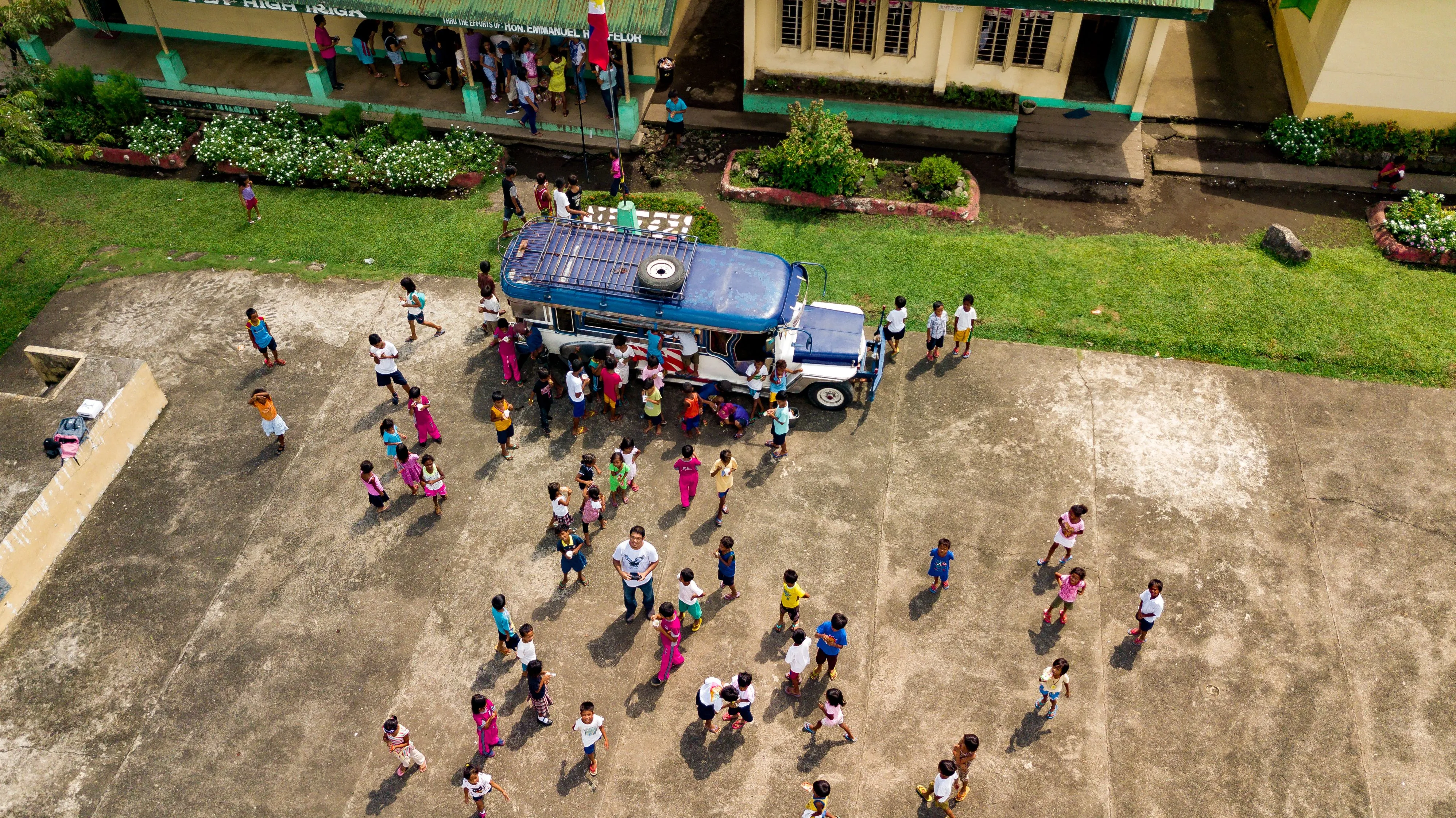
Geographic disparities also contribute to differences in learning. National assessments have found differences in student performance across areas, and language can contribute to these differences. Recent Southeast Asia Primary Learning Metrics results found improvements among Filipino Grade 5 learners, particularly higher-achieving students, while also revealing continuing disparities by learners’ socioeconomic status, location, and language (UNICEF Philippines).
“The results show that Filipino learners are making progress, but disparities remain.”
UNICEF Philippines, SEA-PLM 2024
Learning recovery is becoming a community focus
While education in the Philippines is characterized by inequity, many learners need additional help developing basic literacy and numeracy skills (EDCOM II).
This has led to a growing emphasis on learning recovery, including the Department of Education’s ARAL Program, created to give additional support to learners who need help in reading, mathematics, and science (Department of Education).
“The ARAL Program aims to address learning gaps and help learners recover from learning losses.”
Department of Education, ARAL Program
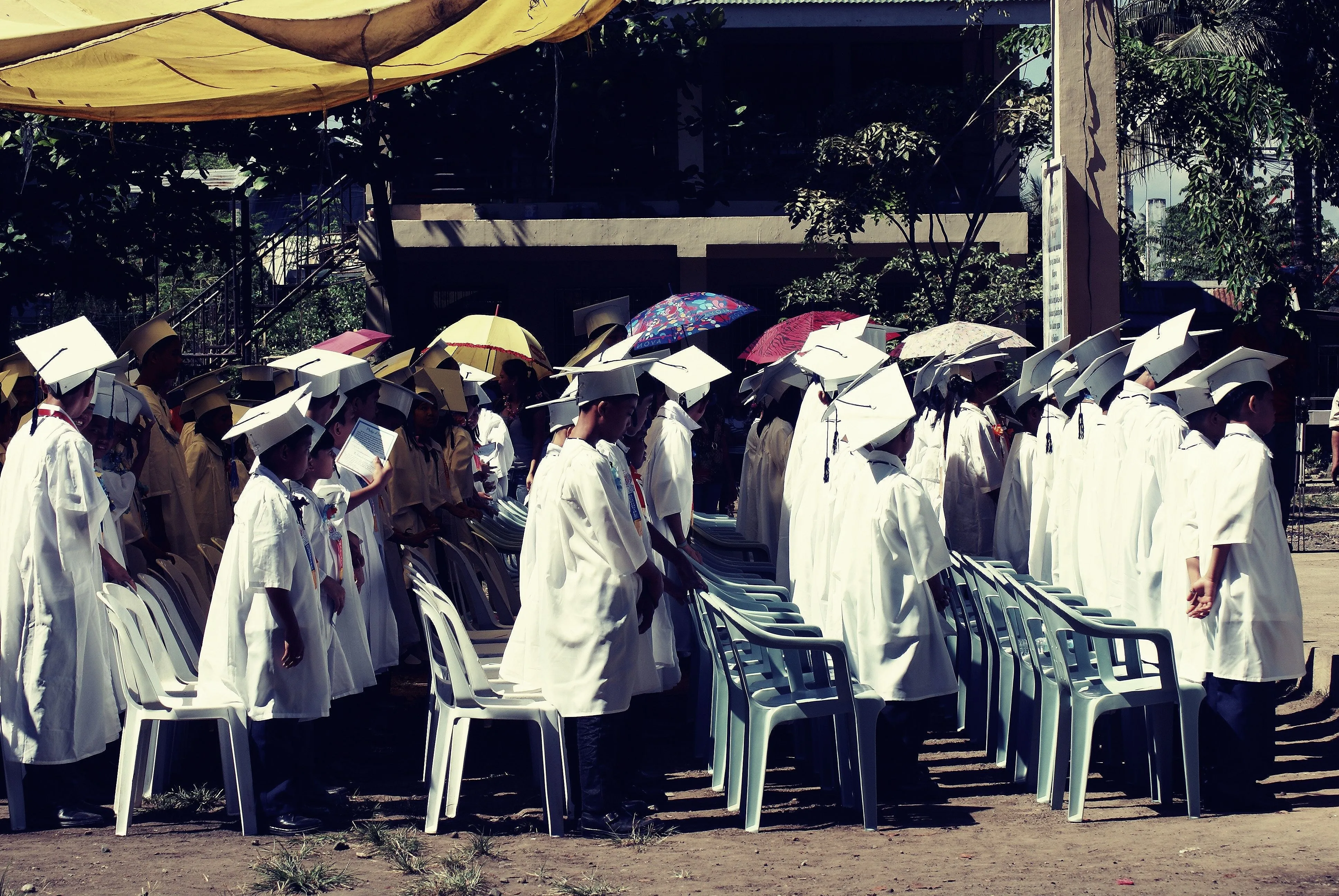
These programs reflect a growing recognition of the need to identify students who fall behind and give them opportunities to catch up. Improving education is not limited to changes in regular classroom instruction; it also involves understanding individual needs and providing extra help.
Education does not stop at the classroom
A student’s experiences and capacity to learn are affected by circumstances outside school, including nutrition, transportation, home life, disasters, excessively hot temperatures, and other challenges (UNESCO Global Education Monitoring Report).
Disasters are a particular concern in the Philippines, where classes can be suspended during typhoons, flooding, earthquakes, extreme heat, and other emergencies. When disruptions persist, schools may need ways to continue providing education even when students cannot come to school buildings.
Parents, teachers, local governments, and community members can all play a role in supporting education. Community circumstances can affect local schools, and the quality of schools can shape opportunities in the community as well.
What better education means for communities
Improving education is not just about improving exam results. Education can affect whether young people are able to continue their studies, acquire valuable skills, find employment, and participate in their communities.
That is why educational inequality is also a community concern. When students in a community do not have the same access to resources and opportunities, the effects can ripple outward and affect the community as well (EDCOM II; World Bank, Overcoming Poverty and Inequality in the Philippines).
At the same time, the circumstances of communities are not fixed. Better learning outcomes, targeted support, improved school infrastructure, local community involvement, and responsive policies that take account of students’ needs in particular communities can all contribute to better educational opportunities.
Education in the Philippines is deeply connected to the communities in which it exists. Understanding education means looking beyond students, schools, and their experiences in the classroom. It also means taking account of circumstances that can affect learning both in and out of school.
Sources
Department of Education. ARAL Program: A Learning Recovery Program for Filipino Learners.
EDCOM II. Turning Point: A 10-Year National Roadmap to Reverse the Education Crisis.
Philippine Institute for Development Studies. School Infrastructure in the Philippines: Where Are We Now and Where Should We Be Heading?
UNESCO Global Education Monitoring Report. Philippines Country Case Study.
UNICEF Philippines. SEA-PLM 2024: More Learners in the Philippines Reaching Higher Proficiency Levels.
World Bank. Assessing Basic Education Service Delivery in the Philippines.
World Bank. Overcoming Poverty and Inequality in the Philippines.