Student Well-being
Coping & Everyday Well-being
Everyday coping strategies and sources of support can help students through difficult periods.
Coping does not always mean fixing everything
When something is going wrong, the first instinct can be looking for a way to fix the problem and make it disappear. But not every difficult period has an easy solution. Sometimes coping is not about finding a way around a problem; it can mean getting through what is happening while slowly figuring out what needs to change.
Research on Filipino university students shows that coping can involve several different processes instead of a specific technique. In a grounded theory study of 20 Filipino university students experiencing psychological distress, for instance, Serrano and Reyes (2022) found coping consisted of befuddling, enduring, navigating, and developing phases. The study was done during the COVID-19 pandemic and was limited to students in selected universities in Metro Manila, so it should not be considered a universal model for every student.
“Coping among Filipino university students experiencing psychological distress is a process of befuddling, enduring, navigating, and developing.”
Serrano & Reyes (2022), Bending not breaking

That idea is useful regardless of circumstances of the study. Sometimes getting through a difficult period requires adapting before one has completely figured out what to do next.
Some coping strategies are practical
Coping can be very ordinary things. Taking a break from schoolwork, ensuring enough sleep, exercise, spending time with other people, organizing or finding a quiet place to think can be part of how a student manages stress.
A 2022 mixed-method study of Filipino university students found that participants used different cognitive and behavioral coping efforts in dealing with psychological distress. Furthermore, the researchers emphasized that students were balancing academic, family, and personal responsibilities at the same time.
“The findings revealed that the participants used both cognitive and behavioral coping strategies in dealing with psychological distress.”
Serrano, Reyes & de Guzman (2022)
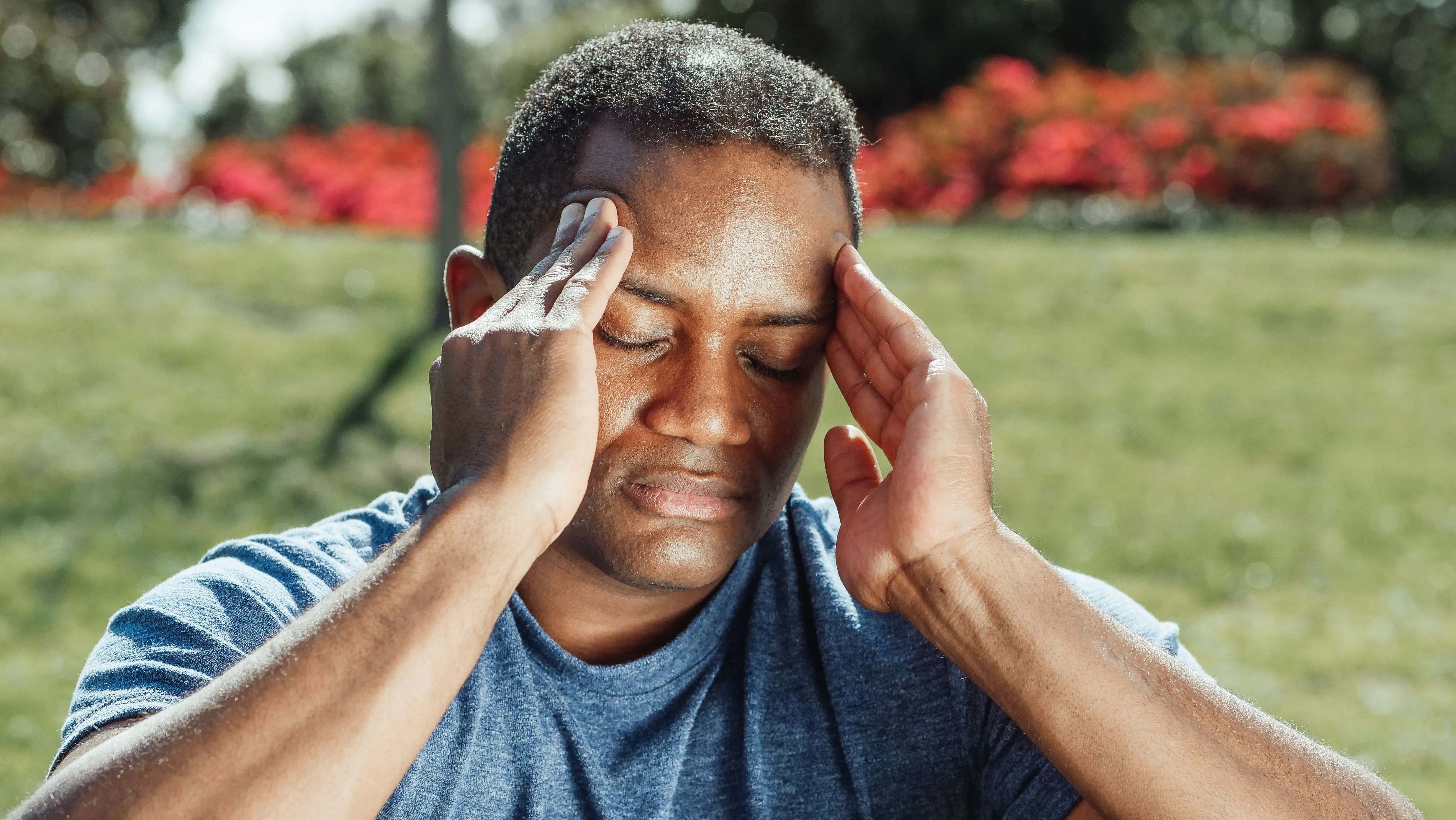
There is no need to turn every coping strategy to a strict routine – a student who is already overwhelmed will not benefit from having another long list of things they are supposed to do correctly. Sometimes the best thing is to pick one manageable action making the next few hours slightly less difficult.
Support can be part of coping
Coping does not always have to happen alone.
Friends, classmates, family members, teachers, counselors, and other people in a student’s life can provide different forms of support. A 2023 study with 187 young adult senior high school students in Metro Manila found that perceived social support from family and significant others was associated with lower risks of depression among the participants. However, since the study was cross-sectional, it cannot establish that support itself caused better mental health outcomes.
Other research into Filipino nursing students has also looked at social support in combination with resilience, mindfulness, self-efficacy, stress, and psychological well-being, reflecting how multiple protective factors can work rather than in isolation.
Support also does not necessarily mean that someone has to solve the problem – sometimes having someone listen, help with putting a situation into perspective or simply make a difficult day less lonely can be enough to make coping manageable.
Online spaces can help, but they are complicated
For many students, some of their social life exists online. Messaging friends, joining group chats, participating in communities or simply having someone around available to talk can become part of everyday coping.
Research on Filipino university students has found that online social support mediated some favorable effects of Internet use on mental health outcomes. The study also described Internet use as having a double-edged relationship with mental health, rather than as necessarily beneficial or harmful.
“Online social support was found to mediate the relationship between Internet use and mental health outcomes.”
Abad Santos et al. (2023)
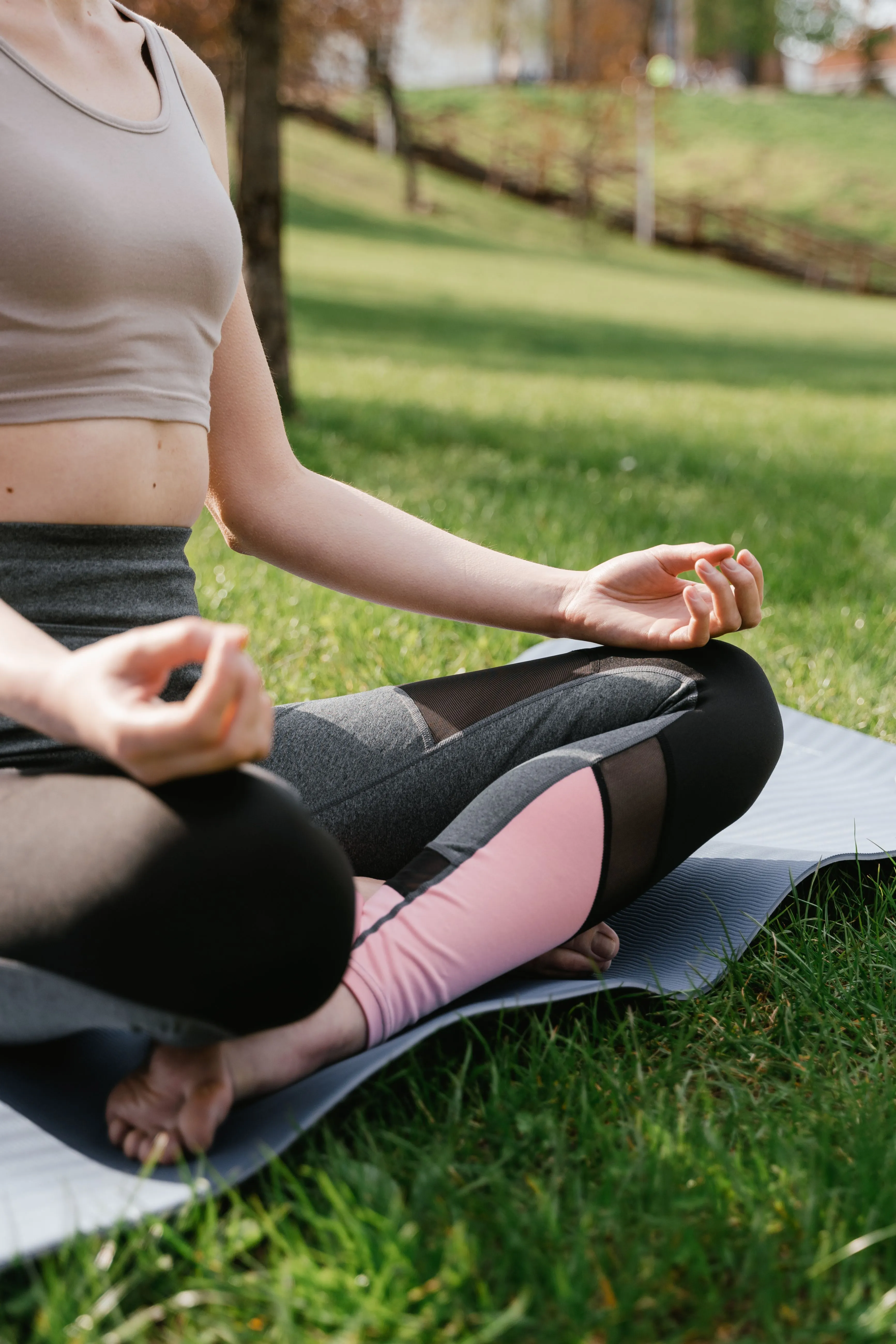
That distinction is crucial – an online conversation helping to feel connected is different from endlessly scrolling because trying to avoid thinking about something. The same technology can be put to very different uses depending on how and why it is being used.
Not every coping strategy helps for in the long run
When people are stressed, they naturally seek ways to feel better quickly. Some responses can provide a temporary relief without addressing on what is causing the stress while others can be making things harder over time.
Research on Filipino university students has identified both protective and less helpful ways of responding to psychological distress. The literature makes a distinction between strategies such as social support and patterns such as escape and avoidance, showing that coping is not simply about if someone has a strategy but what that strategy does for them.
It does not mean that taking a break, distracting oneself or avoiding something for a short period of time, is unhealthy – sometimes temporary distance is what someone needs. The more pressing matter is if the response eventually helps a person to return to the situation with more capacity, or if the underlying problem is being kept going.
Knowing when to ask for more support
There are situations where everyday coping is not enough.
If stress, sadness, anxiety, exhaustion or another difficulty is beginning to interfere with school, relationships, sleep or ordinary daily activities, talking to someone can be an important step. Someone can ask a trustworthy person, teacher, school counselor, guidance professional, or another appropriate source of support.
This is not the same as saying that every difficult emotion needs professional intervention – students experience ordinary frustration, disappointment and stressful periods as part of life. But there is also no prize for handling everything on one’s own.
The research on Filipino students points towards the importance of support systems and interventions rather than expecting students to manage psychological distress on their own. Serrano and Reyes (2022), for example, suggested that understanding students’ coping processes can inform programs designed to support their mental health.
Making coping part of everyday life
Coping does not have to be something students think about when things become overwhelming. Small habits can make difficult periods more manageable before they reach that point.
For one student, that could mean keeping a more realistic schedule; for another it could be protecting time for sleep, staying connected with friends, exercise, or a break from schoolwork for a while. Sometimes it can be about realizing that a problem is bigger than what can be handled alone.
For me, the most useful way to think about coping is not a perfect formula for staying happy or stress-free. Difficult periods are still going to happen. The point is to have the room, support and flexibility to respond to them without feeling like every setback has to be handled properly.
Sources
Serrano, J. O., & Reyes, M. E. S. (2022). Bending not breaking: coping among Filipino University students experiencing psychological distress during the Global Health Crisis. Current Psychology, 42, 28857–28867.
Serrano, J. O., Reyes, M. E. S., & de Guzman, A. B. (2022). Psychological Distress and Coping of Filipino University Students amidst the Global Pandemic: A Mixed-Method Study. Journal of Positive School Psychology, 6(6), 373–386.
Serrano, I. M. A., Cuyugan, A. M. N., Cruz, K., Mahusay, J. M. A., & Alibudbud, R. (2023). Sociodemographic characteristics, social support, and family history as factors of depression, anxiety, and stress among young adult senior high school students in Metro Manila, Philippines, during the COVID-19 pandemic. Frontiers in Psychiatry, 14, 1225035.
Berdida, D. J. E., Lopez, V., & Grande, R. A. N. (2023). Nursing students' perceived stress, social support, self-efficacy, resilience, mindfulness and psychological well-being: a structural equation model. International Journal of Mental Health Nursing, 32(5), 1390–1404.
Abad Santos, P. M. T., Cleofas, J. V. V., Austria, A. G. O., de Guzman, A. K. B., & Sarile, B. A. F. (2023). The double-edged impact of Internet use on mental health outcomes among Filipino university students: the mediating role of online social support. Frontiers in Sociology, 8, 1132523.