Environment
Climate change & everyday life
Climate change not only impacts environments and communities, but also the daily lives and choices people make.
It is closer than you think
Climate change is easy to feel like an abstract issue. Discussing global temperature changes, ice melting, and international summits about climate change can make it easy to feel like something happening on a scale that has little to do with your own life. However, climate change is also a part of everyday life: hotter days and weeks, changes to rainfall and flood patterns, disruption of transport and work schedules, and impacts on agriculture and water resources.
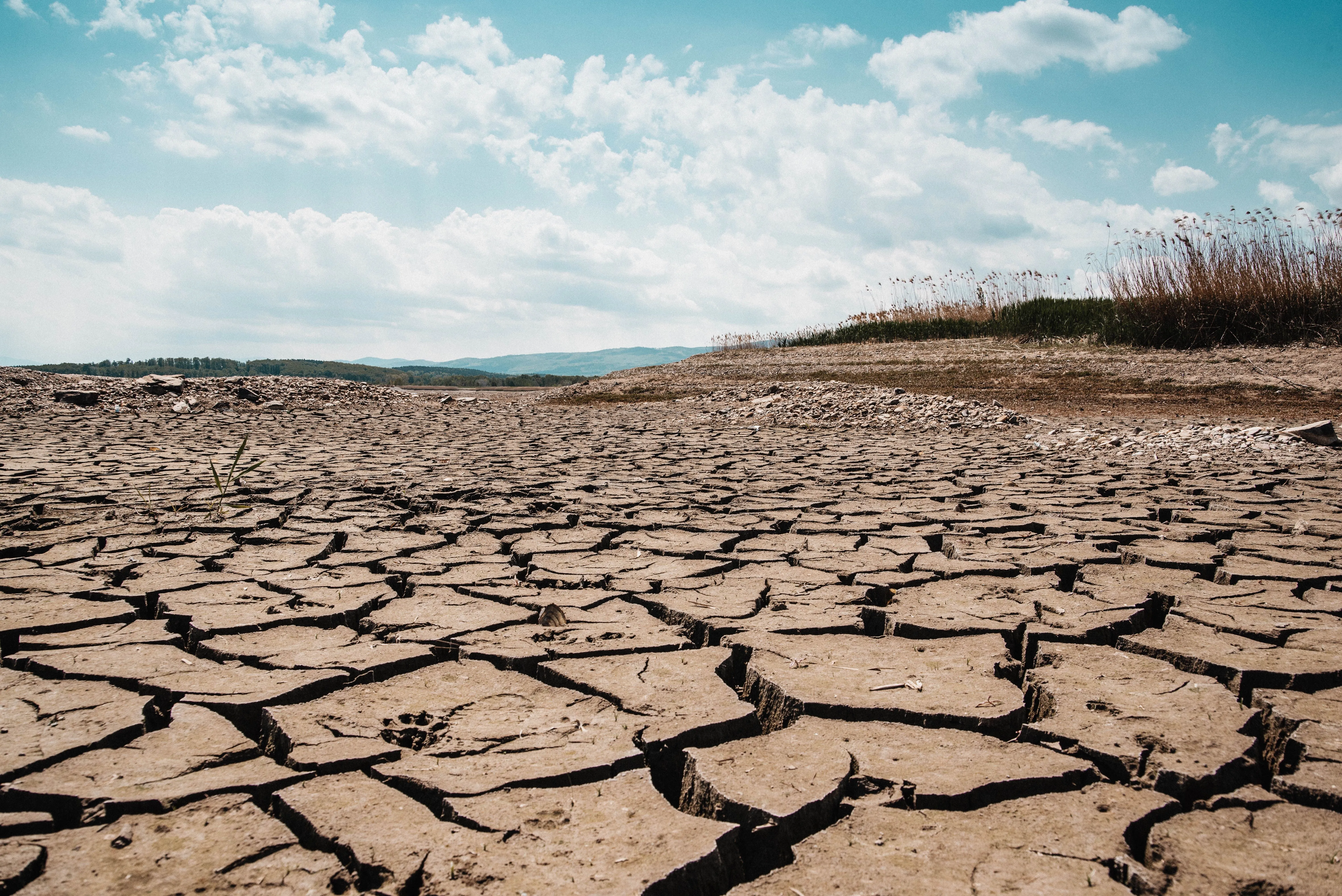
The science of climate change is already well-established. According to the Intergovernmental Panel on Climate Change (IPCC), human-induced climate change has made hot extremes and heatwaves more common and intense across most land regions, while heavy precipitation and other climate extremes have also changed as the planet warms (IPCC, 2023). For the Philippines, climate change means climate-related hazards, such as tropical cyclones, flooding, drought, sea-level rise, and others, that have the potential to impact communities (PAGASA, Climate Change in the Philippines). A World Bank report, the Philippines Country Climate and Development Report, highlights that both acute shocks and gradual changes, including temperature rise, shifting rainfall patterns and sea-level rise, have the potential to impact the economy, infrastructure, livelihoods, and society (Philippines Country Climate and Development Report, 2022).
“Human-caused climate change is already affecting many weather and climate extremes in every region across the globe.”
IPCC, Climate Change 2023: Synthesis Report (2023)
What changes in everyday life?
One of the most immediate changes brought by climate change is heat. While a warmer climate does not necessarily mean every single day is hotter than the previous one, the long-term increase in temperature increases the risk and intensity of extreme heat. This can impact the ways people move, work, exercise, study, and spend their free time. The increased risk of extreme heat can also impact urban areas, where the built environment contributes to the urban heat island effect. According to the IPCC, urbanization and increased frequency of heat extremes can amplify the impacts of heatwaves in cities (IPCC, 2023).
Changes in rainfall and increased risks of flooding can also make climate change a very practical issue. In just one heavy rain event, roads can be flooded, classes cancelled, transport disrupted, or homes and businesses damaged. A study conducted in flood-prone coastal communities in the Philippines found that residents experienced frequent minor to moderate flooding as well as occasional severe flooding, and that their adaptation decisions reflected their perceptions of these risks and access to resources (Research on Flood Adaptation in Philippine Coastal Communities, 2020).
The impacts of climate change do not finish when the clouds disperse. Flooding, cyclones, drought, and other climate-related hazards can disrupt livelihoods and damage infrastructure. According to the World Bank, climate shocks can hamper economic activity, damage infrastructure, and disrupt livelihoods in the Philippines, with poor households particularly vulnerable to these impacts (Stronger Climate Action Will Support Sustainable Recovery, 2022).
“Climate shocks, whether in the form of extreme weather events or slow-onset trends—will hamper economic activities, damage infrastructure, and induce deep social disruptions.”
World Bank, Stronger Climate Action Will Support Sustainable Recovery and Accelerate Poverty Reduction in the Philippines (2022)
Food, water, and livelihoods
Climate change impacts the environment, but also the resources that people depend on every day.
Agriculture is one of the most sensitive sectors to climate change, as the livelihoods of farmers and agricultural workers depend on temperature, rainfall, water resources, and other climate-related factors. Water resources are also sensitive to changes in temperature and rainfall, as well as other climate-related hazards such as flooding. Water and coastal resources are among the sectors identified by the Philippine Climate Change Commission as being significantly impacted by changes in temperature and rainfall (Climate Change Commission, Communities for Resilience).
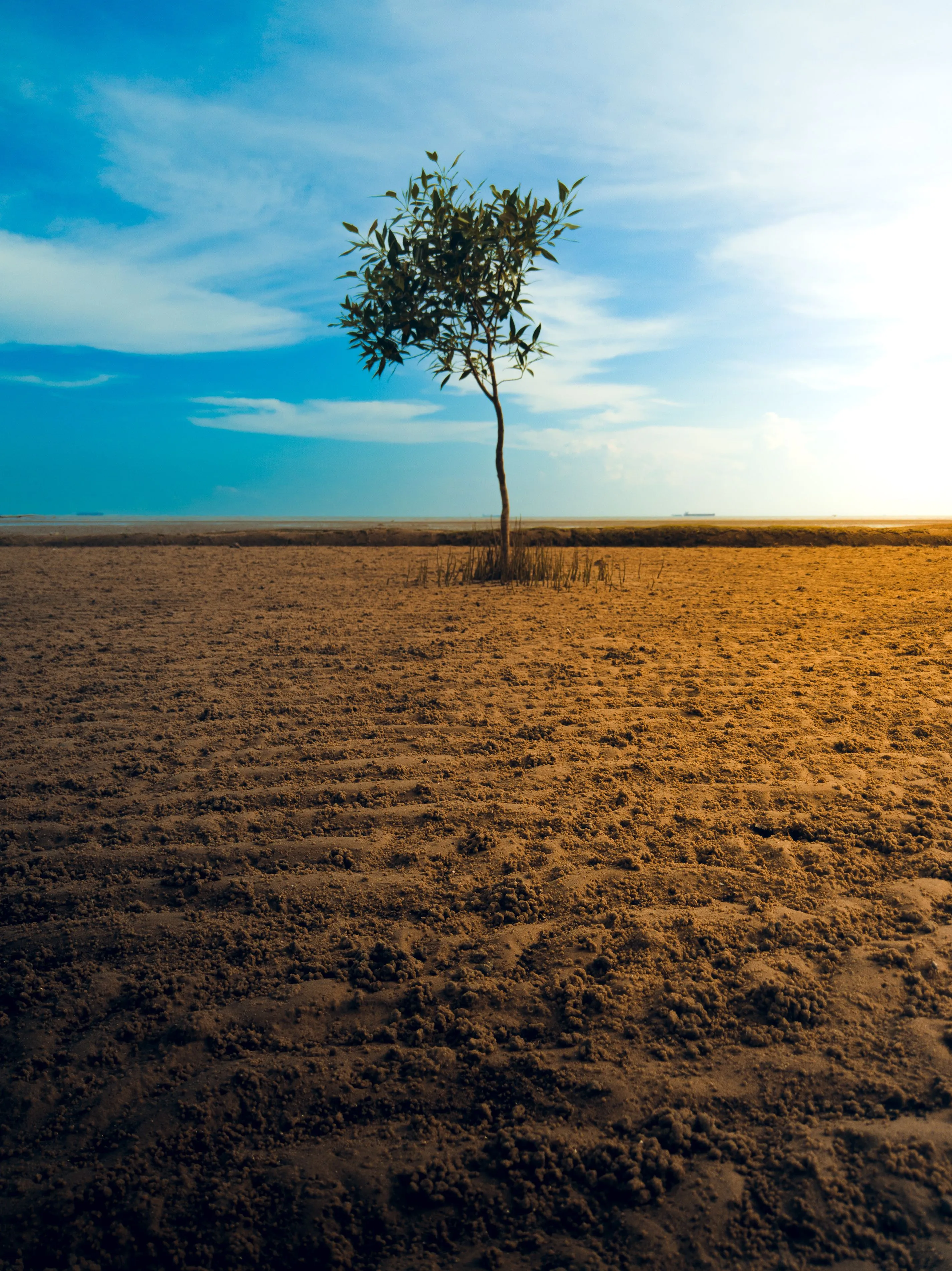
This is why climate change is not only an environmental issue, but one that cuts across the economy and impacts households and communities. A flooded road can impact a person’s ability to reach their workplace, a disrupted harvest can impact food availability and income, or a flood can damage a house and require money for repairs.
Not everyone experiences climate change the same
Climate change can impact some people more than others. For a household that has a secure home, savings, reliable transport, and access to services, the options after a flood or other climate-related disaster are much greater than for a household that does not have those resources.
This is an important consideration, as it highlights that climate change impacts people’s everyday lives in more ways than just the environmental changes. People need access to information, safe and reliable infrastructure, financial resources, public services, and spaces to make decisions collectively, in order to be able to adapt. The role of local governments and communities has been a major focus of research on climate adaptation and disaster risk reduction in the Philippines, as they play a key role in providing people with these resources.
What can communities do?
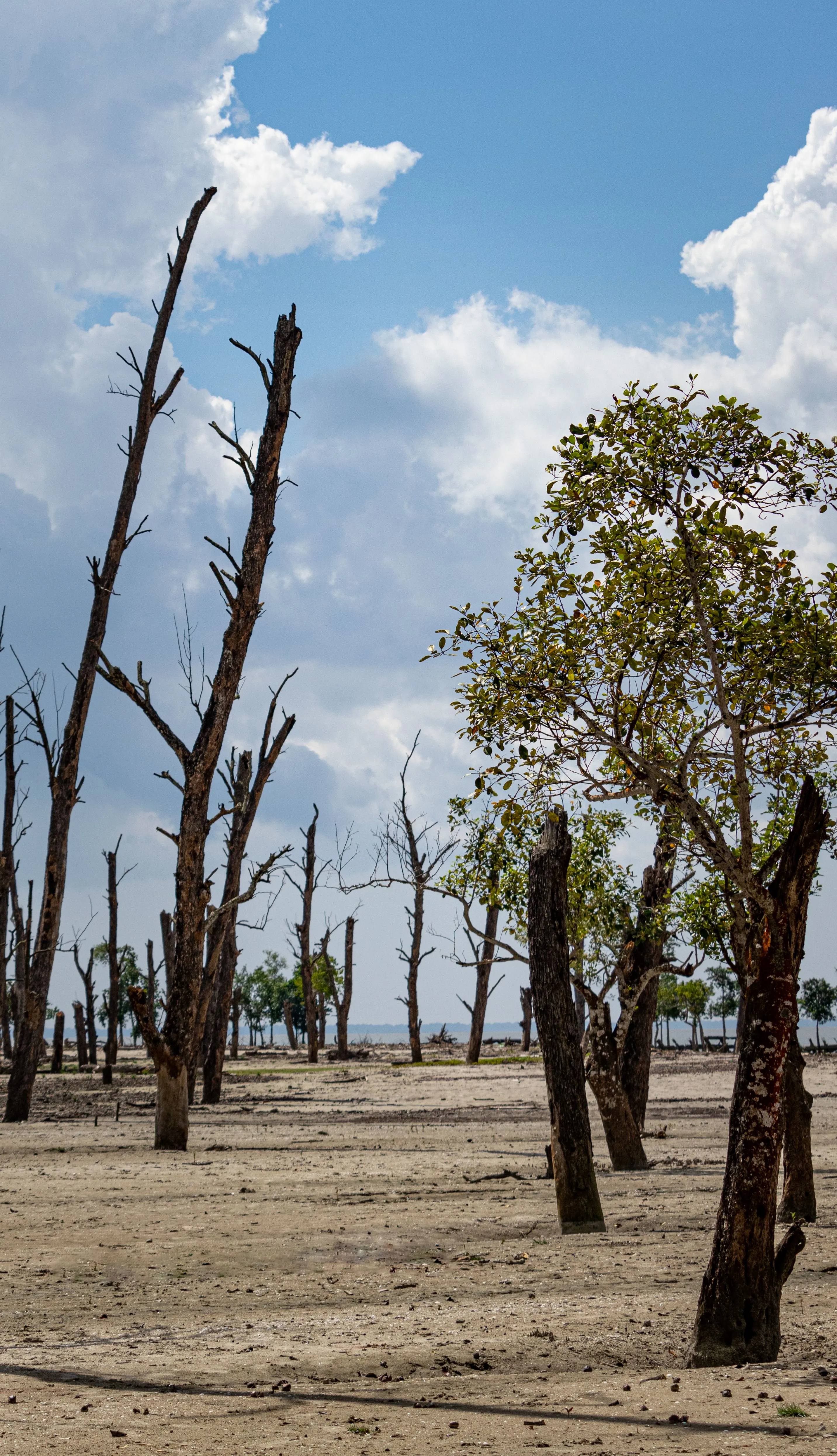
When climate change is discussed, it is often on a global scale. National governments and supranational institutions such as the United Nations make policies about climate change, and scientists discuss global temperature rises and sea-level rise.
However, when it comes to climate adaptation, communities are also key actors. Local governments can take climate change into account when making decisions about land use, flood management, infrastructure, and other built environment features, as well as disaster risk reduction. A Philippine study on local government and climate change in the Silang-Sta. Rosa subwatershed, for instance, explored how climate adaptation and mitigation could be integrated into basin-scale land-use planning through risk assessment, scenario development, and participatory methods (Research on Local Climate Adaptation and Flood-Risk Decision-Making, 2024).
Communities also have valuable knowledge about the ways climate change can impact their area, and the solutions that work best. Research on climate adaptation in the Philippines and other countries has pointed to the importance of traditional and Indigenous knowledge in developing location-specific adaptation strategies, a perspective that has been overlooked in mainstream climate adaptation research (Research on Traditional and Indigenous Climate Adaptation Knowledge, 2024).
For students, understanding climate change is easier when it is related to something they can see in their everyday lives. A discussion of climate change in the classroom can focus on local flooding, heat, waste, water use, transportation, food, or other topics that directly affect students and their community. At the same time, learning about climate change in a broad-scale way makes it possible to engage with the topic on several levels. Climate change can be tackled in many ways, from individual choices to national policies.
Everyday choices still matter - but they are not the whole picture
It is easy to think about climate change in the context of individual choices. Actions such as reducing, reusing, recycling, saving energy, reducing the use of personal vehicles, and making thoughtful purchasing decisions can help limit the negative impacts of human activity on the climate.
However, individual actions are only part of the picture. Climate change is caused not only by individuals, but also by the energy sector, transport, land use, industry, and agriculture, as well as public policies that shape the way these factors develop. The IPCC reports highlight the complexity of the climate system and the interconnection between energy use, land use, consumption patterns, and other factors (IPCC, 2023).
That is why climate change can be approached on several levels. A student can make more sustainable choices in the ways they consume, while a school can reduce its impact by making changes to the way it recycles or uses energy. Communities can engage with climate change by making collective decisions about disaster risk reduction and flood management, and local governments can make policies about climate change. Together, these actions make up climate change mitigation and adaptation, and each plays a role in reducing emissions and building resilience.
Living with a changing climate
Climate change is not only a future-oriented issue. Communities are already taking steps to adapt to environmental changes, and to build resilience to future challenges.
In particular, adaptation to climate change is a priority for the Philippines, as the World Bank’s country report highlights that it presents significant development risks, but also opportunities to reduce vulnerability and build resilience to climate change through flood management, climate-resilient infrastructure, appropriate water management, and other measures (Philippines Country Climate and Development Report, 2022).
“Adaptation to climate change, therefore, is critical to sustain recovery and reduce poverty.”
World Bank, Philippines Country Climate and Development Report (2022)
Thinking about climate change from the perspective of everyday life does not make the issue any less important, but rather more connected to people’s lives. The state of the environment, weather patterns, food and water resources, transport infrastructure, residential security, and other considerations can all be part of a broader discussion of climate change, and ways that people, communities, and governments can respond to it. For students, understanding those connections is an important step in engaging with climate change. While it is a global issue, it also has local implications. And while climate change requires changes on a global scale, communities and individuals can play a part in making their communities safer and more resilient.
Sources
Intergovernmental Panel on Climate Change. Climate Change 2023: Synthesis Report. 2023.
World Bank. Philippines Country Climate and Development Report. 2022.
World Bank. Stronger Climate Action Will Support Sustainable Recovery and Accelerate Poverty Reduction in the Philippines. 2022.
Philippine Atmospheric, Geophysical and Astronomical Services Administration. Climate Change in the Philippines.
Climate Change Commission Philippines. Communities for Resilience (CORE).
Research on flood adaptation in Philippine coastal communities. International Journal of Disaster Risk Reduction. 2020.
Research on local climate adaptation and flood-risk decision-making in Philippine communities. Sustainable Cities and Society. 2024.
Research on institutional resilience and climate adaptation in Aurora, Philippines. Environmental Research. 2020.
Research on traditional and Indigenous climate adaptation knowledge including the Philippines. World Development. 2024.