Education
The Changing Classroom: How Education Is Evolving
Classrooms are changing, both in terms of teaching and learning practices.
The Classroom Is Not Quite What It Used to Be
The classic image of a classroom for many of us has long been a teacher behind a desk, students sitting at desks, a set of lessons following a textbook or standardized curriculum, and the primary means of learning being assignments, quizzes, and exams. This has certainly not disappeared, but the way education is organized around a framework like this has been evolving.
Some aspects of this change are obvious: students may engage more with computers or learning management systems, work collaboratively, or learn outside of the classroom. Others are less obvious: teachers must now consider their approach to assessment, participation, literacy, problem-solving, and how lessons can be designed for students with differing needs.
In the Filipino experience, this change can be seen in the introduction of the MATATAG Curriculum. The Department of Education introduced the curriculum in 2023 and began its phased implementation for Kindergarten through Grade 10 in the 2024–2025 school year, partly to decongest the curriculum and strengthen foundational skills (Department of Education, 2024).
Thus, the changing classroom is not only a question of whether schools are using newer technology, but of whether schools are changing what is taught, how it is taught, and what students are expected to do with what they are taught.
From Listening to Participating
One of the largest changes in educational thinking has been a focus on student participation in learning.
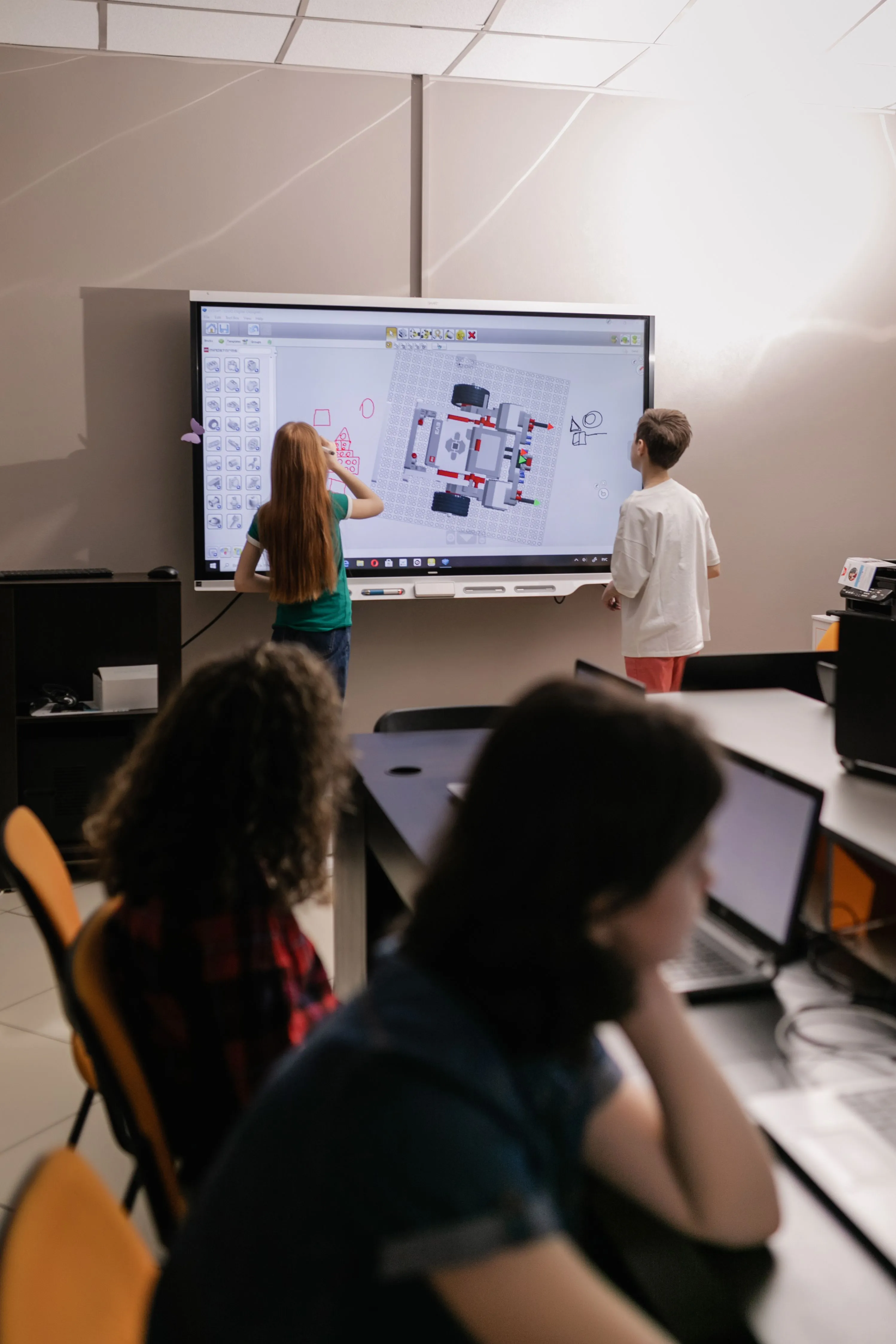
This does not mean that lectures have been rendered useless: a teacher who can explain concepts well and introduce new topics still plays a vital role. What has changed is an expectation that more students are doing something with the information that they are given.
A lesson might take the form of students discussing a problem with each other, applying the concept to a real-life scenario, explaining their answers, completing a project, asking questions, or practicing a problem before being told the solution. These changes reduce the one-way flow of the traditional classroom and allow students to engage more actively with what they are learning.
Research into student-centered learning generally associates this approach with greater student agency and opportunities for active learning, collaboration, problem-solving, and critical thinking.
There is an important distinction to be made, however: simply putting students in groups or giving them an activity does not guarantee a good lesson. What students are thinking about and doing is important. Active learning is valuable because it changes the role of the student in the learning process, not because it makes a classroom look busier.
This is why the concept of a “modern classroom” can sometimes be misleading: a classroom does not become modern simply because the teacher replaces a chalkboard with a screen. The more interesting change is what students are being asked to do.
The more interesting change is what students are being asked to do.
Technology Changed the Classroom, But It Did Not Solve Everything
The pandemic accelerated a change that was nonetheless already underway: education became much more comfortable with digital and flexible forms of learning.
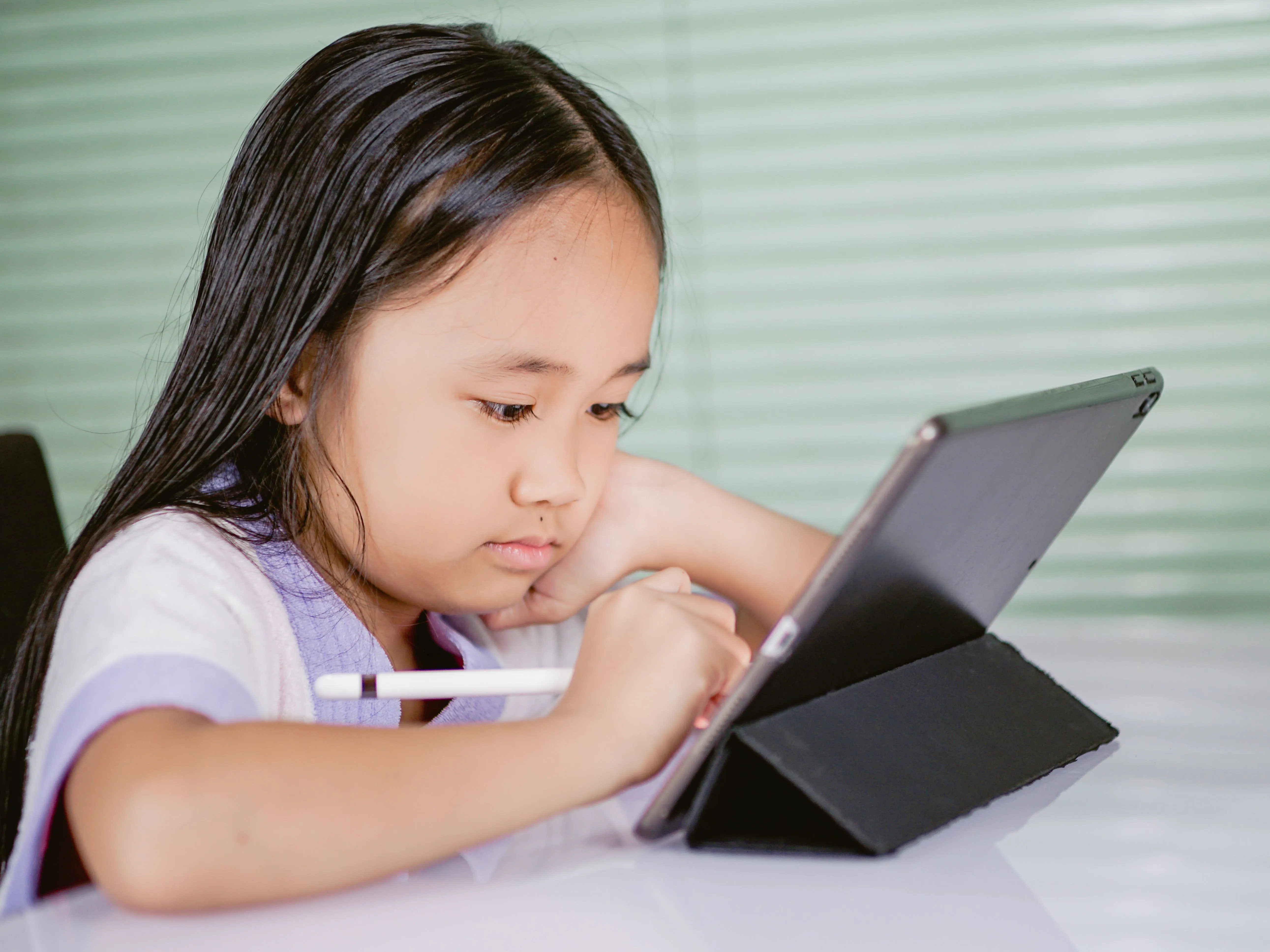
Students could attend lessons from home, access materials online, submit work electronically, and communicate with teachers without having to go to the classroom in person. Even with schools returning to face-to-face instruction, some of these practices remained.
As far as Philippine higher education is concerned, we have a useful example. A 2026 study of 12,525 students attending higher education institutions across Luzon, Visayas, and Mindanao examined their experiences with flexible learning during the pandemic. It reported substantial differences in students’ access to technology and connectivity: 57.8% of respondents reported slow connectivity, while only 11.8% reported fast connectivity (Ybañez et al., 2026).
This is important because a new learning environment is only useful so long as students can actually access it.
It is easy to talk about digital classrooms as though every student has the same laptop, internet connection, quiet study space, and technical ability; real classrooms are not that uniform. A student who attends an online lesson from a stable connection and a student who is trying to follow the same lesson through a mobile connection are technically participating in the same class, but are not experiencing the same learning environment.
This means that technology creates possibilities without guaranteeing results. Research into blended learning has found positive effects on different forms of student engagement and learning outcomes, but the design of the learning experience still matters.
A screen can deliver a lesson, but it cannot, by itself, decide if a student understands it.
A screen can deliver a lesson, but it cannot, by itself, decide if a student understands it.
The Teacher’s Role Is Changing Too
When people talk of new approaches to education, it can sometimes sound as though the teacher is being sidelined. In practice, the teacher remains central to how these approaches are carried out.
A classroom that expects students to participate actively requires teachers to make decisions about when to explain, question, let students work, and intervene. Teachers must also recognize when students are struggling and adapt their approach.
Recent Philippine research into curriculum reform illustrates this point. A 2025 Philippine Institute for Development Studies study examined teachers and schools involved in the pilot implementation of the MATATAG Curriculum and found modest changes in teaching practices attributable to the reform, with teacher collaboration emerging as one of the more noticeable changes. Assessment and feedback practices, collaboration, and attention to reading literacy were also associated with stronger indicators of classroom teaching proficiency (Lingatong et al., 2025).
This goes to show why educational reform cannot simply be reduced to changing a curriculum document: teachers need to interpret the curriculum and transform it into actual lessons.
The Department of Education’s own training for the MATATAG Curriculum reflects this, with teacher-development programs covering lesson planning, instructional strategies, assessment, evaluation, and feedback as interconnected aspects of teaching (Department of Education, 2024).
In other words, changing the classroom involves asking teachers to continue learning.
A Philippine Classroom in Transition
The MATATAG Curriculum provides an interesting case study in that it is an effort to change education at the system level, rather than simply asking individual teachers to experiment with something new.
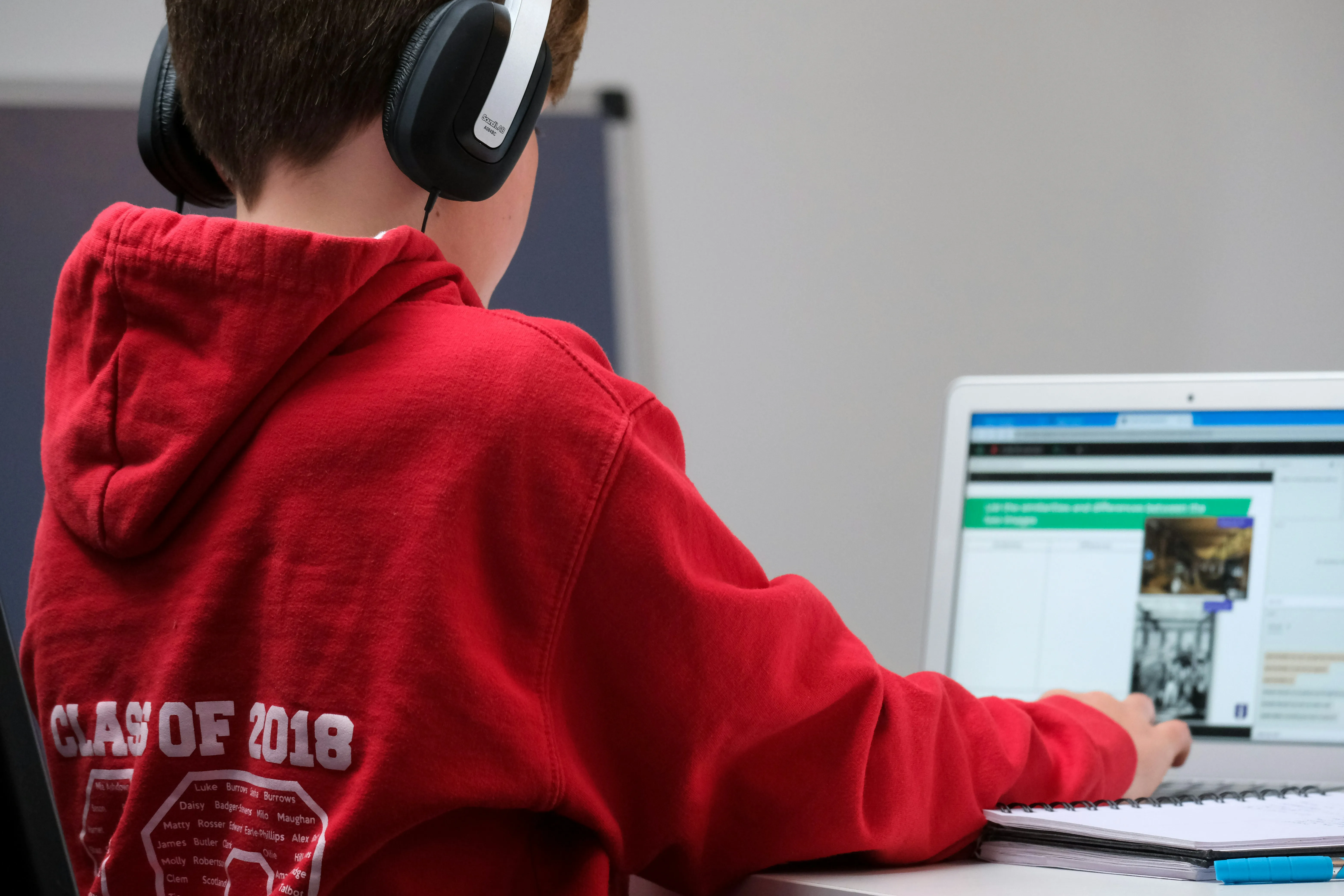
The curriculum was introduced partly in response to persistent learning difficulties, with an emphasis on decongesting the curriculum and strengthening foundational skills. The first-year evaluation of its pilot implementation, conducted by PIDS, examined 70 schools across seven regions using curriculum reviews, teacher surveys, classroom observations, and student assessments. The researchers reported statistically significant gains for Grade 2 students across all assessed subjects, while Grades 5 and 8 showed selective improvements across subjects. Teachers also reported greater flexibility in lesson delivery and more contextualization of content (Abrigo et al., 2025).
These findings are encouraging, but they also serve to illustrate the complexity of educational change.
Another PIDS analysis of the same reform found that the curriculum’s effect on student performance operated predominantly through direct pathways rather than through large changes in observed teaching practices. It also found that teacher collaboration, assessment and feedback, and emphasis on reading literacy were important indicators of classroom teaching proficiency (Lingatong et al., 2025).
This suggests that a curriculum can influence learning without every visible aspect of classroom practice changing immediately.
It also reminds us that education is rarely changed by one thing alone.
The Problem With the Word “Better”
There is a tendency to talk about educational change as though newer automatically means better.
A new curriculum is newer than an old curriculum, digital learning is newer than printed worksheets, and student-centered activities may look newer than a traditional lecture. But none of these differences, by themselves, tell us whether students are actually learning more.
A useful change to the classroom should eventually be connected to what students can understand, remember, apply, or create.
This is especially important in terms of technology. While it can make lessons more flexible and give students access to resources that were difficult to obtain in the past, technology can also bring distractions, inequality, and new demands to both teachers and students.
The same applies to flexible learning. A 2025 study of students at a state university in Cebu found that school climate, personal development, and study habits were significant predictors of academic success in flexible learning environments, while motivation was not a significant predictor in that study (Manulat, 2025).
The environment matters, but so does what happens inside it.
Not Every Student Learns in the Same Classroom
Another reason why classrooms change is that students are not all the same.
A single class can have students with differing levels of prior knowledge, learning needs, resources, and engagement with the lesson. A teaching method that works well for one student may not work as well for another.
This is where differentiated instruction becomes important. Interestingly, the recent PIDS evaluation of MATATAG found that although many observed classes demonstrated proficiency in areas such as classroom management, lesson delivery, and assessment, 52% were rated non-proficient in differentiated instruction (Abrigo et al., 2025).
This finding is useful because it highlights the difference between having a new framework and being able to implement every part of it successfully.
Changing the classroom, then, is not simply about giving teachers a new set of instructions, but about figuring out how those instructions work when they meet a room full of students.
So What Does the Changing Classroom Look Like?
There is probably not a final version of the modern classroom.
Some classrooms may continue to rely heavily on direct instruction, while others may use project-based activities, collaboration, technology, or a blend of several approaches. Some schools will have access to technology that others cannot easily provide. Different subjects will also demand different methods.
What is more important is whether the classroom provides students with meaningful opportunities to understand and use what they are learning.
The Philippine experience of curriculum reform clearly illustrates this. MATATAG is not simply a story about replacing one curriculum with another, but about changing what students learn, how teachers prepare lessons, how assessment is used, how teachers collaborate, and how schools respond to different learners (Abrigo et al., 2025; Lingatong et al., 2025).
The classroom is changing because education has to respond to changing circumstances. Technology is a part of that story, but it is part of a larger story. Curriculum reform, teacher training, and student-centered learning may each be their own pieces, but they are not the whole.
To me, the more interesting question is not whether today’s classroom is different from the classroom of the past, but whether these changes are helping students become better learners.
A classroom can have newer tools, newer curricula, and newer teaching methods; what ultimately matters is what students are able to do with them.
Sources
Abrigo, M. R. M., Lingatong, E. E., Daga, E. D. J. C., Apostol, G. C., Cagasan, L. P. Jr., Gavan, D. S., Paquibot, J. L., Perez, T. D. W., & Relos, C. M. L. (2025). Promise and Growing Pains in Curriculum Reform: A Mixed-Methods Evaluation of MATATAG K-To-10 Curriculum's First-Year Pilot Implementation. Philippine Institute for Development Studies, Discussion Paper No. 2025-53.
Lingatong, E. E., Abrigo, M. R. M., Aranzanso, D. J. F., Berroya, J. D., Daga, E. D. J. C., Gonzales, J. F. D., Ignacio, M. A. C., Macaraig, D. L., Pablo, C. V., Pineda, C. C., Sister, J. M. A. A., & Villasor, R. (2025). Teaching through Transition: What Influences Teachers’ Practices amidst Curriculum Reform? Philippine Institute for Development Studies, Discussion Paper No. 2025-45.
Ybañez, A. P., Villaruz, J. F., Magalong, A. G., Cardoso, M. D., Orden, E. A., & Oducado, R. M. F. (2026). Student perceptions of flexible learning in Philippine higher education during COVID-19 and implications for crisis-responsive monitoring. Frontiers in Education, 11.
Manulat, J. B. (2025). Key predictors of academic success in flexible learning environments: A PLS-SEM analysis. Frontiers in Education, 10, 1633040.
Department of Education. (2024). Policy Guidelines on the Implementation of the MATATAG Curriculum.