Student Well-being
Burnout, Rest & Recovery
The pressures of school life can leave students feeling drained, making rest and recovery important elements of student well-being.
When stress stops being temporary
There is a difference between being tired from a busy week and being unable to ever seem to properly recover from one. As school pressures build and pile up, stress can start to make an impact on students’ approaches to studying, sleeping, and day-to-day life.
Burnout is typically discussed in terms of feelings of being drained and disengaged from one’s schoolwork, but research into student burnout shows that it is not necessarily a phenomenon caused by simply being too busy. It can be the result of prolonged academic pressures and other factors which limit students’ ability to adequately recover. A systematic review and meta-analysis of student burnout interventions found that there were a number of differing approaches that could be taken to reduce learning-burnout, though the individual studies included in the research showed considerable variance (Tang et al., 2021).
This means that for students, burnout can be difficult to spot early on, as missing out on a night of sleep or feeling unproductive for a few days at a time is not unusual occurrences. The issue emerges when exhaustion becomes a regular and almost unavoidable occurrence.
Rest is more than just doing nothing
Rest is the part of our lives that we often save for after everything else has been taken care of. When all other tasks have been dealt with for the day, the rest of the time is spent relaxing. And when the time comes for that to be done as well, well, there doesn’t seem to be anything left for a break.
However, the process of recovery plays an important role in allowing us to function. Sleep, exercising, and taking breaks are all healthy, everyday behaviors that have been found to have an impact on general student well-being. In a 2025 study of 2,620 Filipino tertiary students, positive health behaviors were found to have significant associations with positive emotions, engagement, meaning, accomplishment, and health (Campoamor-Olegario, Camitan IV, & Guinto, 2025).
“Positive health behaviors significantly predicted the well-being components of positive emotions, engagement, meaning, accomplishment, and health scores.”
Campoamor-Olegario, Camitan IV & Guinto (2025)
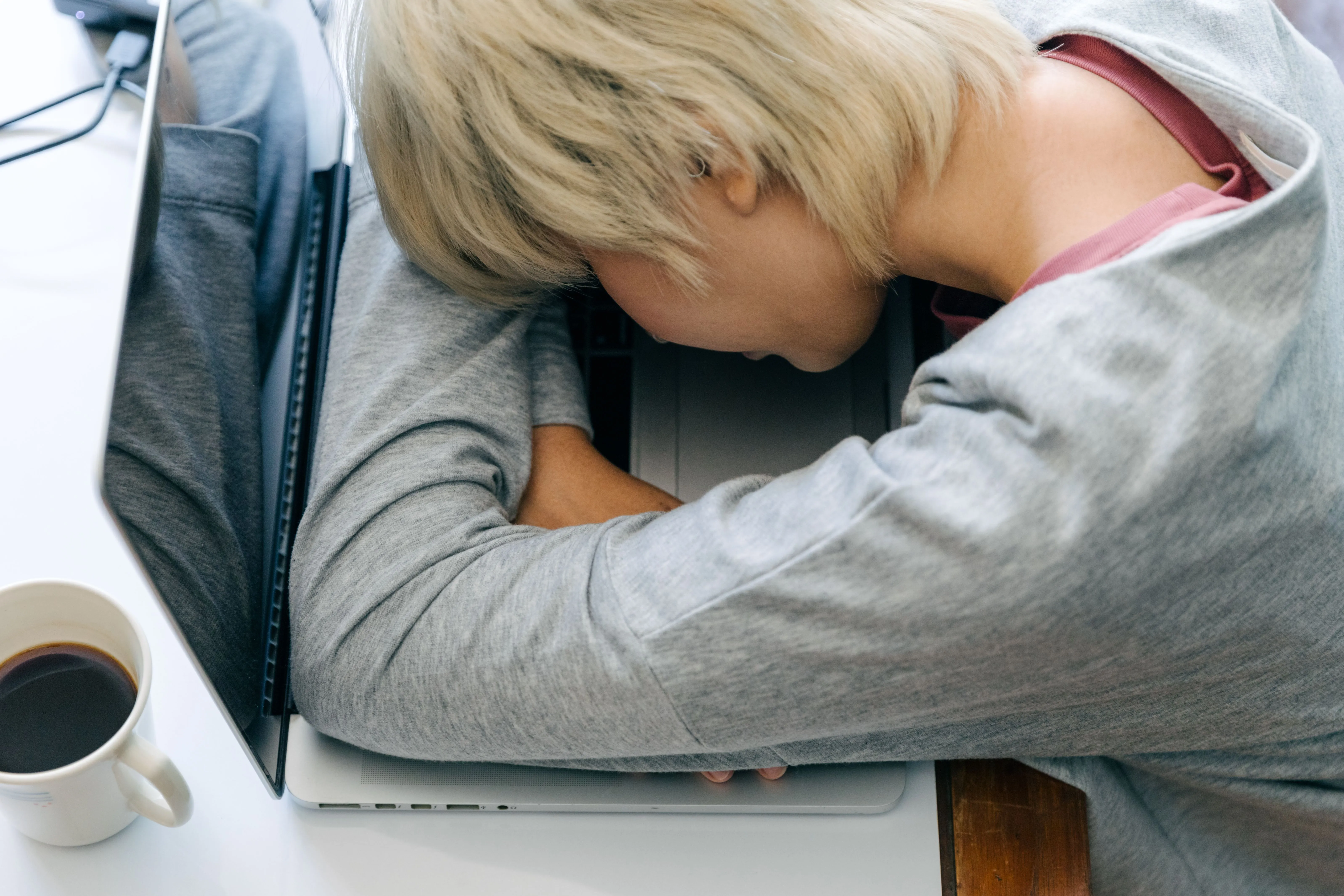
This does not mean there is an ideal wellness routine that prevents everyone from experiencing burnout and other issues, as the study does not go far enough to prove a cause-and-effect relationship. But it does show that taking care of ourselves is not a side priority that can be ignored by students in favor of academics and personal life.
Filipino students and the burden of sleep
Sleep is one of the easiest areas for students to sacrifice in their lives when academic pressures are looming. An extra hour of studying is far more appealing than an extra hour of sleep when a deadline is approaching.
However, research with Filipino medical students has documented a relationship between stress and poor sleep quality. A 2024 study of students at the University of the Philippines College of Medicine found a statistically significant association between stress and poor sleep quality among the students they observed (Ballebas et al., 2024). Another study of 709 Filipino medical students during the COVID-19 pandemic found that 62.34% of students experienced poor sleep quality and 41.18% of students experienced excessive daytime sleepiness (Velasco, Valenzuela, & Jorge, 2023).
These figures, while informative, by no means represent the entirety of Filipino students. Both studies mentioned above were conducted on medical students, who undergo a more rigorous and specialized form of higher education than many others. But these findings do highlight the complex relationship between academic stressors and sleep.
Outside of a Philippine context, research into graduate students has shown a similar connection between stress and burnout, as well as sleep durations and perceived sleep quality. This suggests that sleep can play a major role in understanding graduate students’ relationships with stress and burnout (Allen et al., 2021).
Burnout can take a number of familiar forms
Burnout rarely presents itself in dramatic ways, and can instead manifest as an overwhelming sense of procrastination on tasks that were once relatively simple, or simply finding it difficult to focus when looking over a textbook for the first time in a while.
A student may continue to go through the motions of school life and meet all requirements without seeming to gain any enjoyment or fulfillment from the activities, which is part of why it can be so difficult to spot. And because their recovery is inadequate in the midst of such circumstances, it can exacerbate the problems caused by the stressors in their life, creating another, vicious cycle. This does not necessarily mean that exhaustion and apathy in school equal burnout, and should not be dismissed as such, but it is a phenomenon worth considering in these situations.
There is no one-size-fits-all approach to recovery
There is no single ideal way of going about student recovery, as every individual has their own preferred method based off of their circumstances.
For some, it may be simply getting enough sleep after having lost several hours to completing assignments over the previous few days. For others, it may be spending time with their friends, exercising, taking a break from academics, or any combination of the above. In a 2022 grounded theory study of Filipino university students, participants described a number of different ways of coping with psychological distress, indicating the existence of multiple viable approaches (Serrano & Reyes, 2022).
“Exercise intervention is probably the most effective.”
Tang et al. (2021)

This is an important reminder that advice on well-being and recovery may be difficult to put into practice for students with limited time or resources, who may struggle to meet the requirements of even the most basic morning or evening routines. The key factor in recovery is what helps each student get back to the next day, and it is not always a matter of finding a rigid set of guidelines they must follow.
Sometimes, the environment can benefit from a change
While rest and recovery are certainly important to students, they are not always able to provide the solutions to every problem they face.
If a student is facing an unreasonable workload, an endless stream of deadlines, familial responsibilities, financial concerns, interpersonal issues, or any combination of the above, simply telling them to take a break can only achieve so much. There are times when the best course of action is to change the circumstances of a student, rather than expect them to adjust to a particularly difficult situation.
This is also why student well-being and the pressures they face cannot be a solely individual matter. Schools, families, teachers, and a number of related support networks can all contribute to the approaches they take towards their students, staff, and others.
As previously mentioned, the systematic review and meta-analysis of student burnout interventions found that there were a number of interventions that could be taken to reduce learning-burnout, but that there were also notable differences between them (Tang et al., 2021). These interventions included counseling, exercise, time-management oriented approaches, and a variety of other options.
“This meta-analysis indicated that learning burnout interventions are effective.”
Tang et al. (2021)
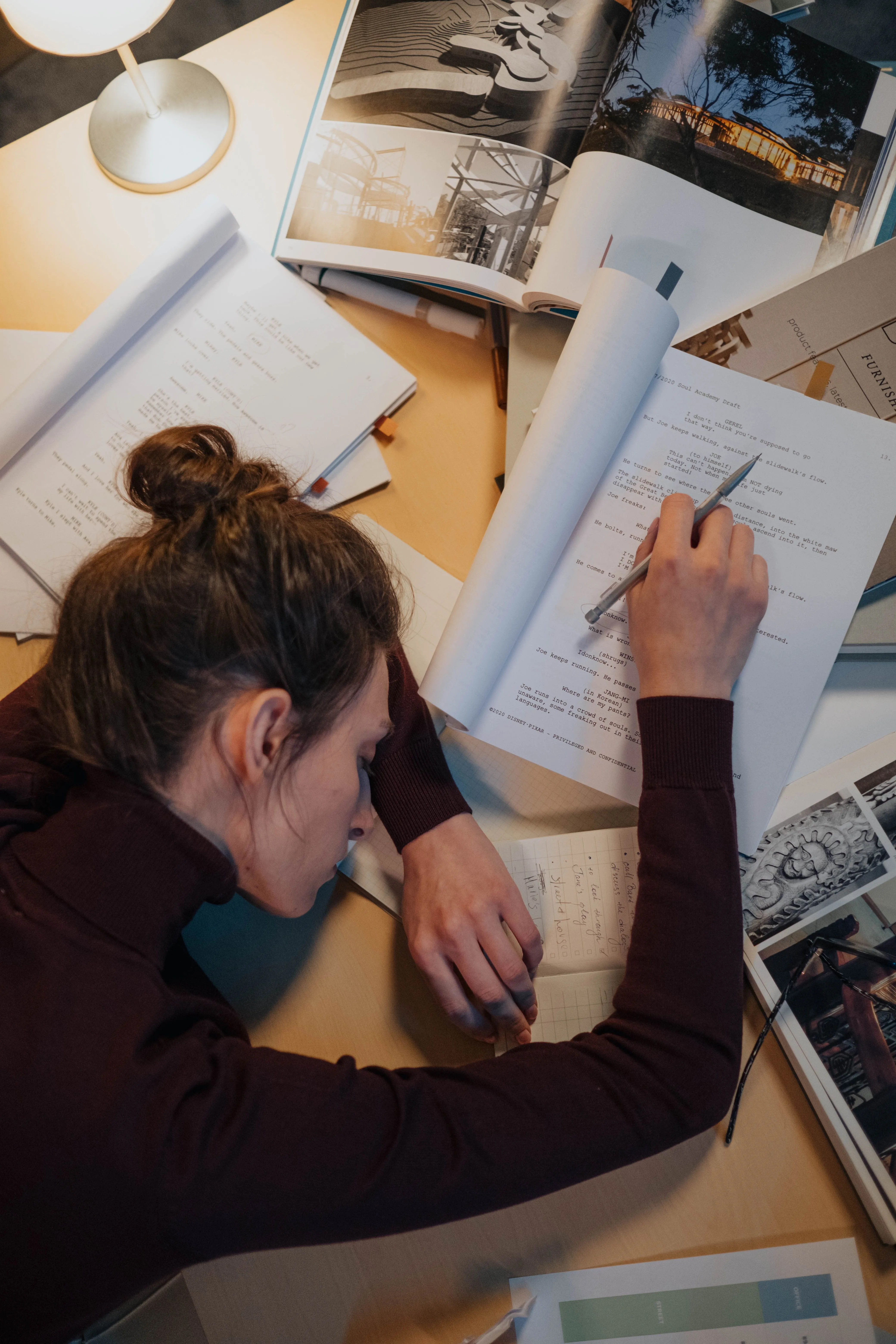
Making recovery a priority
Students’ lives do not always revolve around school, but it can sometimes be hard to remember that. Recovery can sometimes begin with simple steps, such as sleeping rather than staying up to finish off one more late-night assignment, or taking a proper break out of the middle of an important project. It can also mean recognizing when these routines need to be altered, as Filipino university students in Serrano and Reyes’ study described coping as a process rather than a single action (2022). This is part of the reason why the approach to student well-being can be an individual one, and is something very important to consider in general.
For me, the key component is that students should not be made to feel they have to earn the right to rest, or that it is something they must wait for until they have reached an exhausted state. School certainly takes precedence, but the ability to recover is vital to long-term wellness. Having a routine that allows for proper rest doesn’t mean every single hour of the day is spent being productive, and it leaves room for a person to continue without constantly running themselves into the ground.
Sources
Campoamor-Olegario, L., Camitan IV, D. S., & Guinto, M. L. M. (2025). Beyond the pandemic: physical activity and health behaviors as predictors of well-being among Filipino tertiary students. Frontiers in Psychology, 16, 1490437.
Ballebas, T. M., et al. (2024). Cross-sectional Study on the Correlation of Stress and Sleep Quality of Learning Unit III (1st Year) to VII (5th Year) Medical Students from the University of the Philippines College of Medicine. Acta Medica Philippina, 58(14), 41–49.
Velasco, R. I. B., Valenzuela, R. L. G., & Jorge, M. P. P. C. (2023). A Cross-sectional Study on the Sleep Quality and Excessive Daytime Sleepiness of Filipino Medical Students in a State-run University during the Coronavirus Disease (COVID-19) Pandemic. Acta Medica Philippina, 57(8), 59–68.
Allen, H. K., Barrall, A. L., Vincent, K. B., & Arria, A. M. (2021). Stress and Burnout Among Graduate Students: Moderation by Sleep Duration and Quality. International Journal of Behavioral Medicine, 28, 21–28.
Tang, Y., Zhang, X., Yin, Y., et al. (2021). Effect of Interventions on Learning Burnout: A Systematic Review and Meta-Analysis. Frontiers in Psychology, 12, 645662.
Serrano, I. M. A., & Reyes, M. E. S. (2022). Bending not breaking: coping among Filipino University students experiencing psychological distress during the Global Health Crisis. Current Psychology.