Environment
Biodiversity & Environmental Change
Changes to ecosystems and biodiversity can have an effect on both the natural environment and the communities that rely on it.
Biodiversity is more than the number of species
Biodiversity is often described as the number of different life forms in an environment, but it encompasses not just species diversity, but the various types of flora and fauna in an ecosystem, as well as the genetic diversity of those species and the relationships between them and their environment.
The Philippines is one of the world’s megadiverse countries and a biodiversity hotspot, and its various forest, freshwater, mangrove, seagrass, reef, and other ecosystems host numerous endemic species and diverse ecosystems of aquatic and terrestrial life. Its unique geography and the vast number of its islands have contributed to the richness of its biodiversity, but the same conditions have made a number of the country’s species and habitats vulnerable to environmental change (DENR-BMB, Philippine Biodiversity Strategy and Action Plan 2024–2040).
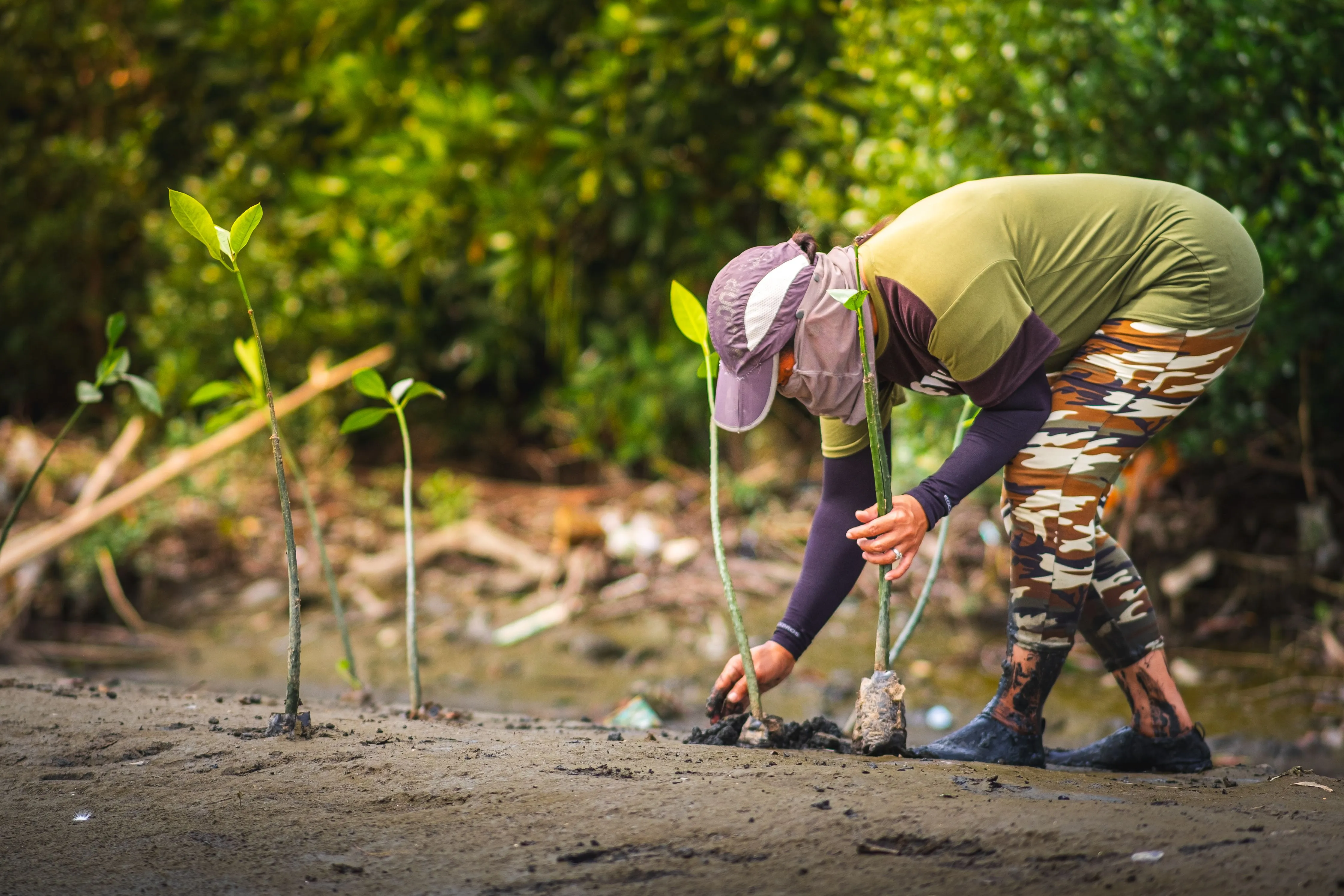
Biodiversity matters not only due to individual species, however, as species are part of ecosystems. A species that inhabits a certain area may have diverse relationships with other species and the environment, and changes to that environment can disrupt those relationships.
Ecosystems are interconnected
An ecosystem is not a collection of individual species; it is a whole that involves flora, various types of fauna, microorganisms, water, sediment, and the environment, and the interactions between them.
A mangrove forest can provide habitat for fish and other wildlife and act as a barrier against coastal erosion, while seagrass meadows can provide breeding grounds for aquatic species, and coral reefs can provide habitat for diverse reef communities while acting as barriers against wave action and coastal erosion, while also providing food and habitat for marine life. Healthy ecosystems can also provide resources and services for humans (DENR-BMB, Philippine Biodiversity Strategy and Action Plan 2024–2040).
Research into the biodiversity of mangroves in the Philippines demonstrates the potential diversity of life in the Philippines’ various ecosystems, such as the 89 fish species from 44 families reportedly detected by environmental DNA (eDNA) analysis in the coastal mangroves of Oriental Mindoro and Sorsogon in 2024. Research into fish biodiversity in mangroves has also noted differences between communities in different estuaries and seascapes, which can indicate different levels and types of biodiversity (Naputo et al., 2024).
That implies that an environmental change does not simply affect individual species, but can have an impact on whole ecosystems, and disrupt the relationships between species.
The loss and fragmentation of habitat threatens biodiversity
One of the major reasons for biodiversity loss is the loss and fragmentation of habitats. The destruction of forests, wetlands, mangroves, coral reefs, and other ecosystems reduces the available resources and areas suitable for the survival of the species that live in them.
The country’s current Biodiversity Strategy and Action Plan notes habitat loss and fragmentation as one of the major threats to the country’s biodiversity, along with overexploitation, climate change, invasive species, pollution, and institutional and policy issues (DENR-BMB, Philippine Biodiversity Strategy and Action Plan 2024–2040).
Fragmentation can be especially harmful to species that require large habitats or that move across large areas. A forest that has been fragmented by urban development or logging may still appear to be intact, but its value and impact on the local environment may have been diminished.
Biodiversity conservation, then, is not simply a matter of protecting individual species, but of conserving entire ecosystems and ensuring that the habitats of individual species are not lost or fragmented.
Climate change can affect ecosystems
In addition to direct anthropogenic causes such as pollution, overexploitation of resources, and conversion of land cover, climate change can also have an impact on biodiversity. Rising temperatures, changes in precipitation patterns, rising sea levels, increased risk of extreme weather phenomena, and other effects of climate change can increase the risk of population decline or local extinction for some species.
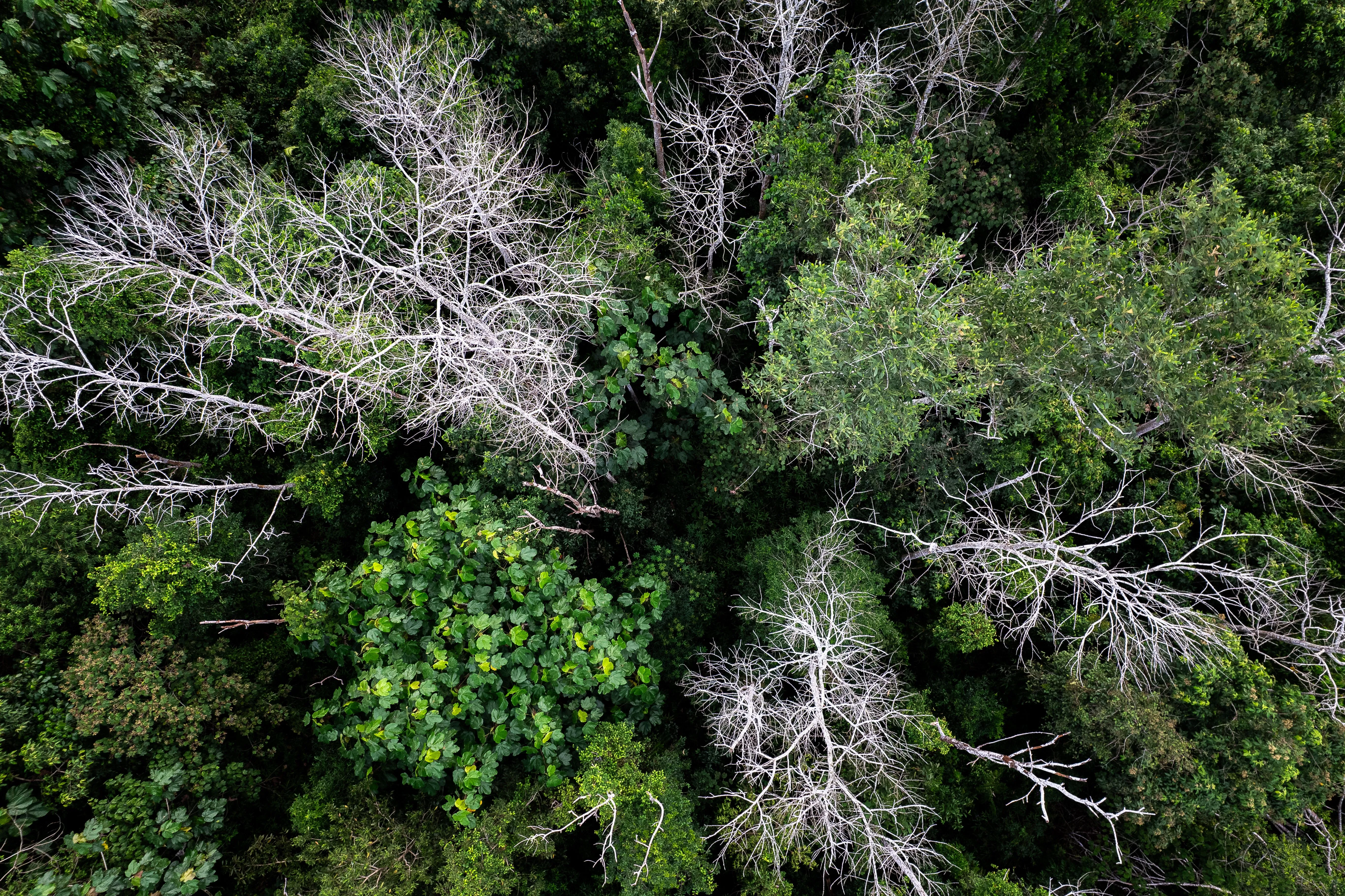
Coral reefs, for instance, have been experiencing a number of threats both within and outside of the Philippines, such as overfishing, destructive fishing practices, siltation, and pollution, which combine with climate change and rising sea temperatures to contribute to the decline of Philippine coral reefs. When an environmental stressor such as climate change pushes an ecosystem beyond a certain threshold, it can cause dramatic changes to that ecosystem (Licuanan et al., 2019).
“Comparisons of findings with those of previous assessments show the continued decline in coral cover over a larger time scale, with the loss of about a third of the reef corals over the last decade.”
Licuanan, Robles & Reyes (2019)
“Philippine coral reefs have been on the decline since the 1970s, and this degradation has posed a risk to biodiversity, food security, and livelihood in the country.”
Panga et al. (2021)
Species with low adaptive capacity, restricted ranges, or limited ability to move may be particularly vulnerable to environmental change.
Climate change, furthermore, can interact with other causes of biodiversity loss and environmental degradation rather than acting independently. Degraded ecosystems such as a reef affected by pollution or overfishing may be more susceptible to the effects of climate change, and similarly, the loss of habitat or fragmentation can force species to seek new habitats instead of adapting to the new conditions.
The ecosystems of the Philippines affect the people who depend on them
The impact of biodiversity loss is not limited to the flora and fauna that constitute the Philippines’ diverse ecosystems – it can have an effect on communities and populations as well. Coastal communities that rely on fisheries as a food source and means of livelihood can be severely impacted by the degradation of fisheries and of coastal and estuarine ecosystems.
Research on fisheries indicates the complex relationships involved in fisheries, both within the local environment as well as with surrounding communities and the wider economy. Recent assessments of fisheries in the Philippines note that the degradation of coastal environments and fisheries habitats is a concern in the Philippines and is linked to overexploitation, destructive fishing practices, coastal development, pollution, and climate change, with the impacts of those factors affecting both the fisheries and the communities reliant on them (Cascading Vulnerability of Fish Stocks, 2025).
Biodiversity conservation, therefore, is not just an abstract ideal or a concern only with protecting wildlife and the environment – it is a matter of communities and populations that rely on the environment for food and livelihood.
Not all species are impacted in the same way
Environmental and human-made changes to an ecosystem do not affect every component equally – some species may be very resilient to a particular disturbance while others may disappear entirely.
Some species may have high adaptive capacity and fill an ecological niche even after an environmental disturbance, while others may be unable to do so, which can lead to drastic changes in the composition of an ecosystem. The same applies to other human activities and to climate change. While some species may be able to adapt to warmer temperatures, others might be unable to survive.
Philippine mangrove research highlights this issue, as a 2024 literature review on knowledge gaps and research priorities for the country’s mangroves notes the disproportionate distribution of research between species as well as the lack of data for certain aspects of the biology and ecology of mangroves (Agduma et al., 2024). As such, conservation and management efforts need to account for species-specific variations and prioritize threatened species and those with low adaptive capacity and range.
That is why research into the country’s environment and biodiversity is important – in order to determine what changes are taking place, the effect those changes have had, the extent of those changes, and how best to address the issue.
Biodiversity conservation is not solely a matter of protected areas
Protected areas are an important aspect of conservation, but they are not a complete solution – and the situation of the country’s marine and coastal ecosystems underscores that protected areas need to be part of a broader strategy for conservation. The country has various terrestrial and marine protected areas, including marine protected areas designed to conserve and protect fisheries and coral reefs, but research into the status and trends of Philippine marine protected areas indicates that these sites are not always sufficient on their own to protect reefs and fisheries from anthropogenic and environmental pressures (Licuanan et al., 2019; Atrigenio et al., 2021).
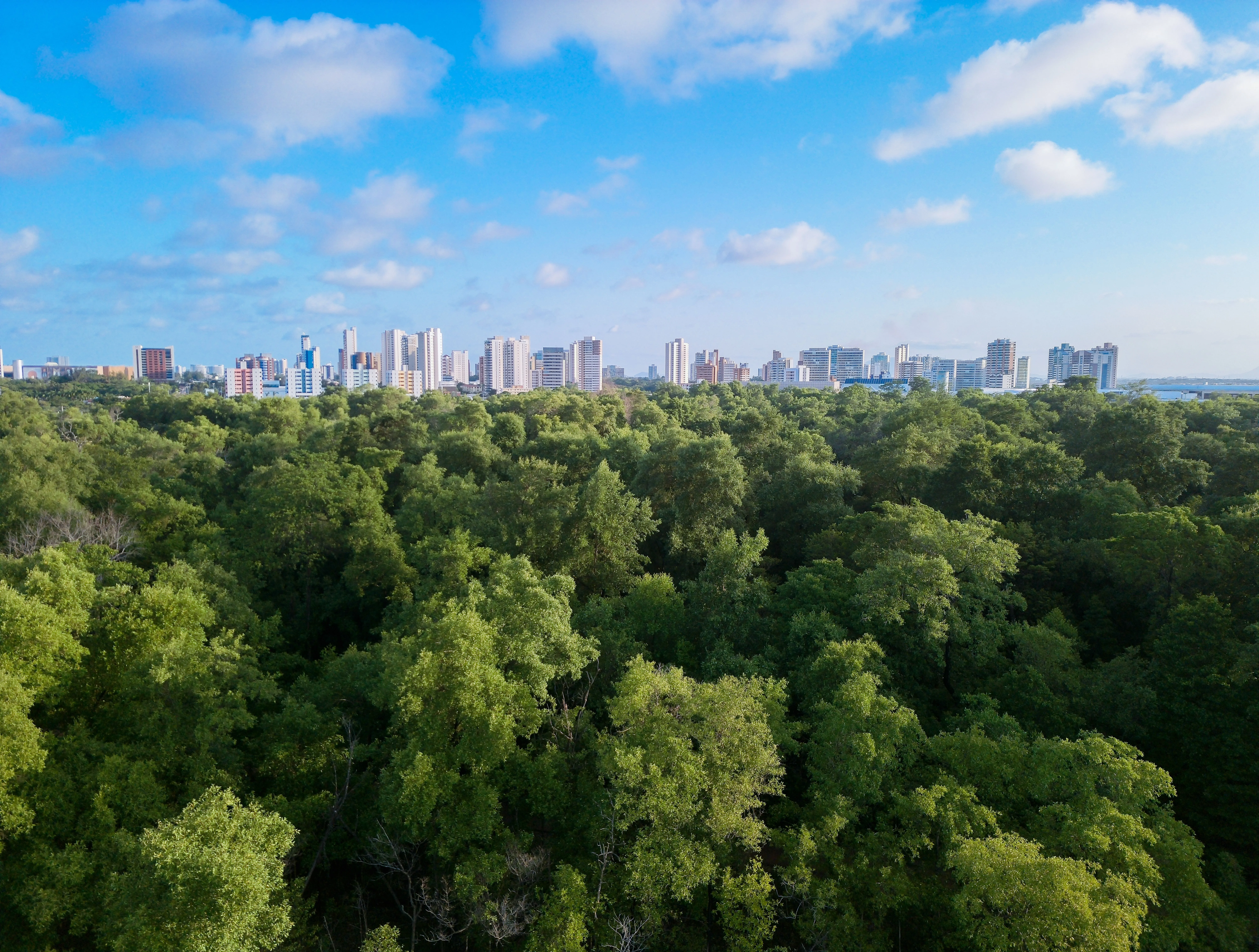
Conservation, then, is not simply a matter of designating an area as protected – it requires management, protection, monitoring, enforcement, and community involvement, as well as addressing other sources of pressure on an ecosystem, such as pollution and climate change.
The Biodiversity Strategy and Action Plan 2024–2040 similarly emphasizes the importance of protecting and conserving the country’s biodiversity through a number of strategies and measures – from general conservation to wildlife and biodiversity-specific actions, as well as partnerships, implementation, and other matters (DENR-BMB, Philippine Biodiversity Strategy and Action Plan 2024–2040).
In a study of 28 Philippine marine protected areas (MPAs), researchers found no consistent differences in the examined benthic indicators between protected and adjacent unprotected reefs, suggesting that protected status alone does not necessarily translate into better reef conditions in the areas they examined (Atrigenio et al., 2021).
“No consistent differences were found between reefs inside and outside MPAs through all the benthic categories and reef health indices considered that are indicative of protection effects or recovery within MPAs.”
Panga et al. (2021)
Communities are key to conservation
Communities are intimately familiar with their local environment and can be some of the most aware and invested stakeholders in conservation.
As such, it is important to involve them in conservation rather than relying only on state and private initiatives. Community conservation can take many forms, from community-based programs and initiatives to addressing specific issues such as overfishing and pollution. Community efforts can also focus on education and outreach, ensuring that not only do local populations participate in conservation, but are aware of the importance of the local environment and its future.
Communities can also work with local governments to enforce environmental regulations, ensure proper waste management, prevent illegal logging or mining, and similar actions, and conservation can also involve partnerships between communities, the government, private entities, and environmental NGOs.
Students also have a role to play – and understanding communities’ roles and investments in conservation can aid in engaging students in conservation. Understanding how an ecosystem relates to a nearby community can make conservation less abstract and more tangible, as the degradation of the environment can have very real repercussions on the community.
Restoration can help, but preservation is still important
Restoration can allow for the rehabilitation of ecosystems that have been degraded, damaged, or destroyed, helping to restore many of the services and resources those ecosystems provided before. Restored mangrove forests can help reduce coastal erosion, while replanting trees can prevent soil erosion and preserve water quality. However, restoration is not always a viable option or a complete solution.
Research into the status and management of mangroves in the Philippines highlights a number of considerations, from the need for appropriate restoration practices, improved monitoring, and better inter-agency coordination. Simply restoring an area without due consideration for the local environment and ecology can lead to poor results. Ecological restoration, then, should be considered in conjunction with preservation and conservation, and proper research and monitoring are crucial (Agduma et al., 2024).
Protecting intact natural ecosystems can avoid some of the losses and uncertainties associated with restoring degraded ecosystems, while restoration can help rehabilitate ecosystems that have already been damaged.
What can students learn from biodiversity?
Biodiversity is an abstract concept, one that is often presented in lists of species or statistics, but students can benefit from understanding biodiversity and its implications.
A vacant lot can provide shelter and food for insects and birds, while a mangrove forest can provide breeding grounds for fish, shellfish, and crustaceans and protect shorelines from erosion. A reef might appear to be a collection of colorful rock formations, but in reality, it hosts a complex ecosystem made up of many interacting species.
Understanding the value of a local environment can help students engage with the environment rather than seeing it as something separate from themselves or their community. Students can begin learning about the local environment and how it affects and is affected by human actions – and the importance of preservation. They can start by engaging with the local environment and being aware of the changes taking place.
Biodiversity conservation and restoration protect relationships
Biodiversity is not an abstract concept or a list of species and numbers – it is a network of relationships between species and between species and the environment. Any disruption to those connections and interactions has an impact, ranging from the gradual loss of resources to the rapid extinction of species. The Philippines’ biodiversity has been impacted by a number of different environmental and human factors, namely the direct and indirect loss of natural habitats and the degradation and destruction of the ecosystems those species rely on.
Habitat loss and degradation takes a toll on biodiversity in the long term, while fragmentation can isolate species and limit their ability to reproduce or adapt to changing conditions, such as climate change. At the same time, the different causes of biodiversity loss – fragmentation, pollution, overexploitation, climate change – can combine and intensify each other’s effects, and the loss of one species can have an effect on other species in an ecosystem.
For the Philippines, biodiversity conservation is not just an academic pursuit or governmental responsibility – it has very real-world impacts on the country’s environment and communities. Ecosystems need to be conserved, studied, and understood in order to address the threats they face, but communities and the government also have to enforce protective measures and work towards long-term planning and policies that ensure sustainability. For students, understanding and engaging with local environments is an opportunity to contribute to that effort.
Sources
Department of Environment and Natural Resources – Biodiversity Management Bureau. Philippine Biodiversity Strategy and Action Plan 2024–2040.
Agduma, A. R., et al. Knowledge shortfalls and research priorities for Philippine mangroves in the fast-changing world. Ocean & Coastal Management. 2024.
Naputo, C. F. P., et al. Application of eDNA metabarcoding in the assessment of fish biodiversity in Philippine mangroves: Challenges and opportunities. Regional Studies in Marine Science. 2024.
Licuanan, W. Y., Robles, R., & Reyes, M. Status and recent trends in coral reefs of the Philippines. Marine Pollution Bulletin. 2019.
Atrigenio, M. P., et al. Through the Boundaries: Environmental Factors Affecting Reef Benthic Cover in Marine Protected Areas in the Philippines. Frontiers in Marine Science. 2021.
Spatial variation in the benthic community structure of a coral reef system in the central Philippines. Regional Studies in Marine Science. 2023.
Status, limitations, and challenges of blue carbon studies in the Philippines: A bibliographic analysis. Regional Studies in Marine Science. 2023.
Cascading vulnerability of fish stocks, processing operations, and dependent communities to climate change in the Philippines. Ocean & Coastal Management. 2025.